
 ENTERTAINMENT
Stephen Colbert Wins Anti-Censorship Award as 'Late Show' Cancelation Becomes Bigger Than Late Night

Stephen Colbert received an anti-censorship award following the cancelation of ‘The Late Show.’

Aug. 4 2026, Published 5:33 a.m. ET


Stephen Colbert’s next act after The Late Show is beginning with a free-speech honor.
Colbert has received an anti-censorship award from the Before Columbus Foundation, the nonprofit founded by author, playwright and publisher Ishmael Reed. The honor was announced Wednesday as part of the 47th annual American Book Awards, which recognize work across a broad range of American literature and culture.
The award arrives after CBS ended The Late Show in May, cutting off a major platform for one of President Donald Trump’s most visible late-night critics. The network cited economic reasons for the decision, though Colbert and others have questioned that explanation.
A New Frame for Stephen Colbert

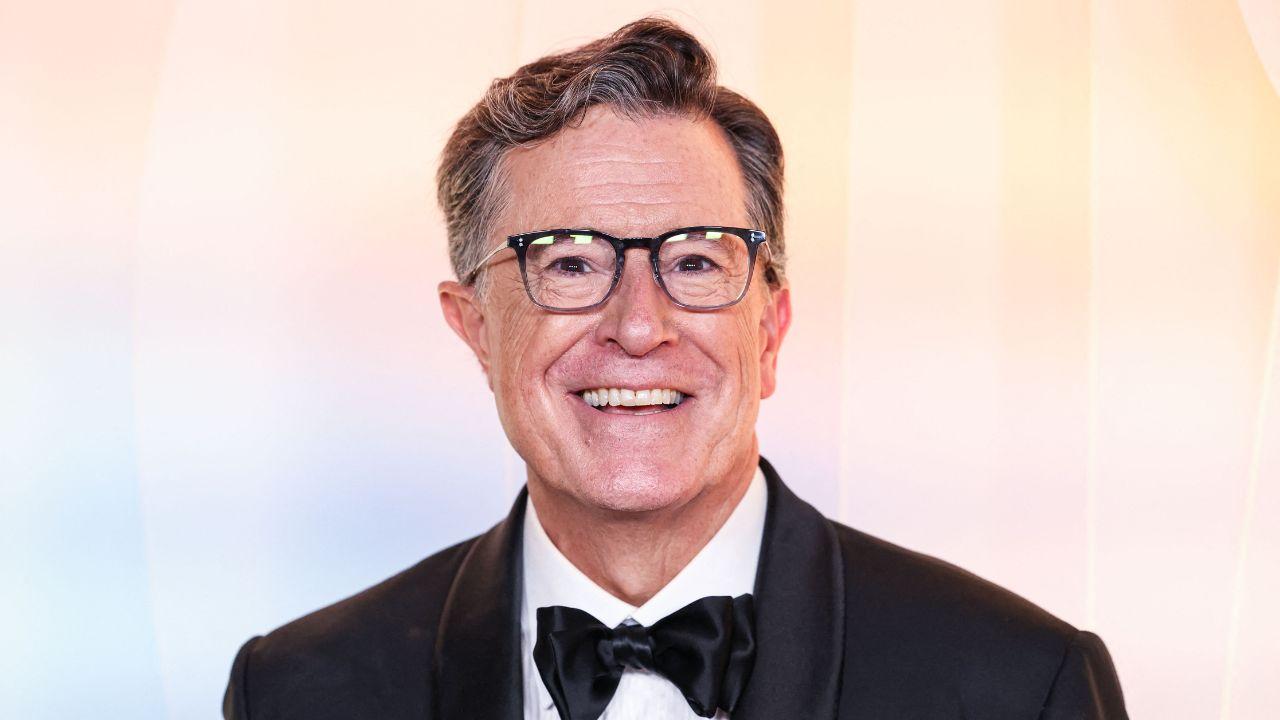
An expert said Stephen Colbert's recognition is a reputational win that reframed the free-speech issue.
“Colbert receiving a major anti-censorship award in the middle of his clashes with the administration is a reputational win that reframes the whole story,” said Amore Philip, founder of Apples and Oranges Public Relations.
“It converts a business and political fight into a free-speech narrative,” she added, “and in that frame he is no longer a host losing a slot, he is a principled figure standing on something.”
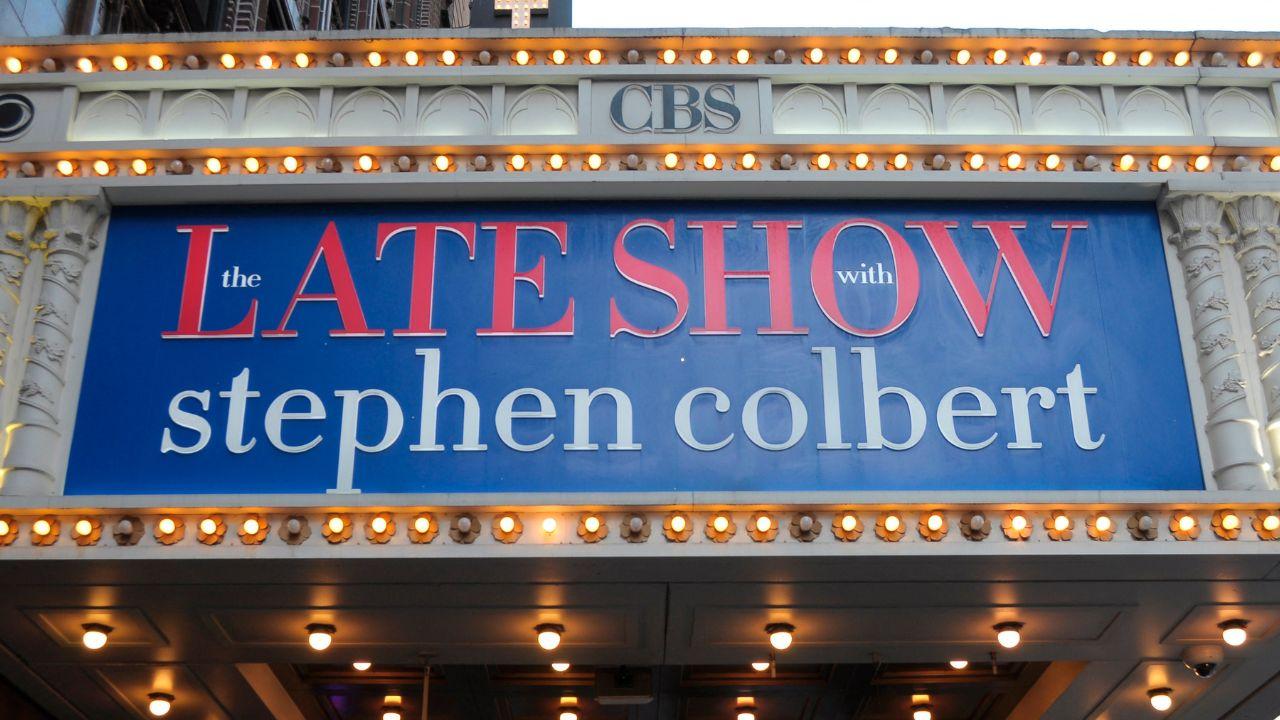
CBS faced scrutiny over its decision to end ‘The Late Show.’
Colbert hosted The Late Show for 11 years, with his tenure defined in part by his long-running feud with Trump. His cancelation drew scrutiny because it removed a high-profile broadcast venue for political satire at a time when late-night comedy remains closely tied to national politics.
“When you are in a contested narrative, an outside endorsement of your values is worth more than anything you could say about yourself,” Philip said.
- Bruce Springsteen Cooks Donald Trump as He Defends Stephen Colbert Ahead of 'Late Show' Finale
- Stephen Colbert Slams CBS for Canning Interview With Donald Trump Critic James Talarico
- Bill Maher's Feud With Donald Trump Explodes as Kennedy Center Controversy Turns Comedy Honor Into Political Flashpoint
Want OK! each day? Sign up here!
Late Night as a Free-Speech Test

The Before Columbus Foundation honored the former late-night host during the American Book Awards.
“Late-night hosts are becoming free-speech bellwethers because their political satire increasingly tests whether their media companies will defend them,” said attorney and law instructor Danny Karon.
“The challenge for the media companies is commercial more than political,” Karon explained. “If they defend their host, they risk regulatory consequences; if they surrender to regulators, viewers could perceive them as weak, which could affect ratings.”
The Before Columbus Foundation also honored Books & Books founder Mitchell Kaplan, who shares the anti-censorship prize with Colbert. Other American Book Awards recipients include Nicholas Boggs’ Baldwin, John Fugelsang’s Separation of Church and Hate and Adela Najarro’s poetry collection Variations in Blue.
Where Point of View Matters
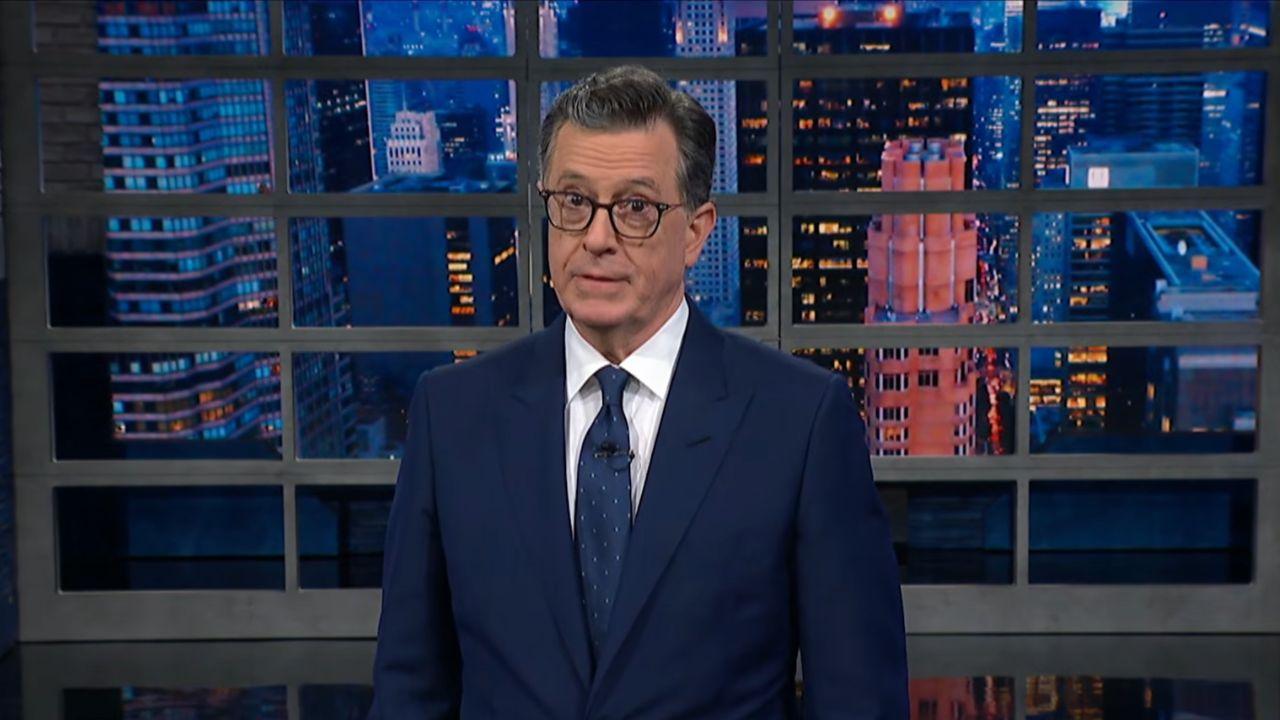
Experts said political satire faced increasing pressure across television.
“For late night as a category, this signals that the genre's value is shifting from ratings to point of view,” Philip explained. “Hosts who stand for something clear and consistent build durable brands that outlast any single network decision.”
Karon said regulatory anxiety may push some networks away from controversial comedy entirely.
“Media companies’ fear of regulators will likely translate into anticipatory measures,” he said, “such as avoiding political subjects and comedy, thus perhaps sending controversial content to streaming platforms or podcasts that are not as heavily regulated.”