
 NEWS
NEWSTaylor Swift 'Life of a Showgirl’ Lawsuit Explained: What’s Really at Stake in Trademark Fight Over Pop Star's Album Name

Taylor Swift faces legal action over her ‘Showgirl’ branding.

April 3 2026, Published 9:22 a.m. ET


Taylor Swift’s latest era is facing legal scrutiny as a Las Vegas performer takes the pop superstar to court over her “showgirl” branding.
The lawsuit, filed by performer and columnist Maren Wade, claims Swift’s album The Life of a Showgirl infringes on her long-running brand, “Confessions of a Showgirl,” raising questions about ownership, originality and the limits of common creative terms.
The Lawsuit at the Center of the Drama

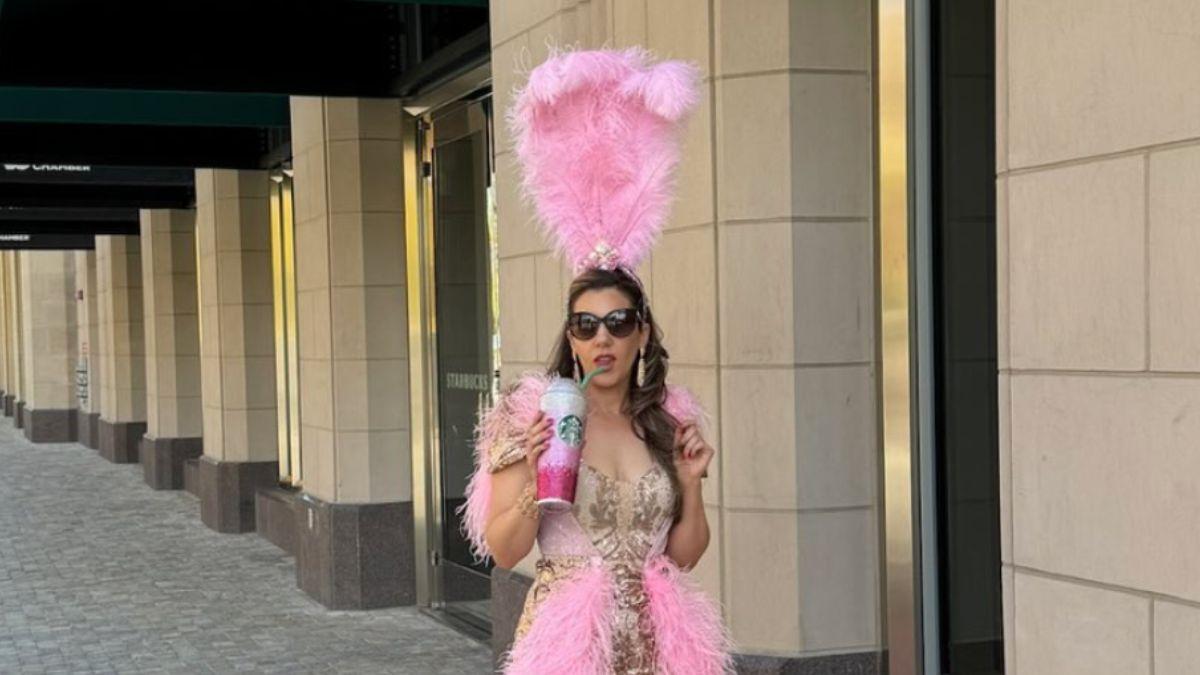
A performer claimed the title closely resembled her trademark.
Wade, whose “Confessions of a Showgirl” brand dates back to a 2014 Las Vegas Weekly column and has since expanded into a podcast and live cabaret show, argues that Swift’s branding is too similar.
“Both share the same structure, the same dominant phrase, and the same overall commercial impression,” the complaint states.
Her attorney, Jaymie Parkkinen, said in a statement that Wade “spent more than a decade building CONFESSIONS OF A SHOWGIRL. She registered it. She earned it.”
The lawsuit also claims the U.S. Patent and Trademark Office flagged Swift’s title as “confusingly similar” to an existing trademark, but that Swift’s team “continued using it anyway.”
Wade is seeking to block Swift from using the title and is asking for profits tied to the branding, along with additional damages.
Why 'Showgirl' May Be Hard to Own

Legal experts said common terms are difficult to monopolize.
“SHOWGIRL-related titles are common. When a term is that common, consumers are less likely to assume a connection,” explained Purvi Patel Albers, a trademark partner at Haynes Boone who is not involved in the case. “Similar words don’t automatically mean similar sources, especially in a market where audiences constantly navigate overlapping titles for books, albums, movies and shows,” she continued.
“Taylor Swift is known as an exceptionally sophisticated brand owner. Her team secured permission from George Michael’s estate to use ‘Father Figure’ on the album — they would not take the adoption of THE LIFE OF SHOWGIRL lightly and likely did a deep dive to determine whether the title was available,” she said. “After all, she did self-identify as a ‘pathological people pleaser’ in ‘You’re losing me.’”
Want OK! each day? Sign up here!
The Legal Test: Likelihood of Confusion
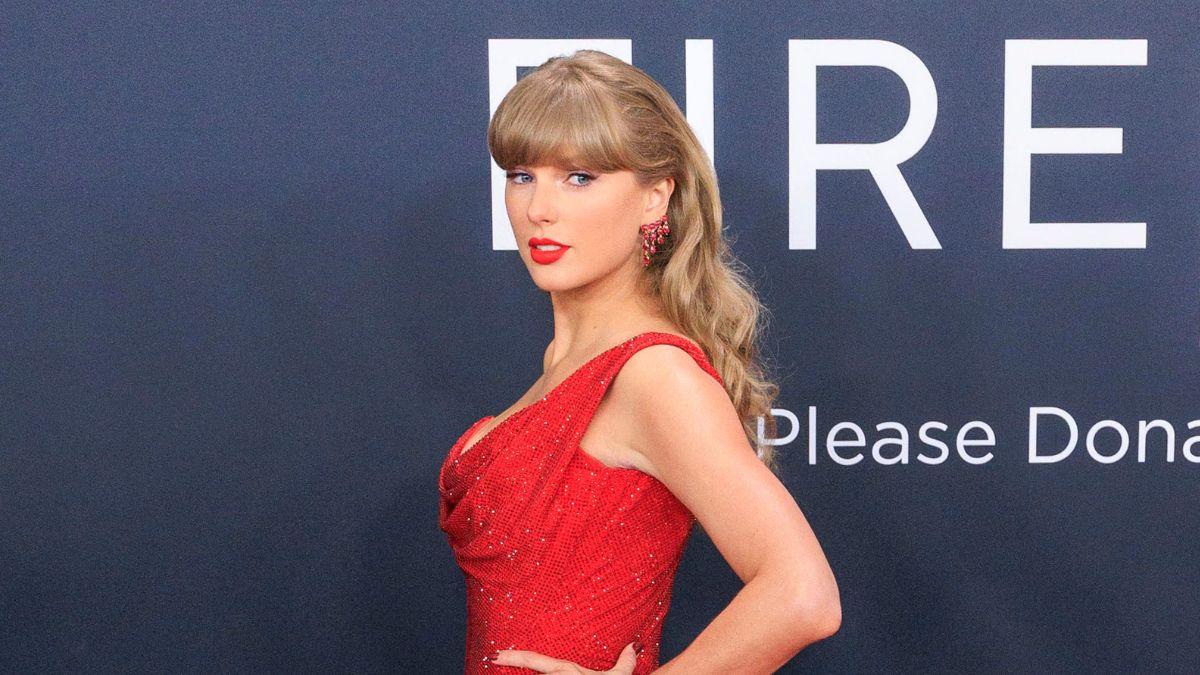
Likelihood of confusion should be proved under the basis of trademark law.
“At the center of this is likelihood of confusion, which is the core test in trademark law,” said attorney and media analyst Kaivan Shroff, who is not involved in the case. “The court is asking whether consumers would reasonably believe Swift’s ‘Showgirl’ branding is affiliated with or endorsed by the existing performer.”
Courts consider multiple factors, including similarities between the marks, overlap in audiences, and evidence of actual confusion.
“Titles and common terms like ‘Showgirl’ are harder to lock down unless they’ve acquired distinctiveness,” Shroff added. “So unless the plaintiff can show the term points specifically to her in the marketplace, the more likely outcomes are coexistence, limited restrictions, or a settlement rather than a broader injunction.”
A High-Profile Clash With Broader Implications
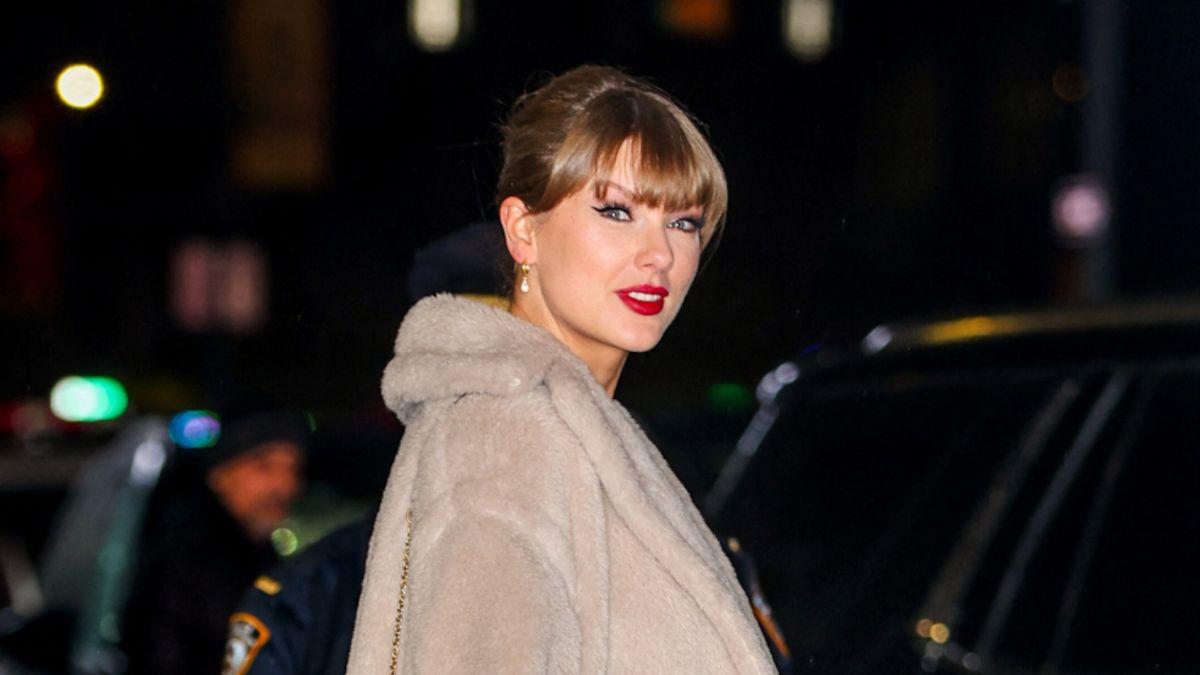
The lawsuit also increased attention around the smaller performer’s brand.
While the lawsuit pits a global superstar against a Las Vegas performer, experts suggest the outcome may ultimately benefit Wade whether she wins or not.
“Publicity from a lawsuit can sometimes have more impact than the legal claims themselves,” Purvi said. “It can put a smaller show on the map.”