
 NEWS
NEWSWhen Does Ectopic Pregnancy Pain Start? Early Signs You Shouldn’t Ignore


Jan. 20 2026, Published 1:36 a.m. ET


When women are going through abnormal cramping, sharp pains in the pelvis/spotting during pregnancy, most women would panic and ask themselves when ectopic pregnancy pain starts. Ectopic pregnancy pain is a medical emergency, unlike the normal pregnancy pain, which may cause damage to your health and future childbearing life, and thus, you should be able to know the symptoms at an early age. The ability to know when the pain will begin, where it will be located and when to call an ambulance will save lives.
When Does Ectopic Pregnancy Pain Start
One of the most important questions that should be questioned at the initial phase of pregnancy is the onset of pain because of ectopic pregnancy, as this is a life-threatening and risky illness. The cases of ectopic pregnancy are associated with the implantation of the fertilized egg in any place other than the uterus. In the majority of cases, the fertilized egg implants in the fallopian tube, where growth occurs in an unsafe manner.
Since the tube is small and it does not widen as the uterus does, the growing pregnancy may result in excessive pressure, internal bleeding, and painful suffering unless it is done in a timely manner.
The pain normally starts between 4 and 8 weeks of pregnancy, and it is normally shortly after a missed period. Other women complain of slight discomfort in the near future, and others complain of sharpness and intensity of the pain as the pregnancy advances. This necessitates early diagnosis so as to avoid complications and avert future infertility.

Early Signs and Symptoms of Ectopic Pregnancy Pain
The initial symptoms may be mild and may be confused with the normal discomfort an unborn baby causes to the mother, like mild cramping or hormonal fluctuations. Nevertheless, the pain of ectopic pregnancy is normally different in location and intensity and is likely to increase with time.
Sudden or stabbing pain in one side of the lower abdomen, which is brought about by the fertilized egg being implanted in one of the fallopian tubes rather than the uterus, is one of the initial warning signs. The second symptom is constant pelvic pain that does not abate with rest and usually lasts most of the time, and gets increasingly uncomfortable.
Spotting or mild bleeding can also take place in the vagina, and it may be lighter or darker than a usual period, and it comes and goes in a few days. Other women also complain of shoulder aches, dizziness, or fainting when internal bleeding prevents the diaphragm from functioning properly or affects blood pressure.
Early warning may be pain when passing urine or a bowel movement, whereby swelling in the pelvic region may be in contact with the surrounding organs. General pregnancy discomfort is temporarily relieved in many women through supportive items such as a Momcozy belly band, although one should not forget that, although not being able to treat ectopic pregnancy pain, this should not be used to postpone consultation with a doctor.
How Ectopic Pregnancy Pain Feels Over Time
Ectopic pregnancy must cause pain, which can gradually accumulate with the advancement of the pregnancy and the increasing pressure of the same nature put on the close fallopian tube and other tissues. A mere discomfort may even result in severe, life-threatening pain when left unattended.
Early Stage (4–6 weeks)
The pain experienced during the initial weeks can be mild and therefore easy to ignore. You may notice:
- Occasional cramps that come and go.
- Abdominal lower pain, pressure, or distension, which some women find relief from using supportive items like pregnancy belly bands.
- The presence of some pulling, pressure or fullness on one side of the lower abdomen.
The symptoms at this stage can be mistaken for implantation pains or normal early pregnancy cramps.
Progressive Stage (6–8 weeks)
Rising pressure in the fallopian tube results in more noticeable symptoms, such as when the pregnancy continues to develop.
- One side of the lower belly or pelvis stabbing pain.
- Pain radiates to the lower back, hip or thigh.
- Heavy or light vaginal bleeding.
- Abdominal swelling, pelvic fullness, and internal pressure.
At this stage, pain is more persistent and not intermittent.
Advanced Stage (After 8 weeks)
The later symptoms may be devastating and life-threatening, and they include:
- A sharp, severe pain in the abdomen or pelvis.
- Pain in the shoulder tip due to internal bleeding.
- Shakiness, dizziness, or fainting.
- Other signs may also be used to identify internal bleeding, including a fast heartbeat or cold, clammy skin.
The pain can be acute or sharp and shock-accompanied in case of the rupture of the fallopian tube. This is a health emergency, and it must be addressed.
Want OK! each day? Sign up here!
Difference Between Normal Pregnancy Pain and Ectopic Pain
Normal pregnancy might also lead to cramping and pain as the uterus increases in size and the ligaments become stretched. However, ectopic pain is not equal, and it is more threatening, as it has some specific characteristics.
| Normal Pregnancy Pain | Ectopic Pregnancy Pain |
|---|---|
| Mild to moderate | Sharp, stabbing, severe |
| Feels like period cramps. | Feels sudden and localized |
| Usually centered | Often one-sided |
| Improves with rest | Worsens over time |
| No dizziness or shoulder pain | Dizziness, fainting, shoulder pain |
One-sided pain with bleeding must be considered as urgent as possible, even in cases when it appears insignificant.
When Ectopic Pregnancy Pain Becomes an Emergency
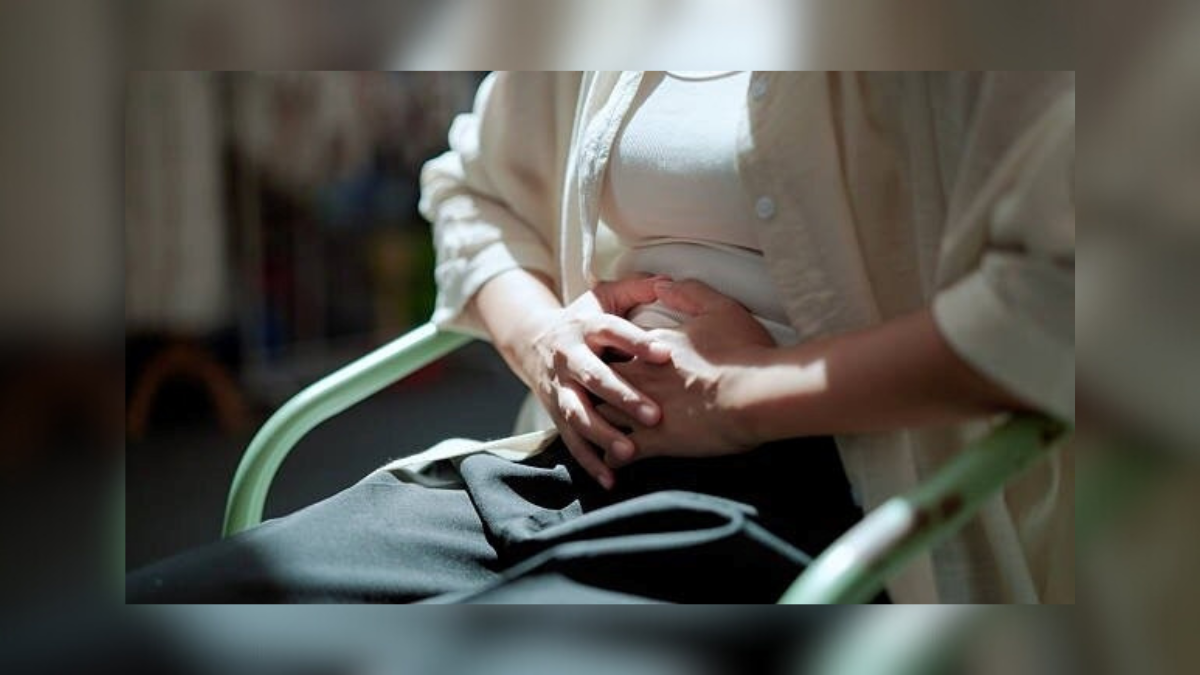
Seek emergency medical care immediately if you experience:
- Sudden severe abdominal or pelvic pain
- Shoulder pain
- Fainting or near-fainting
- Heavy vaginal bleeding
- Rapid heartbeat or weakness
An ectopic pregnancy that has ruptured can lead to severe internal bleeding, and this may prove deadly unless immediate treatment is administered.
What to Do If Ectopic Pregnancy Pain Starts
If you suspect ectopic pregnancy pain:
- Get medical consultation. Do not go until the symptoms are more severe.
- Never use painkillers, which can be used to suppress symptoms. This can delay diagnosis.
- Emergency services should be called in case the pain is severe.
- Ultrasound and blood follow-up. These assist in affirming the diagnosis.
- Discuss treatment with your doctor. It is treated either through surgery or medications (methotrexate), which depends on its severity.
Early intervention is quite useful in reducing complications and preserving reproductive health.
Conclusion
Ectopic pregnancy pain often starts between 4 and 8 weeks of pregnancy and may begin as mild pelvic discomfort before progressing into sharp, one-sided pain, bleeding, and dangerous internal symptoms. Because the condition can escalate quickly, recognizing early warning signs and seeking immediate medical care is critical. Any persistent one-sided pain, spotting, dizziness, or shoulder pain in early pregnancy should be treated as a medical emergency. Acting quickly not only protects your life—it also helps safeguard your future fertility.