
 NEWS
NEWSYouTube Bans 'Looksmaxxer' Clavicular Following Influencer's Suspected Overdose on Livestream

YouTube banned Clavicular over policy violations.

April 28 2026, Published 8:43 p.m. ET


A controversial corner of the internet just lost one of its most visible figures. YouTube has terminated the channels of “looksmaxxing” influencer Clavicular, citing “severe or repeated violations” tied to content that facilitated access to websites offering illegal or regulated substances.

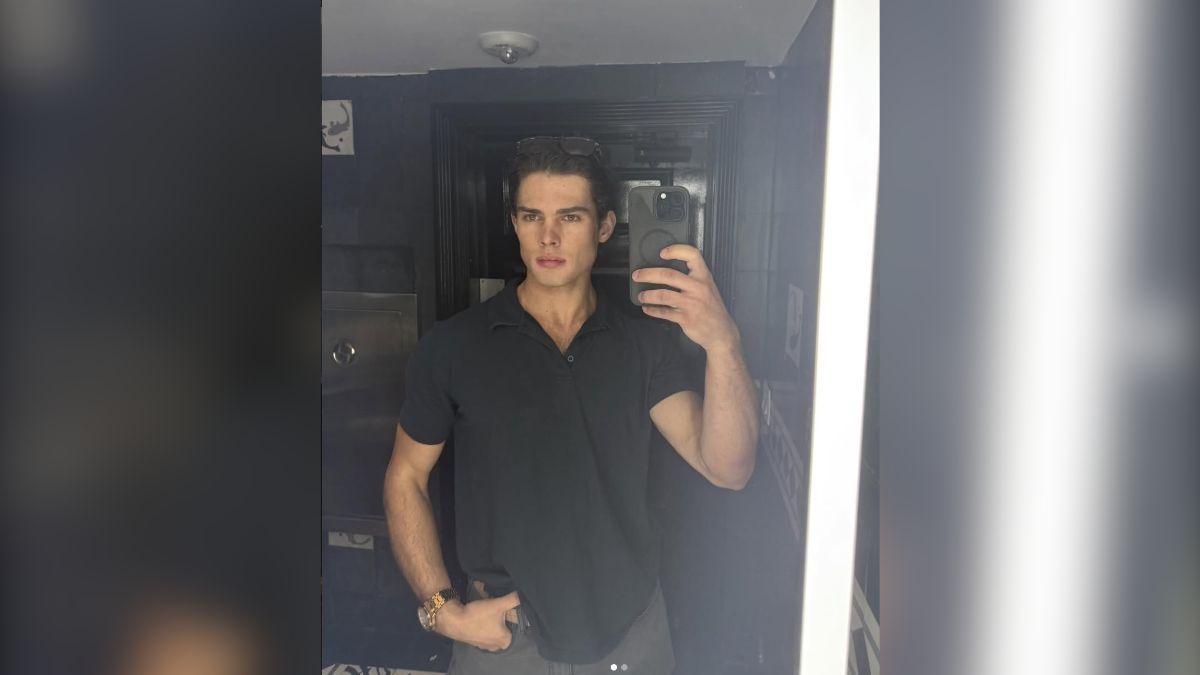
Braden ‘Clavicular’ Peters faced scrutiny after a suspected overdose during a livestream.
The move follows months of scrutiny around the creator and arrives just over a week after he was hospitalized for a suspected overdose during a livestream.
Clavicular claimed in a post on X he received “no warning or explanation.” The company told The Hollywood Reporter his original channel had already been removed in November 2025 for violating rules around “illegal or regulated goods or services,” and that subsequent accounts were banned under terms prohibiting creators from returning after termination.
What Is Looksmaxxing?
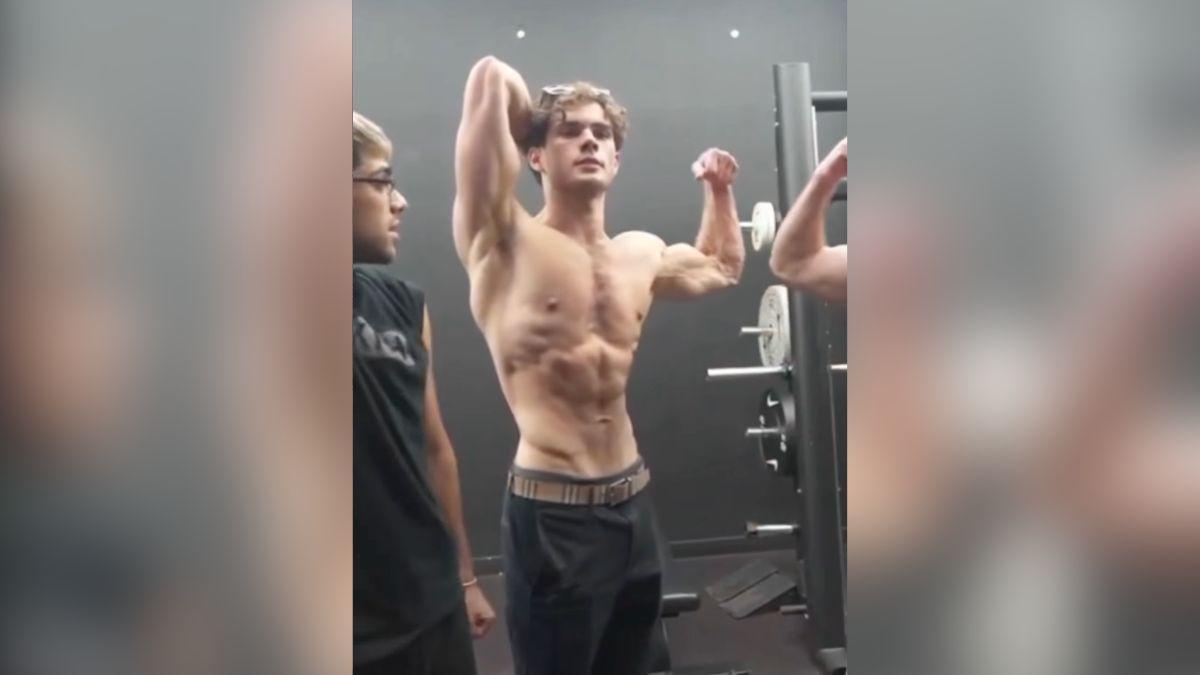
Experts warned of rising self-obsession.
“What starts as self-improvement quickly becomes self-obsession,” said psychotherapist Jonathan Alpert, author of Therapy Nation. “They’re not asking, ‘How do I build a better life?’ They’re asking, ‘How do I fix what’s wrong with my face or body?’”
These communities often frame success as a direct result of appearance, creating an extremely narrow definition of self-worth.
“There’s an implicit message: if you’re not getting the attention you want, it must be your looks,” Alpert explained. “That can lead people to overlook other parts of their lives… and instead fixate on appearance as the solution to everything.”
- Who Is Clavicular? 5 Things to Know About the 'Looksmaxxing' Influencer Hospitalized After an Apparent Drug Overdose
- 'There Were Concerns': RJ Mitte's Mom 'Encouraged' Him to Talk to a 'Counselor' Before His Shocking Suicide
- James Talarico Shuts Down False Ohio Mental Hospital Rumor as Expert Says Political Attack 'Boomeranged'
Want OK! each day? Sign up here!
From Self-Improvement to Risk-Taking
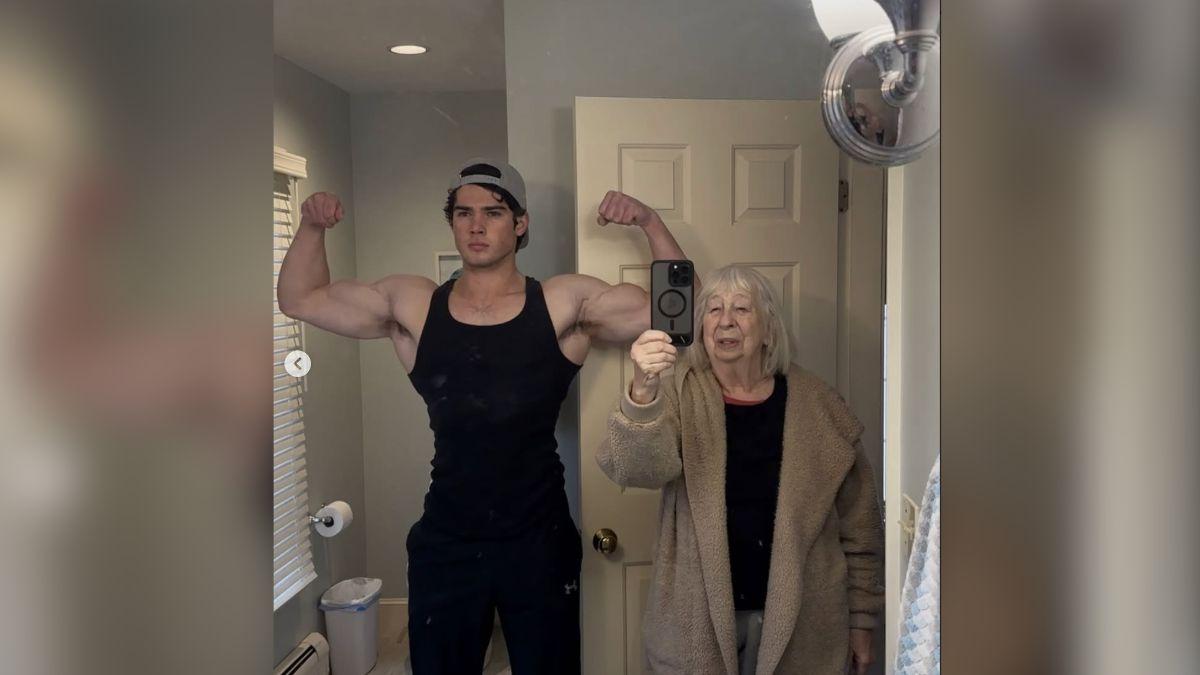
A media analyst flagged risky online trends.
“When someone believes their worth depends on how they look, they start justifying more extreme measures,” Alpert explained. “I’ve worked with patients who rationalize dangerous or unregulated substances because they believe the payoff… will finally make them feel OK.”
Media and cultural analyst Kaivan Shroff agrees that looksmaxxing can quickly spiral.
“Looksmaxxing communities sell young men a simple but corrosive idea…that their value is reducible to a scorecard of physical traits,” Shroff said. “That framing can spiral into anxiety, body dysmorphia, and a kind of social isolation where self-worth is constantly benchmarked against unrealistic, algorithm-driven ideals.”
Looksmaxxing also promises control: that with the right tweaks, anyone can transform their life by transforming their appearance.
“We’re seeing everything from steroid abuse to far riskier behaviors… and the consequences can be severe: organ damage, addiction, even life-threatening complications,” Shroff added. “The tragedy is that these choices often leave young men worse off physically and psychologically.”
A Platform Crackdown, and a Bigger Question

The crackdown targeted harmful communities.
Despite platforms like YouTube starting to take these risks seriously, the broader trend may be hard to contain.
“We’ve created a culture that encourages people to focus intensely on how they feel and how they’re perceived, but doesn’t always give them the tools to build resilience or tolerate discomfort. In that environment, something like looksmaxxing can take hold very quickly,” Alpert warned.
“For young men especially, confidence is more often built through competence, through doing hard things, developing skills, engaging with the real world,” he adds. “When appearance becomes the primary focus, it can crowd out the very experiences that actually build confidence.”