 Politics
Barack Obama Shades Donald Trump During Stephen Colbert Interview — But Falls Short of Endorsing Comedian for President

Barack Obama joked about Stephen Colbert during a late-night appearance.

May 9 2026, Published 6:31 a.m. ET


Barack Obama didn’t say Donald Trump’s name, but he didn’t have to.
During a May 5 appearance on The Late Show with Stephen Colbert, the former president delivered a carefully worded response that quickly lit up social media, blending humor, politics, and strategy in a way that experts say is tailor-made for today’s media landscape.
The Joke That Said Everything

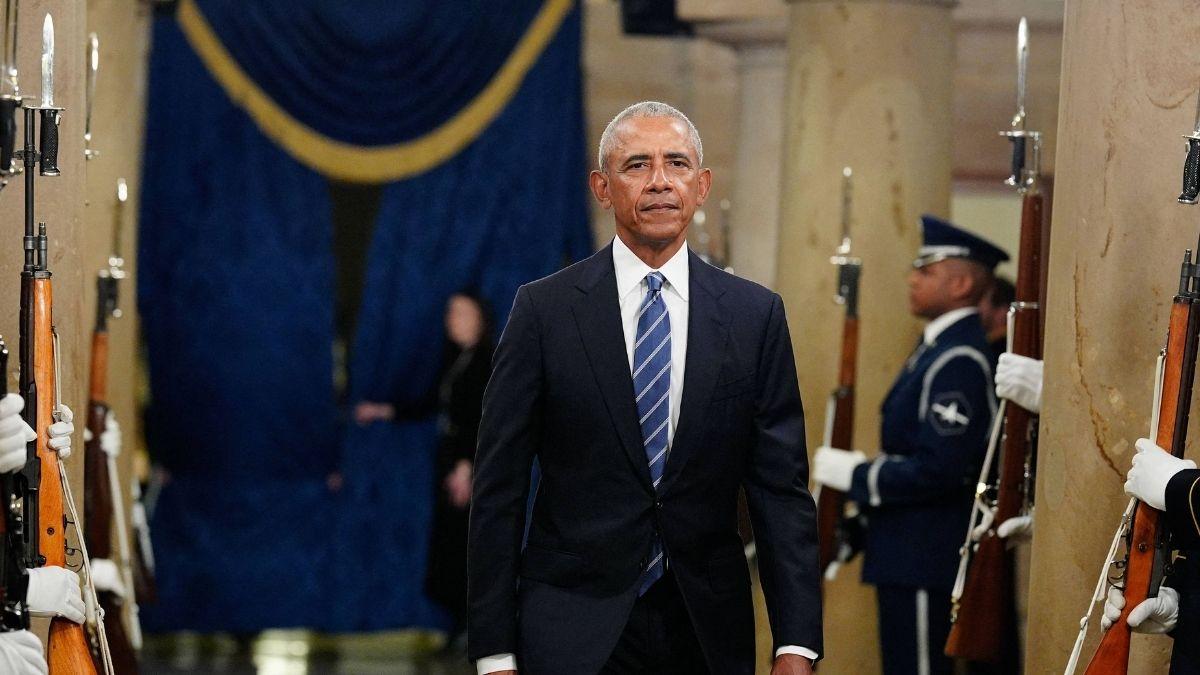
Barack Obama avoided naming the president in the viral remark.
Appearing alongside Colbert, who joked about a potential 2028 presidential run, Obama offered a sly response that drew immediate applause.
“Well, you know, the bar has changed,” Obama said. “I think that you could perform significantly better than some folks that we’ve seen.”
While he never mentioned Trump directly, the implication was clear, and the moment quickly spread across platforms as clips, memes, and commentary.
When Colbert pressed him on whether that counted as an endorsement, Obama shut it down: “It was not.”
Saying More by Saying Less
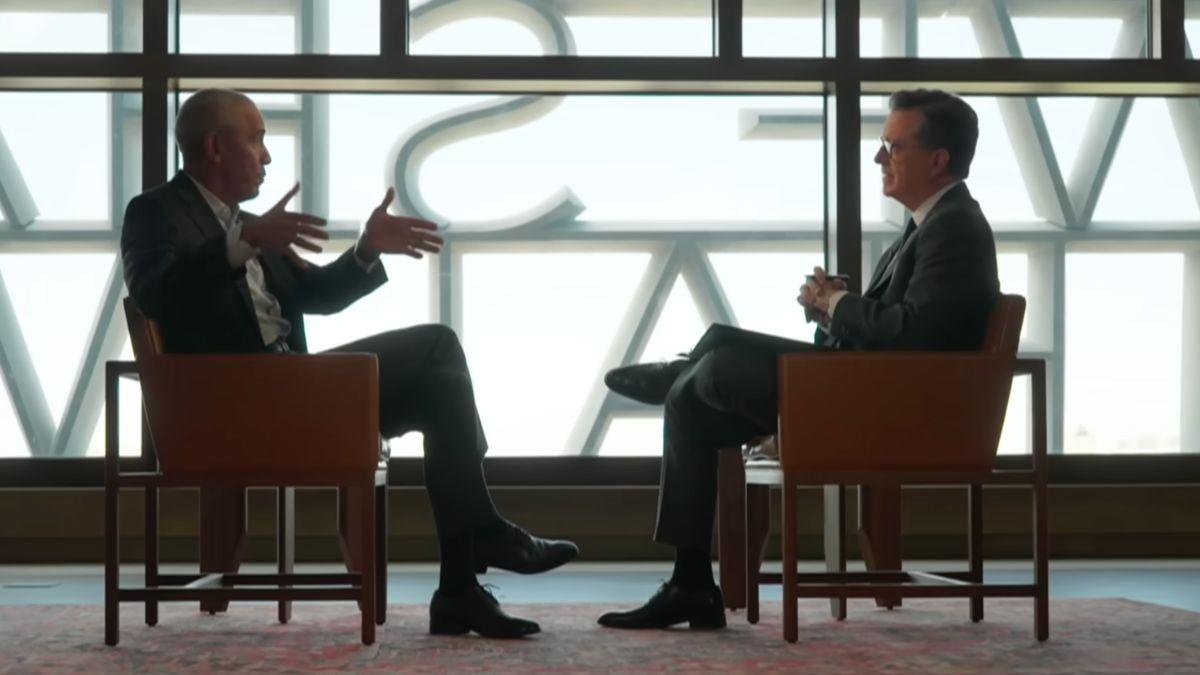
The moment was designed for social media.
“When Obama talks about Trump without saying his name, it is not a mistake. It is a strategy,” said John Kwatakye-Atiko, founder of Popularity PR. “By not saying his name, Trump’s MAGA base is powerless to retaliate. Instead, he makes the audience feel like they are in on a secret.”
That approach turns the audience into active participants.
“The public gets a good laugh because they figure out what is going on,” he added. “In politics, what you do not say can scream the loudest.”
Why Late Night Hits Different
- Barack Obama Makes Subtle Jab at Donald Trump as He's Asked About Stephen Colbert Running for President: 'The Bar Has Changed'
- Stephen Colbert's Iran War Joke Sparks Fox News Backlash: 'It's Shameful'
- Jon Stewart Says Donald Trump's 'Shocking Fragility' Made Late-Night TV Relevant Again While Criticizing President Alongside Michelle Obama
Want OK! each day? Sign up here!
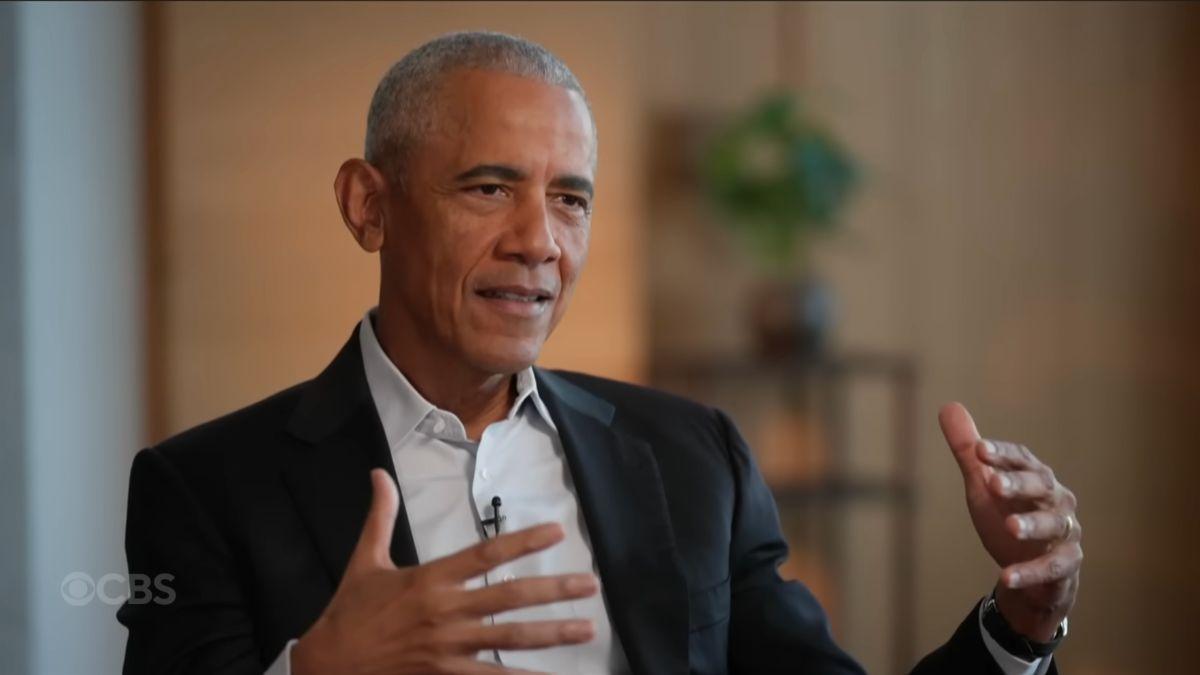
Late-night television shapes political messaging.
“Late night is not journalism. And that is exactly what makes it more powerful than journalism right now,” said Amore Philip, founder of Apples and Oranges Public Relations.
“When Obama sits down with Colbert, he is not being interviewed. He is performing,” Philip explained. “A traditional news interview produces a quote. A late night appearance produces a clip. And clips are the currency of political messaging in 2026.”
Built for the Algorithm Era
“Late-night shows are not 60-minute shows anymore,” Kwatakye-Atiko said. “They are factories that give viewers the ammunition to make short videos for social media.”
Once a segment hits the internet, audiences take over, editing, remixing, and resharing it across platforms.
“People are like DJs; they can spin their remix version,” he said. “Sometimes it even loses its original context… The audience helps spread the message because it's fun to watch.”
A Different Kind of Influence
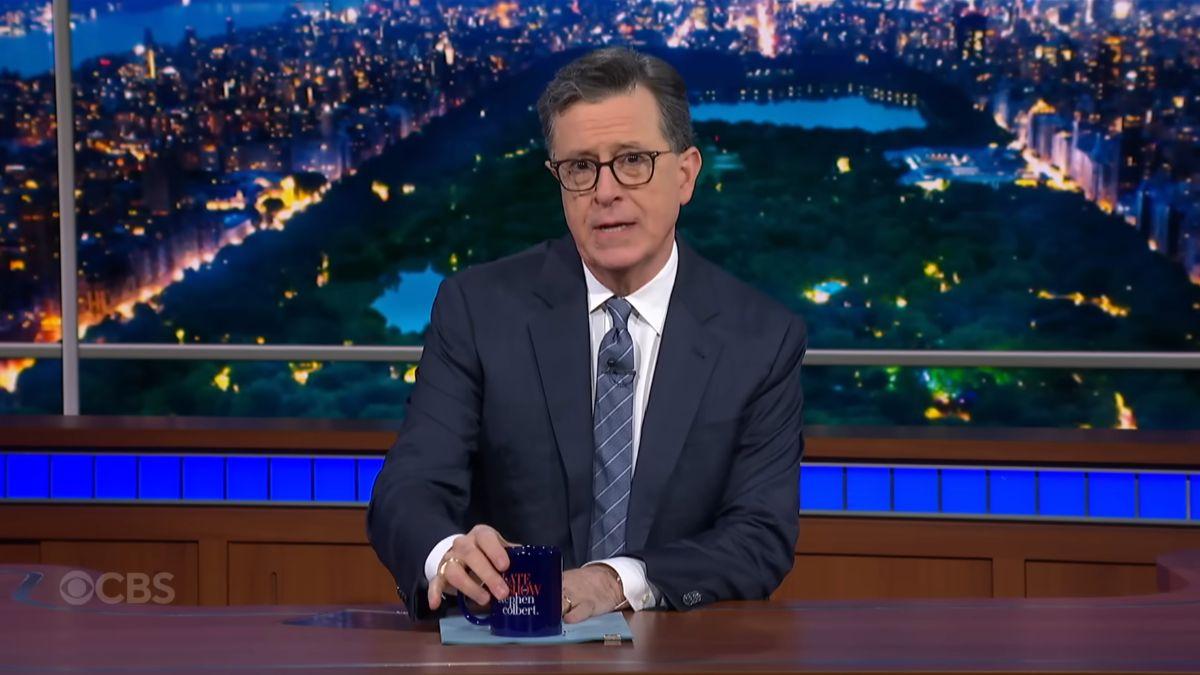
The interview quickly spread online.
“The genius of saying everything without naming anyone is that it forces the audience to fill in the blank themselves,” Philip said. “And the moment the audience does that work, they own the conclusion.”
In a media environment where attention is fragmented and speed is everything, that kind of engagement can be more powerful than any direct statement.
The final episode of The Late Show with Stephen Colbert is set to air on May 21.