
 Politics
CBS Boss Bari Weiss' UCLA Lecture Canceled Amid Protests and Security Concerns

Bari Weiss’ UCLA appearance was scrapped following students’ petition to cancel the event.

Feb. 23 2026, Published 5:41 p.m. ET


Bari Weiss’ planned appearance at UCLA has been scrapped, adding another flashpoint to the mounting scrutiny surrounding the embattled CBS News editor-in-chief.
Weiss was scheduled to deliver the annual Daniel Pearl Memorial Lecture on February 27 at Schoenberg Hall, speaking on “The Future of Journalism.” Instead, the event has been canceled — or, as some organizers have described it, “rescheduled” — following student protests, internal opposition and reported security concerns.
Lecture Pulled Amid Growing Backlash

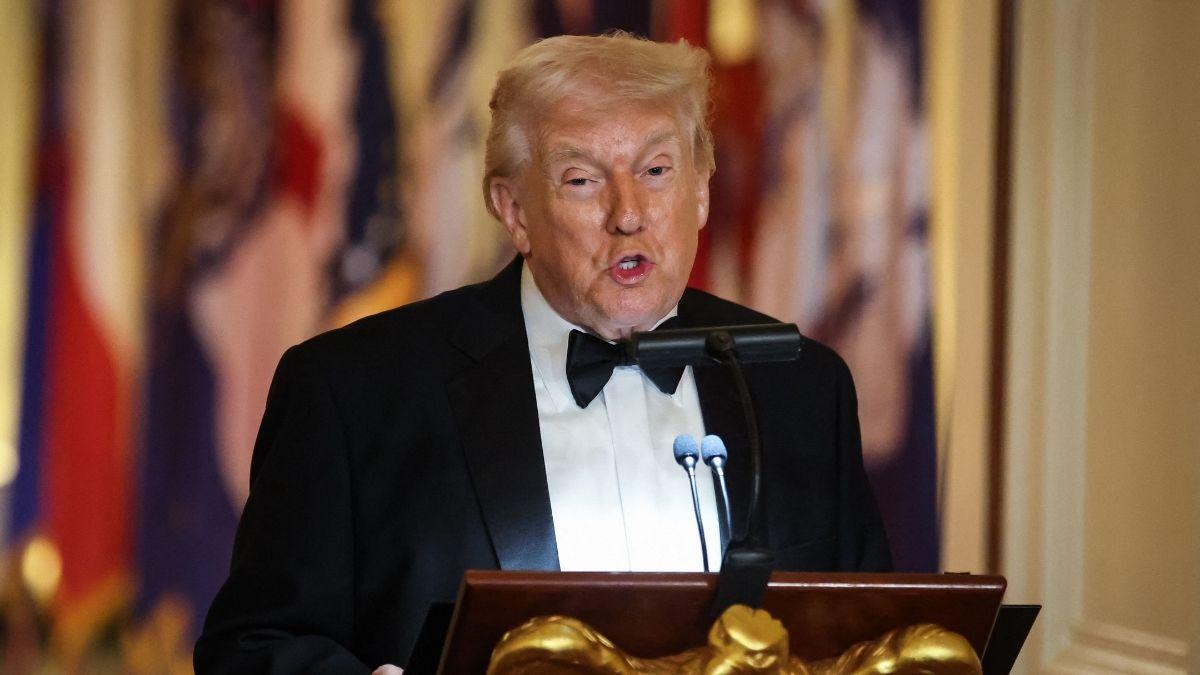
Activist groups accused Bari Weiss of aligning with the administration and criticized her past editorial decisions at CBS.
According to The Daily Bruin, Weiss will no longer appear on campus for the lecture, though organizers are exploring a virtual option. The Los Angeles Times cited a source familiar with the program who said Weiss’ team pulled out over security concerns, despite UCLA offering additional protection.
The Daniel Pearl Memorial Lecture, hosted by UCLA’s Burkle Center for International Relations, has previously featured high-profile journalists including Jake Tapper, Anderson Cooper and Bob Woodward. Weiss’ selection drew swift backlash.
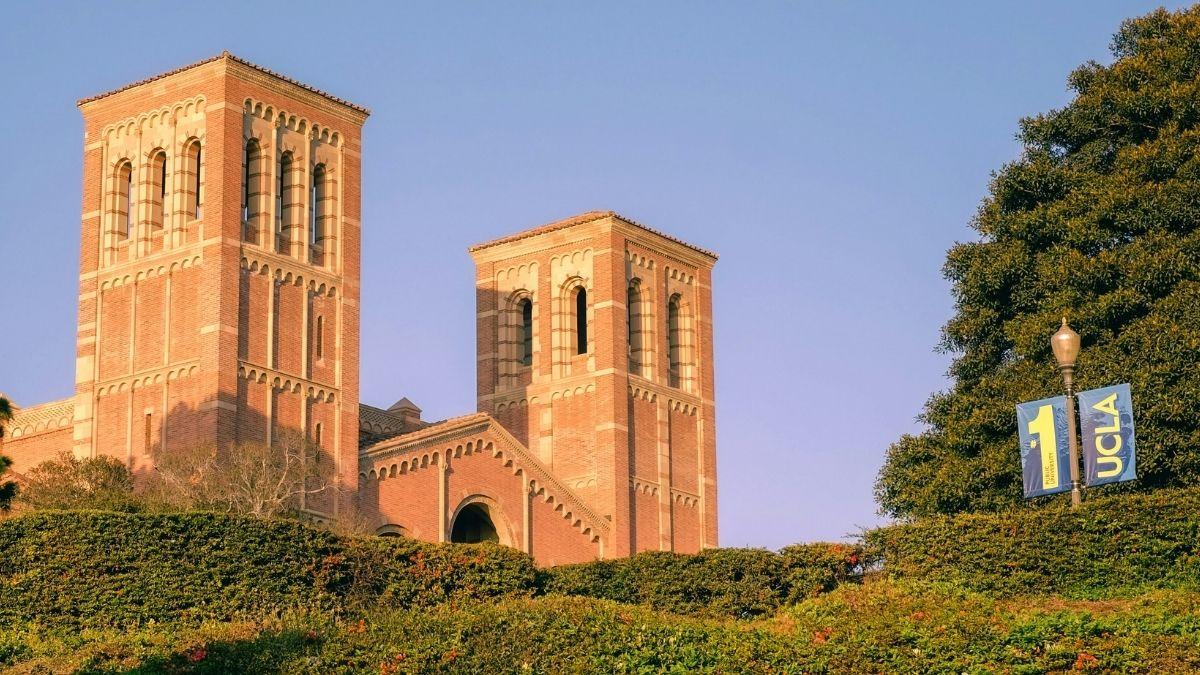
The petition calling for the event’s cancelation gathered nearly 11,000 signatures.
A petition calling for the event’s cancelation gathered nearly 11,000 signatures. Activist group CodePink organized opposition, accusing Weiss of aligning with the administration of President Donald Trump and criticizing her past editorial decisions at CBS, including her move to initially pull a 60 Minutes segment examining alleged abuse of deportees sent to an El Salvador prison. The story ultimately aired in January.
Margaret Peters, associate director of the Burkle Center and the Department of Political Science’s vice chair for graduate studies, told The Daily Bruin she would resign from the Burkle Center if the event moved forward in any format, arguing that inviting Weiss would undermine the university’s mission. She said Weiss disingenuously uses “free speech” to attack those with whom she disagrees.
“To invite somebody who is working against that mission in highly powerful places just seems like anathema in the university mission,” Peters told the outlet.
Want OK! each day? Sign up here!
CBS Turmoil and Political Crosscurrents
Detractors claimed that under Bari Weiss’ editorial leadership, CBS News has shifted rightward.
Weiss’ canceled appearance comes amid broader upheaval at CBS News. Since Paramount — now under Skydance ownership — acquired Weiss’ media company The Free Press for $150 million and installed her as editor-in-chief, the network has faced allegations of censorship, looming layoffs and internal restructuring.
Rumors have swirled about potential layoffs, and voluntary buyouts have reportedly been offered to some staffers at CBS Evening News.
Weiss has said she wants to make CBS News “fit for purpose in the 21st century,” though critics argue her leadership has coincided with political and editorial controversy. Some detractors claim the network has shifted rightward amid regulatory scrutiny from the Federal Communications Commission, now led by a Trump appointee.
The UCLA lecture cancelation also unfolded as CBS navigated a separate clash involving The Late Show With Stephen Colbert and the FCC’s equal-time rule, further amplifying tensions over journalism, politics and free speech.
Platforming, Protest and Public Perception
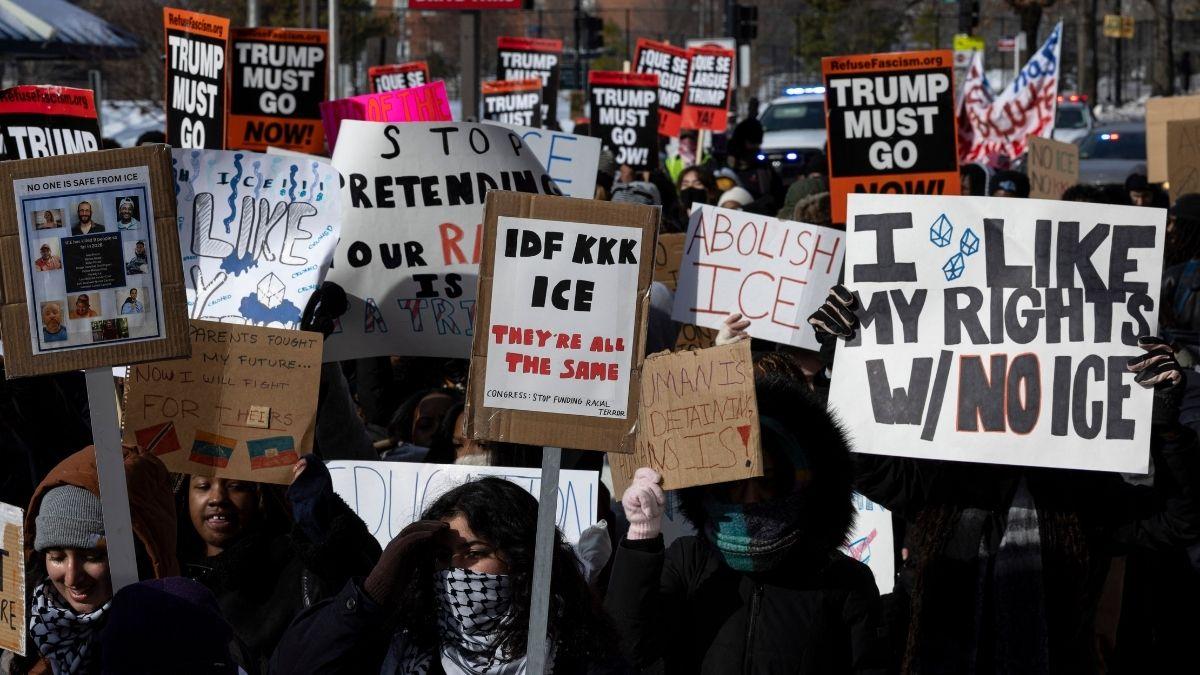
The canceled lecture gathered mixed reactions on social media, some expressed concern over academic freedom.
On social media, reactions to the canceled lecture ranged from celebration to concern over academic freedom. Some critics called Weiss’ selection “insulting,” while others framed the cancelation as evidence of rising campus intolerance for controversial figures.
For Weiss — who resigned from The New York Times in 2020 citing ideological hostility and built The Free Press as an alternative media platform — the UCLA episode underscores how polarizing her presence has become.