 HEALTH
Celebrity Health Updates Go Viral: Why Cases Like Eric Dane and James Van Der Beek Trigger Anxiety and Misinformation

Experts warned viral health updates fuel self-diagnosing online.

March 5 2026, Published 10:05 p.m. ET


When Dancing With the Stars pro Val Chmerkovskiy posted a hospital video explaining his vertigo diagnosis, fans responded instantly — with prayers, personal stories and medical commentary of their own.
“So, I got BPPV,” Chmerkovskiy told fans in a follow-up video, referring to benign paroxysmal positional vertigo. “Which isn’t too bad, thank God. There’s no tumor in my brain, God forbid. And thankfully, it’s not related to my neck injury.” He added that he was undergoing the Epley maneuver and felt “good enough to perform.”
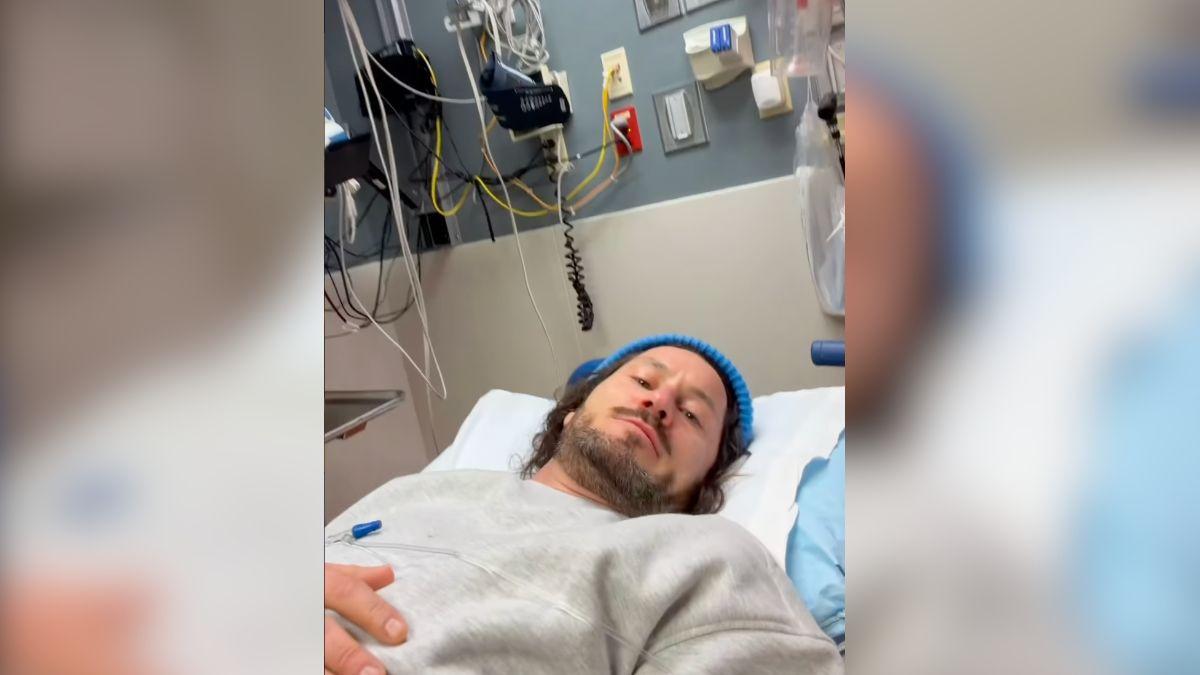
Val Chmerkovskiy shared a hospital video revealing his BPPV diagnosis.
Within minutes, comment sections filled with followers sharing their own diagnoses and remedies.
It’s a now-familiar pattern: a celebrity health update goes viral, and audiences rush to compare symptoms, swap fixes or — worse — diagnose themselves.
When Health Updates Trigger Health Anxiety
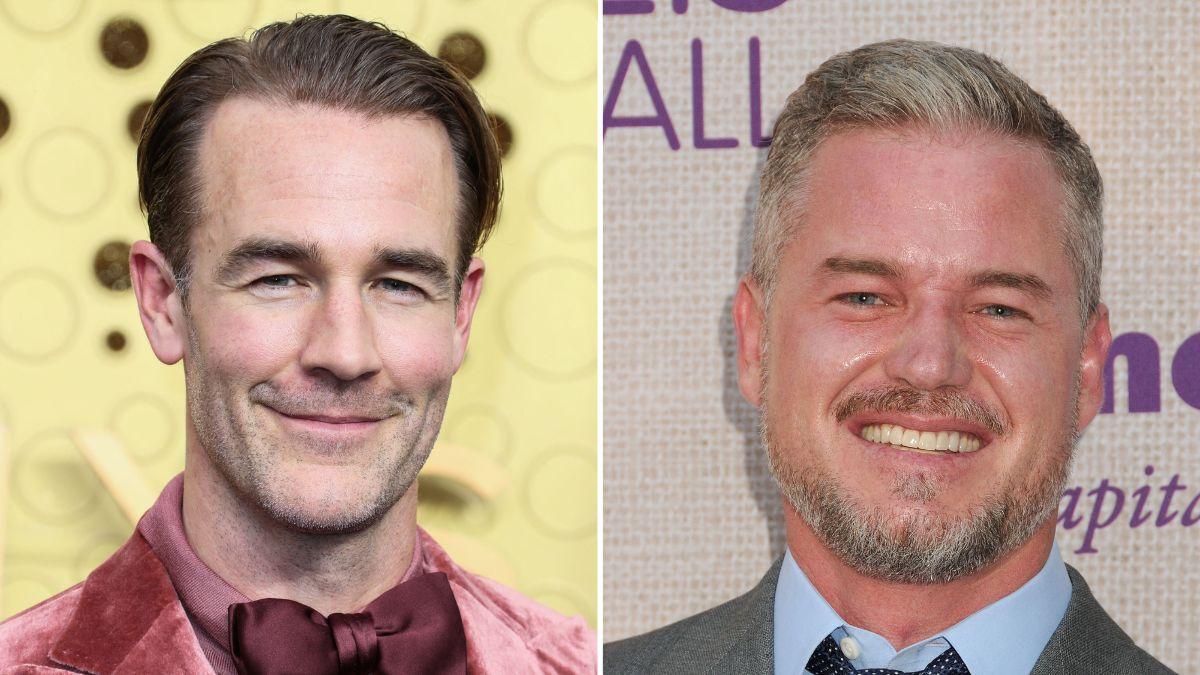
Public illness can spark fear about one's own health.
Public illness doesn’t just generate sympathy. It can also spark fear.
After the deaths of actors James Van Der Beek and Eric Dane following battles with colorectal cancer and ALS, many fans reported heightened anxiety about their own health. Experts say that’s common.
In the age of WebMD and ChatGPT, spiraling is easier than ever. While everyone worries about their health from time to time, health anxiety can become problematic when excessive Googling and fear become a preoccupation.
Want OK! each day? Sign up here!
The Problem With ‘Lotions and Potions’
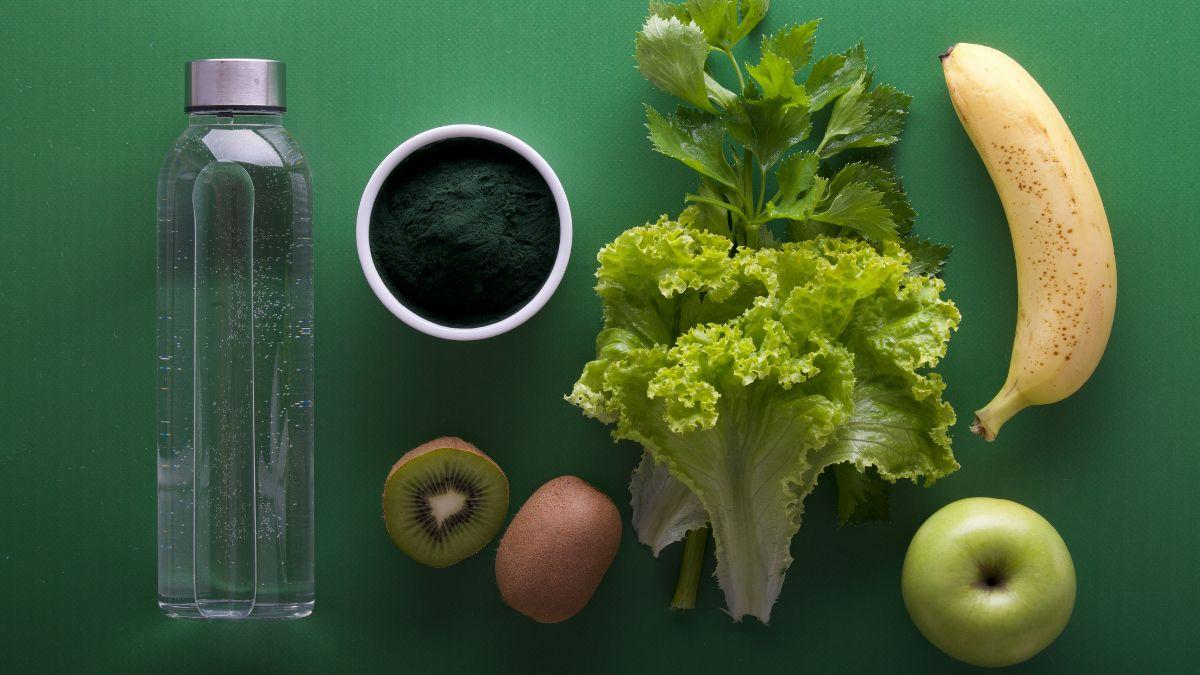
Miranda McKeon urged fans to prioritize evidence-based medical care.
For younger audiences especially, viral health content often overlaps with influencer-driven wellness advice.
B----- cancer survivor and content creator Miranda McKeon recently spoke to People about what she calls her “qualms with the self-help wellness industry.” Diagnosed at 19, she underwent chemotherapy, a double mastectomy and medically induced menopause, and became cancer-free in 2022. She now advocates for evidence-based care over miracle cures, and serves as an advisor to women’s health startup BeSound.
“I think a lot of times we're sold lotions and potions as a means of self-care,” McKeon said. “The best thing that you can do for your health is stay on top of it, from a medical standpoint.”
She prioritizes basics over buzzwords: “Fitness, exercise, eating food and self-screening… that’s the biggest investment you could ever make in yourself.”
Her message is particularly relevant when celebrity posts inadvertently become unofficial health forums.
How to Share Without Spreading Misinformation
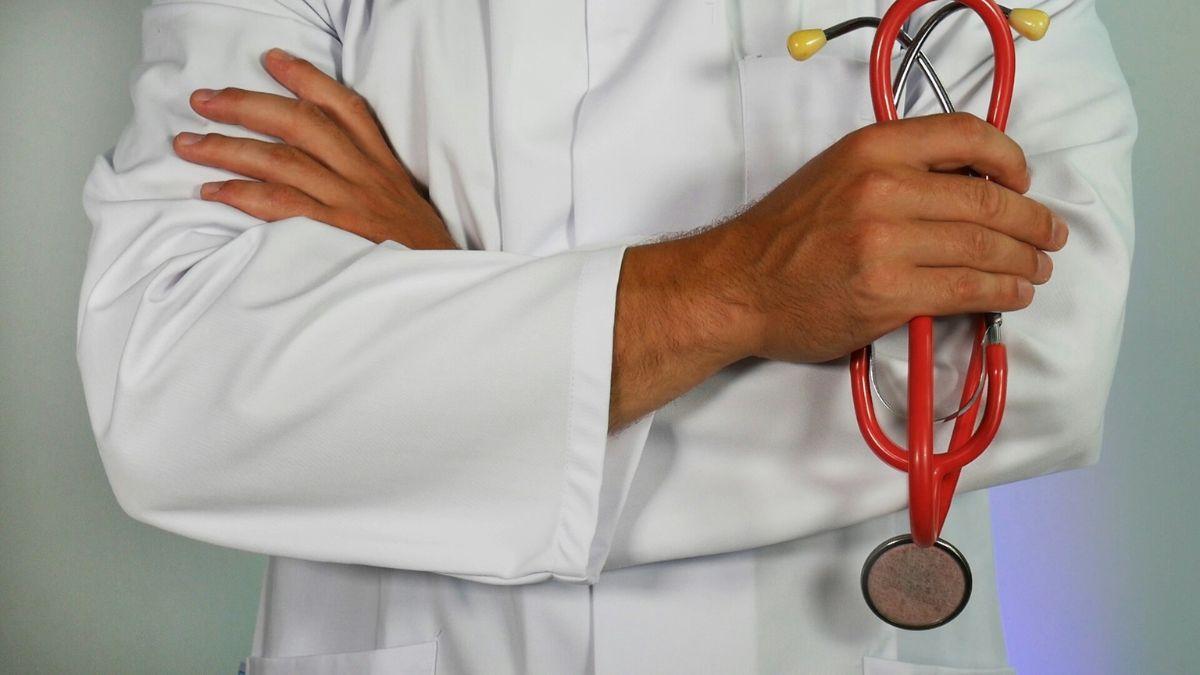
Health professionals said celebrity illness updates can spark awareness but also risk spreading misinformation.
Celebrity transparency can be powerful. Chmerkovskiy explaining BPPV — and clarifying it wasn’t a brain tumor — may actually have prevented speculation.
But context matters. When discussing symptoms online, people should avoid diagnosing others (or yourself) based on limited information, and keep in mind that individual experiences aren’t universal.
“It’s crucial… to scroll social media knowing that what works for one person may not apply universally,” McKeon said.
Celebrity health updates aren’t going anywhere. The real question is whether audiences can engage with empathy without letting fear or misinformation take over.