
 Politics
Donald Trump Weighs in on Megyn Kelly and Mark Levin's Feud as President Turns MAGA Rift Into Loyalty Test

Donald Trump publicly backed Mark Levin during a heated media feud with Megyn Kelly.

March 23 2026, Published 6:35 p.m. ET


A simmering feud between Megyn Kelly and Mark Levin has exploded into a full-blown media spectacle, and President Donald Trump’s decision to take sides is amplifying the drama while exposing deeper fractures within his political base.
The clash, which has been building for months, intensified as both commentators traded increasingly personal insults over the U.S. war in Iran. Kelly, a prominent podcaster and former Fox News host, has emerged as a vocal critic of the conflict, while Levin has defended a more hawkish stance.
Their public sparring quickly escalated, with Levin calling Kelly an “emotionally unhinged, lewd, and petulant wreck,” and Kelly firing back with a vulgar nickname and accusing him of obsessive behavior.
Trump’s Endorsement Raises the Stakes

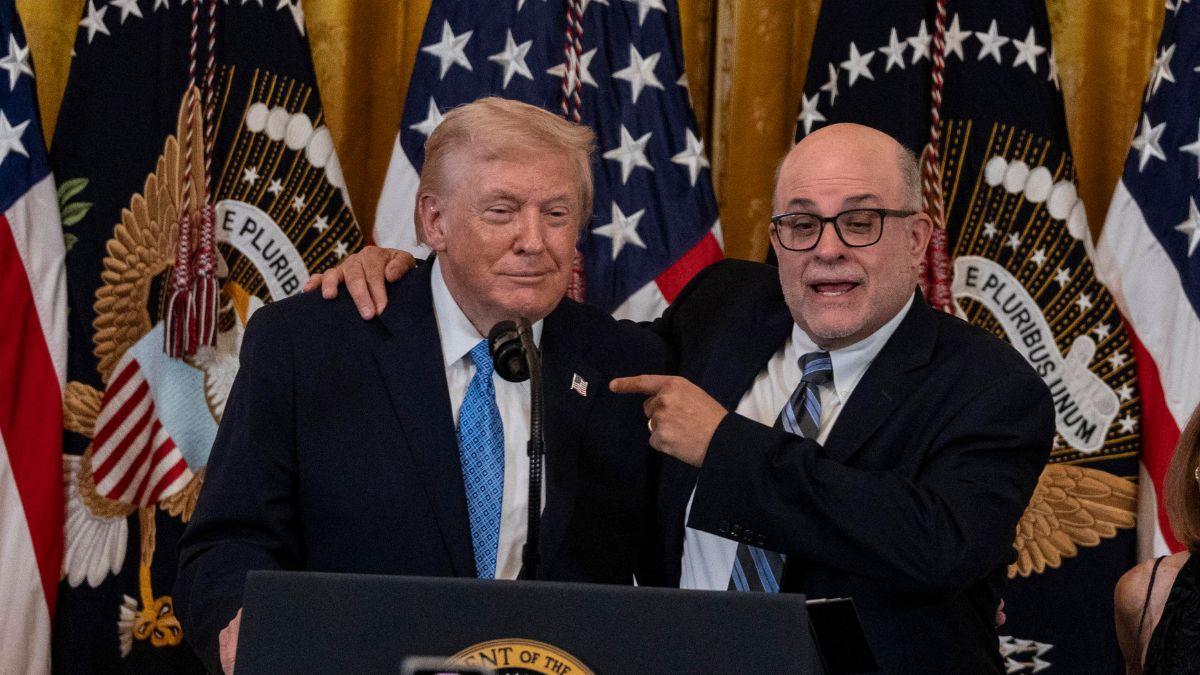
Donald Trump backed Mark Levin in a lengthy Truth Social post.
Trump inserted himself directly into the feud with a lengthy Truth Social post backing Levin as a “truly Great American Patriot” and warning that those who criticize him would “quickly fall by the wayside.” While he did not name Kelly directly, his message made clear where he stood, and signaled potential consequences for dissent.
“THEY ARE NOT MAGA, I AM,” Trump declared, framing the dispute not just as a disagreement, but as a test of ideological loyalty.
That intervention has transformed what might have remained a media spat into something more consequential, particularly among conservative audiences already divided over foreign policy.
A Movement Divided
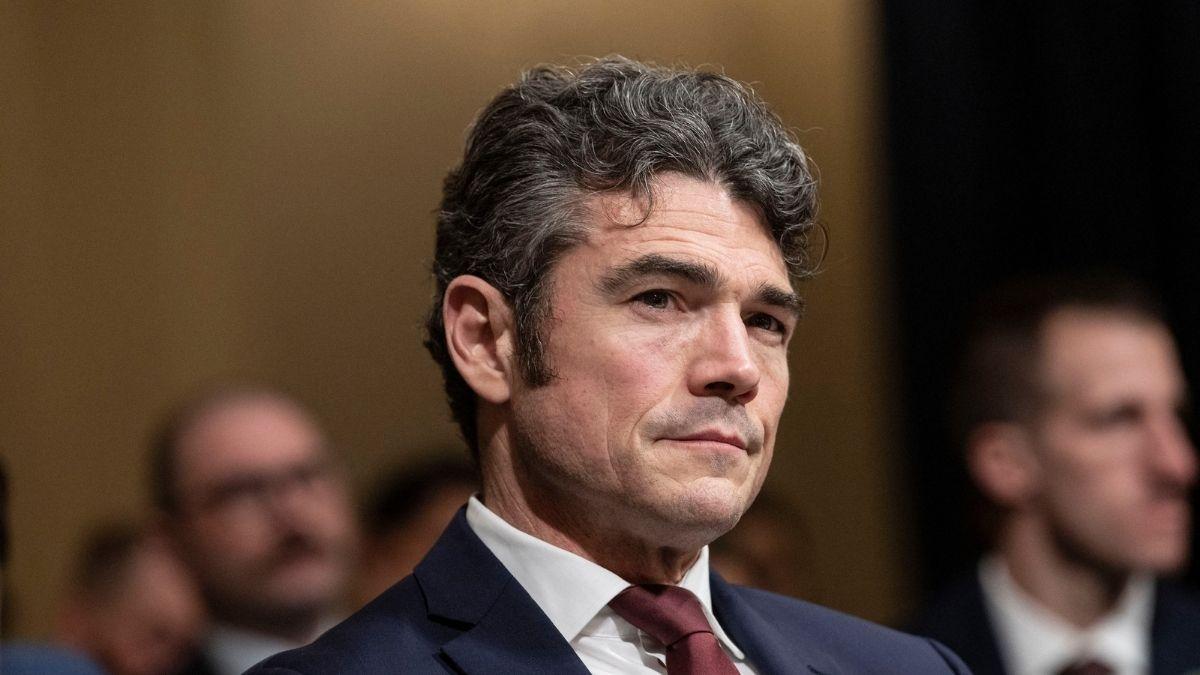
The clash exposed divisions over Iran inside MAGA circles.
The Kelly–Levin feud reflects a broader split within MAGA-aligned voices. On one side are figures like Levin, Sen. Lindsey Graham and Ben Shapiro, who support a more aggressive posture abroad. On the other are Kelly, Tucker Carlson, Marjorie Taylor Greene and others who oppose U.S. military action in Iran.
The divide deepened following the resignation of Joe Kent, the former National Counterterrorism Center director, who stepped down in protest of the war. Kelly warned that targeting Kent and other dissenting voices could “rip the GOP apart right to its core” and suppress voter turnout.
Meanwhile, Trump and his allies have moved to discredit Kent, with the president calling him “weak on security.”
Want OK! each day? Sign up here!
Why These Feuds Spiral
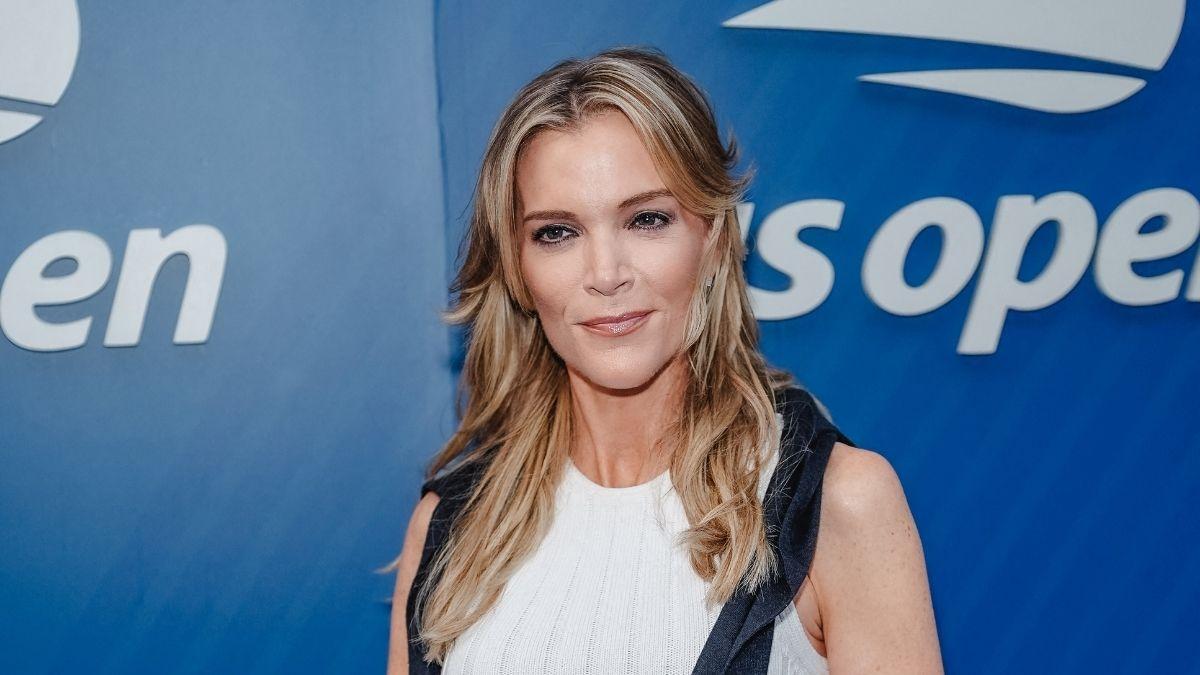
Megyn Kelly and Mark Levin exchange escalating insults online.
According to psychotherapist Jonathan Alpert, author of the forthcoming book Therapy Nation, such high-profile clashes are almost inevitable during moments of national tension.
“These kinds of feuds tend to surface during major national-security moments because the pressure for unity increases,” Alpert says. “When the stakes feel high, people look for clear signals about where everyone stands — and that’s exactly when disagreements become harder to keep contained.”
He added that social media accelerates the dynamic.
“Influencers amplify outrage because it gets attention, audiences reward that with engagement, which raises the pressure on others to respond in kind,” Alpert adds. “It quickly becomes less about the substance of the issue and more about signaling conviction and loyalty in real time.”
A Loyalty Test in Real Time
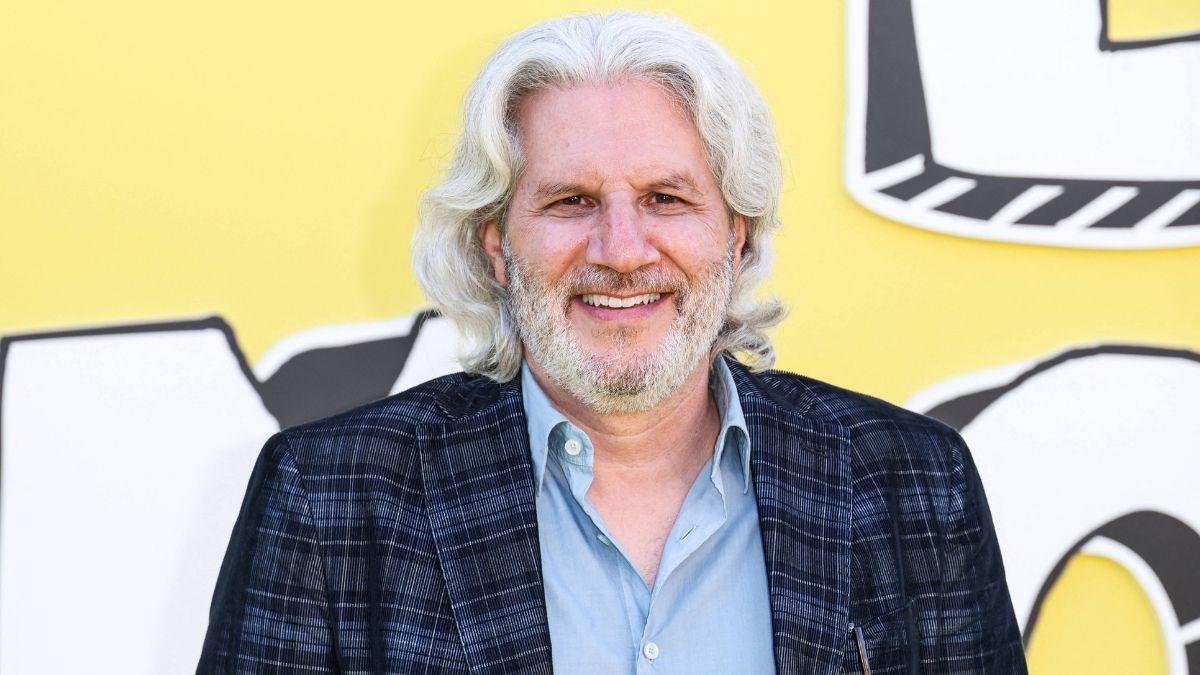
Commentators said loyalty quickly became the central issue.
Trump’s involvement, Alpert noted, fundamentally changes the calculus.
“When he steps in, it effectively turns the moment into a loyalty test,” he explains. “Media figures and influencers have to decide whether to align with him, push back, or try to hedge — and each option carries risk with their audience.”
The feud is unlikely to die down anytime soon.
“The louder the conflict gets,” Alpert says, “the harder it is for anyone to step back without looking like they’ve lost standing.”