 Politics
Donald Trump's 'DoorDash Grandma' PR Fallout: How the Viral Political Moment Put Delivery Brand at Risk

A White House stunt put DoorDash and McDonald’s into a political firestorm.

April 18 2026, Published 7:34 a.m. ET


What happens when a brand becomes the backdrop to a political message it didn’t fully script?
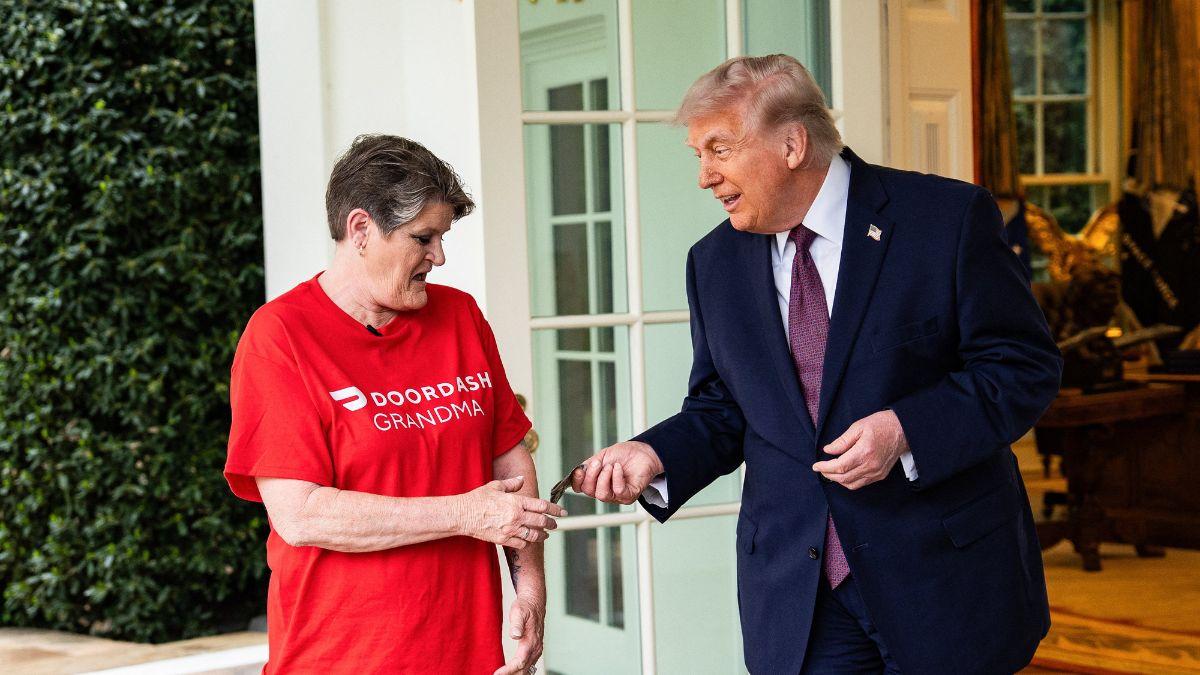
The staged White House delivery featuring a DoorDash driver and McDonald’s bags was meant to spotlight President Donald Trump’s “no tax on tips” policy. Instead, it turned into a PR spiral that pulled both brands into a controversy neither could fully control.
When Brands Become Part of the Story

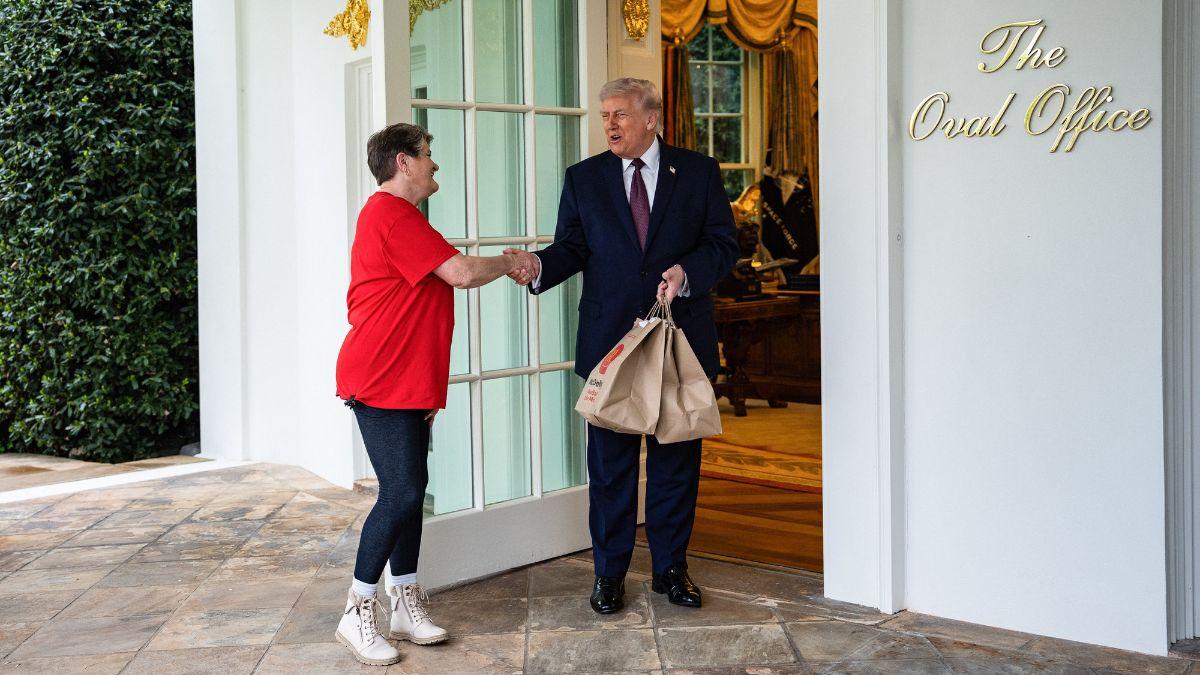
Experts said brands risk losing control once they enter viral political moments.
“When a political figure turns a brand moment into a viral image, the brand didn't choose sides, but the internet will choose for them,” said Amore Philip, founder of Apples and Oranges Public Relations. “That's the new reality of reputational exposure, and McDonald's is the latest example of a company that woke up inside someone else's narrative without a single word of their own.”
That dynamic played out quickly. As reports surfaced that the DoorDash driver, Sharon Simmons, had previously appeared at GOP events supporting the same policy, the narrative shifted from a feel-good moment to questions about staging, transparency, and intent.
The PR Crisis That Escalated the Moment
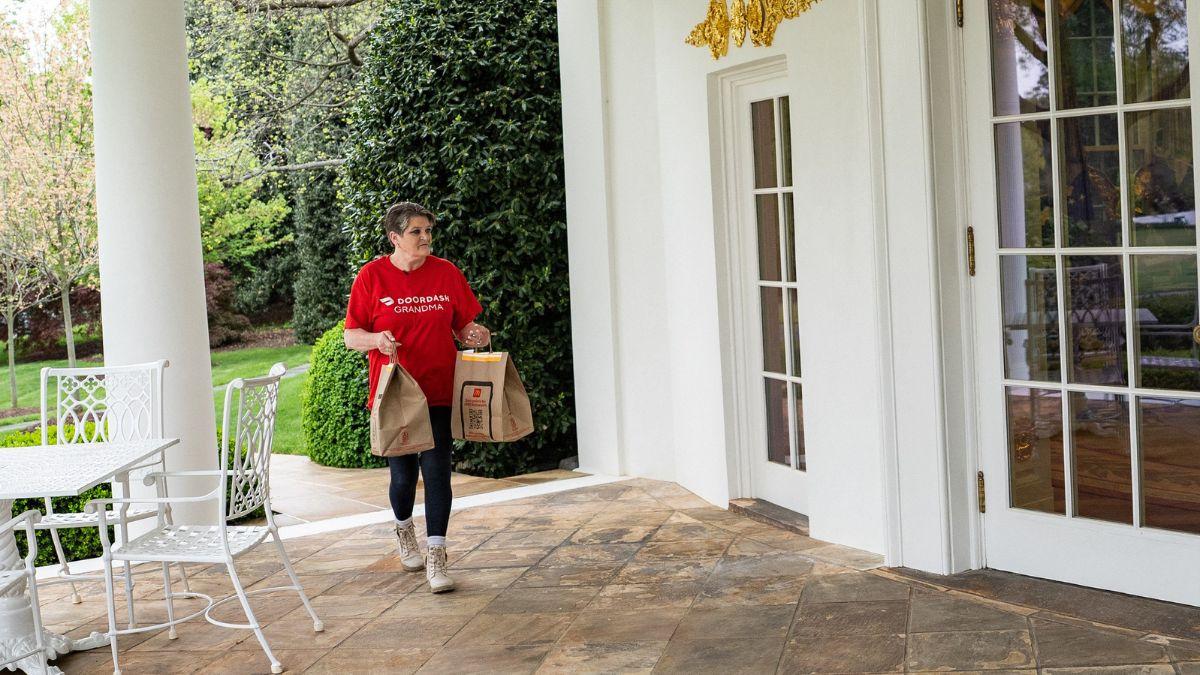
DoorDash’s public response intensified criticism and backlash.
Julian Crowley, the company’s head of public affairs, took to social media to defend the activation, but his frustrated posts on X quickly became part of the controversy.
“No one is claiming it was a real delivery,” he wrote. “It was clearly and obviously a planned event to mark a new policy starting.”
He confirmed that Simmons had been briefed ahead of the event, adding, “Ofc we would speak to Sharon about what to expect before she appeared before the media and with the President.”
As criticism intensified, Crowley’s commentary became angrier. Responding to skeptics, he wrote, “No you’re totally right. A person can’t have the same view on a policy that they had a year ago. That tracks.” In another reply, he told a user, “You need to touch grass.”
- Natasha Lyonne Offers Strange Explanation After MAGA Posts Leave Fans Baffled
- Donald Trump Slams 'Disgrace' LeBron James for 'Disrespecting His Country' at NBA Game While Criticizing Athlete's Behavior During National Anthem
- 'Tan Mom' Patricia Krentcil Claims She Was Nearly Arrested by 'Racist' ICE Agents Because of Her Skin Tone
Want OK! each day? Sign up here!
The Cost of Silence, and the Risk of Speaking
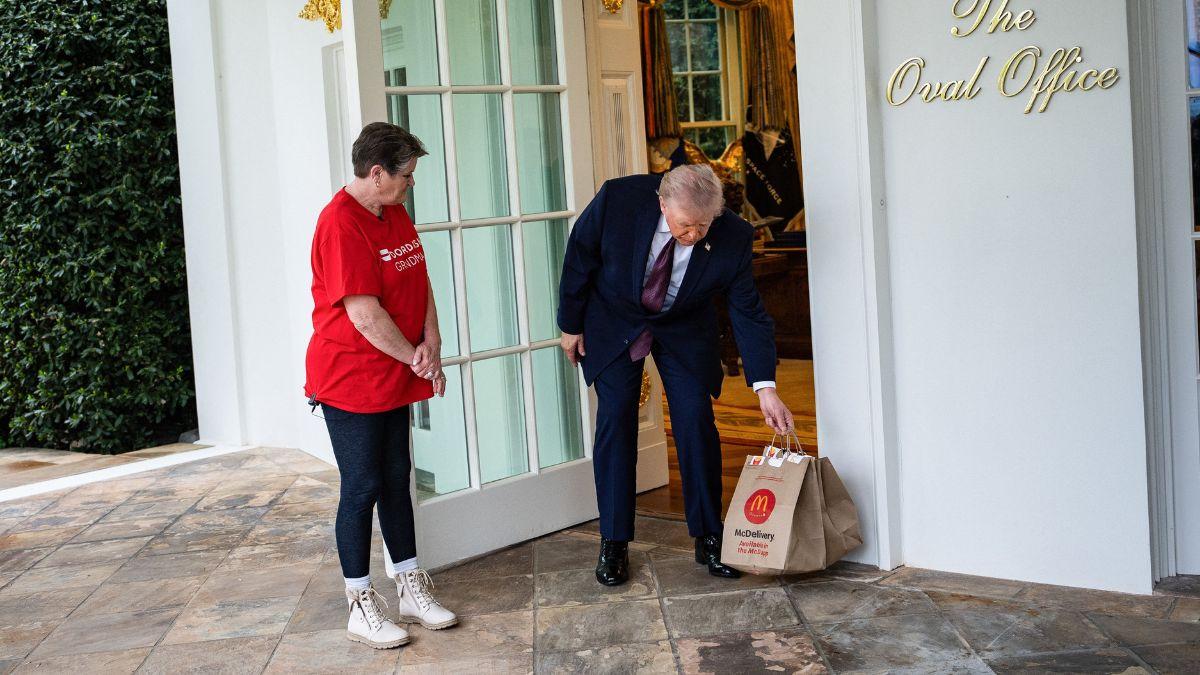
McDonald’s faced pressure as silence fueled narratives.
“McDonald's is the latest example of a company that woke up inside someone else's narrative without a single word of their own. The risk isn't the association itself, it's the silence that follows,” Philip said. “Brands that go quiet aren't staying neutral; they're ceding the story to whoever is loudest.”
But responding carries its own pitfalls, as DoorDash’s response shows.
“Acknowledge the moment, anchor back to your brand values, and whatever you do, don't issue a carefully worded non-statement that tries to please everyone,” she warned. “Those land as evasive, and evasive reads as guilty in a viral news cycle.”
A New Playbook for Viral Controversy
Experts said a clear brand identity is the best crisis tool.
The “DoorDash Grandma” fallout underscores a reality brands can no longer ignore: visibility comes with vulnerability.
“The brands that come out of these moments intact are the ones that already know who they are before the crisis hits,” Philip added. “Clarity of identity is the best crisis communications tool a brand has.”