 Politics
Drug Industry Challenges RFK Jr. and Dr. Oz in Lawsuit Claiming Illegal Medicare 'Power Grab' Under Donald Trump's New Rule

RFK Jr., Dr. Oz, and President Donald Trump are at the center of a federal lawsuit challenging the administration's sweeping Medicare drug-pricing rule.

Oct. 8 2026, Published 2:27 a.m. ET


Health Secretary Robert F. Kennedy Jr. and Medicare administrator Dr. Mehmet Oz are facing a federal lawsuit accusing the Donald Trump administration of an illegal Medicare power grab, as pharmaceutical giants demand a judge block a sweeping new drug-pricing rule, OK! can reveal.
According to court documents obtained by OK!, the Pharmaceutical Research and Manufacturers of America (PhRMA) filed its complaint in Washington, D.C., on October 7, challenging a controversial program that would link payments for certain Medicare medications to drug prices in foreign countries.
Drug Giants Challenge Federal Authority

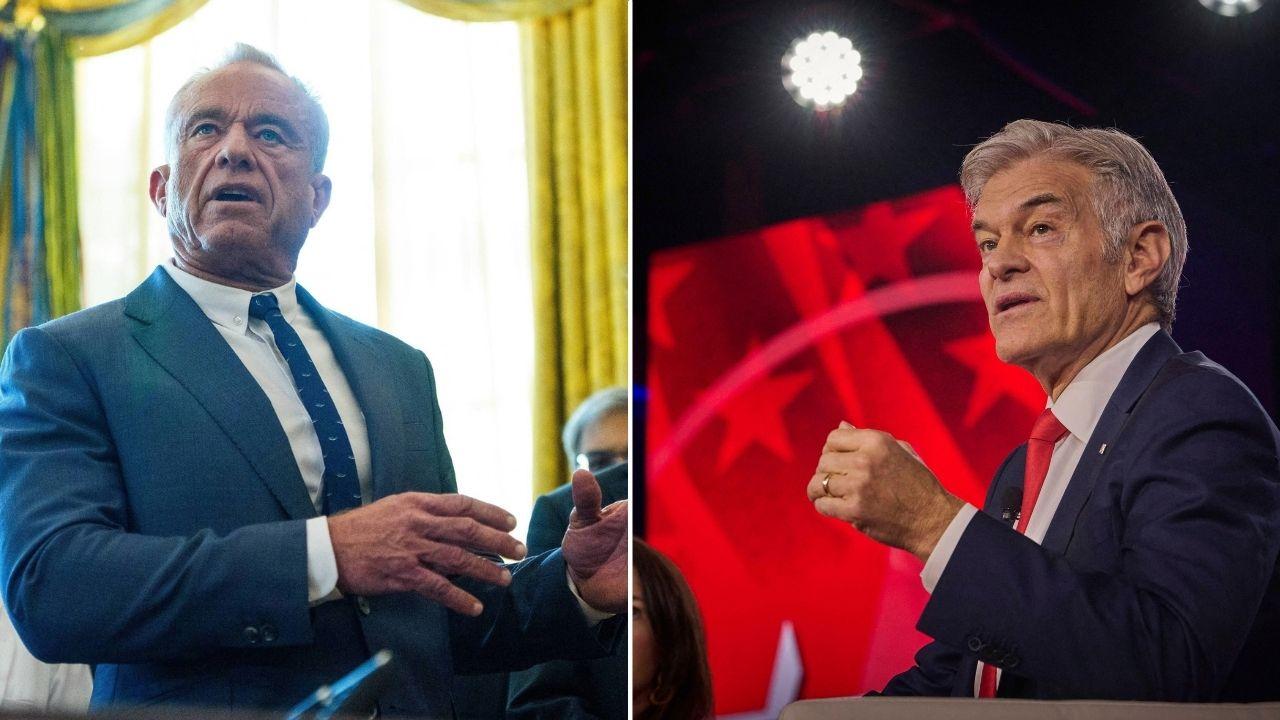
RFK Jr. and Dr. Oz face a legal challenge over the administration's controversial Medicare drug-pricing rule.
The powerful industry association claims federal health officials have exceeded their authority by imposing a nationwide pricing experiment without proper congressional authorization.
The lawsuit targets the administration's GLOBE program, which aims to reduce Medicare spending on certain physician-administered medications by tying manufacturer rebates to international drug prices.
PhRMA argues that the Centers for Medicare & Medicaid Services cannot use its authority to test payment models to impose what the group characterizes as a sweeping drug-pricing policy. The association claims Congress never authorized federal officials to establish the program in its current form.
Millions Of Medicare Patients Caught In Dispute
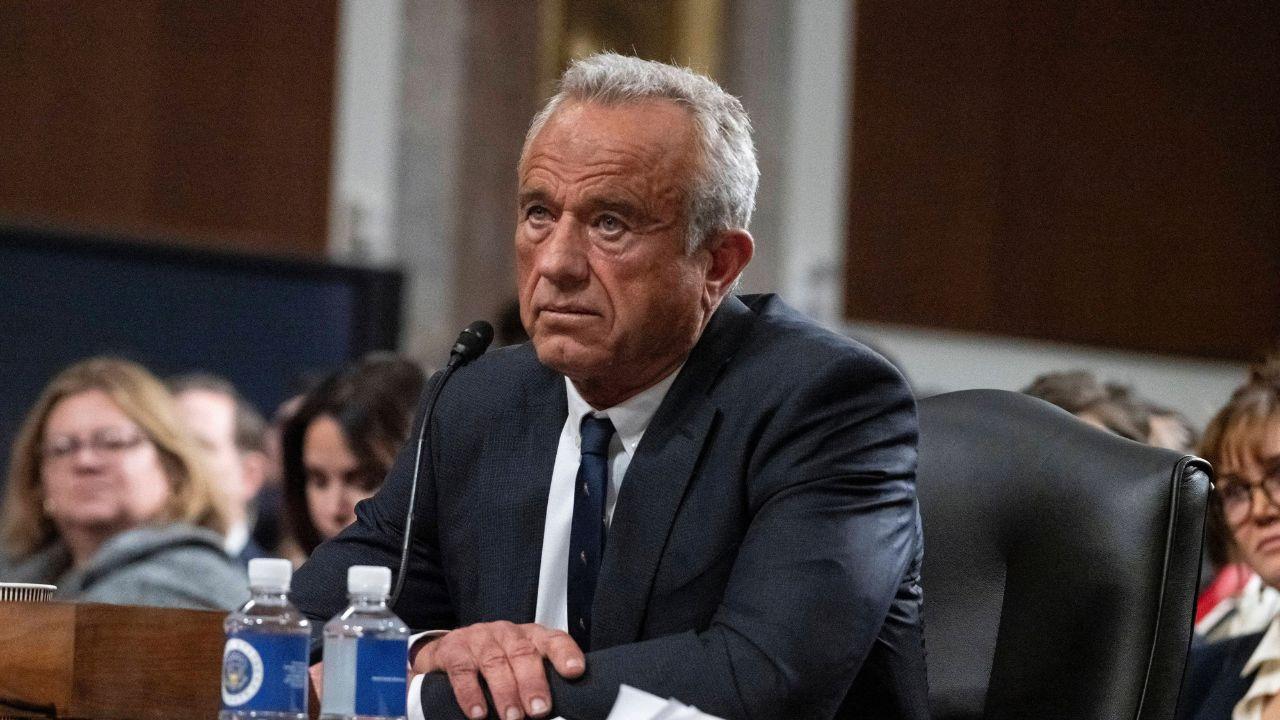
Drugmakers claim RFK Jr.'s Medicare pricing overhaul could affect millions of beneficiaries without their knowledge.
The pharmaceutical group is asking the court to declare the rule unlawful and prevent the government from enforcing it. The complaint alleges that approximately 25 percent of Medicare Part B fee-for-service beneficiaries would be included in the program based on randomly selected geographic areas.
According to the filing, affected patients would not be permitted to opt out. PhRMA also claims Medicare officials do not intend to individually notify beneficiaries that they have been included in the pricing model.
The association argues that those provisions demonstrate how far the administration's experiment extends beyond the limited testing authority granted by Congress.
The lawsuit also challenges financial obligations imposed on pharmaceutical manufacturers.
Want OK! each day? Sign up here!
Drugmakers Face Steep Financial Penalties
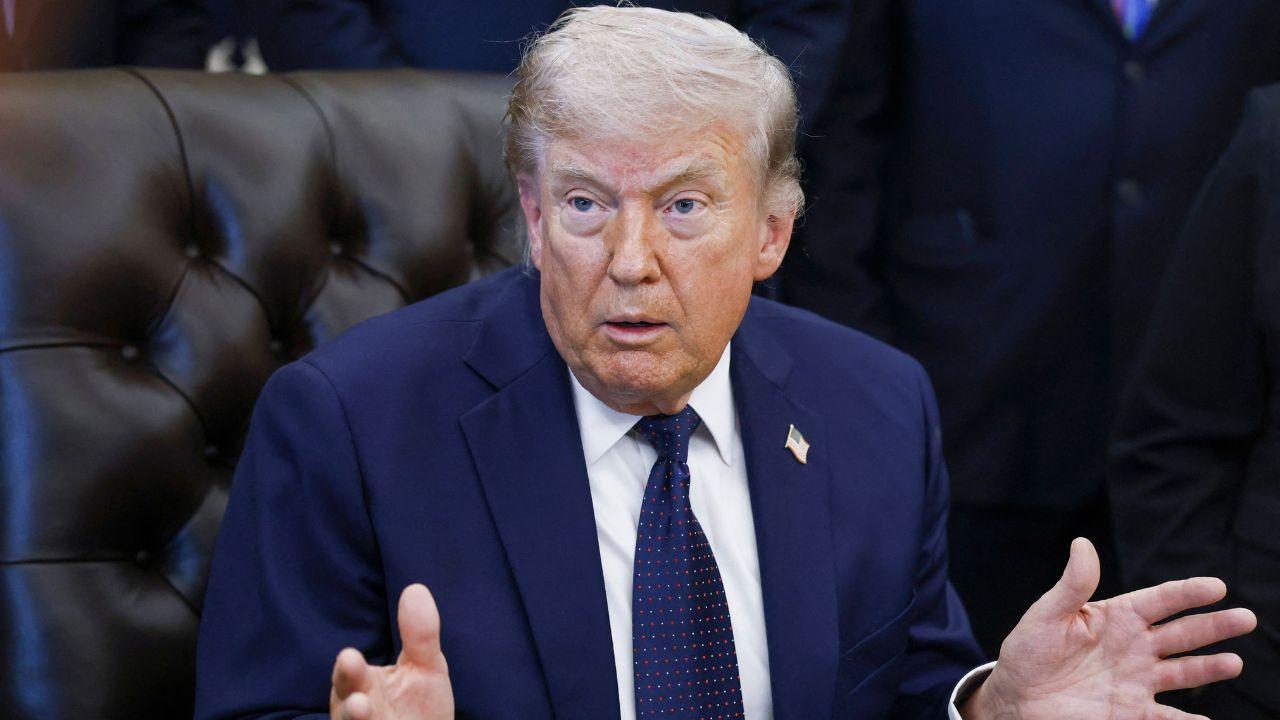
Donald Trump's drug-pricing plan faces accusations of imposing unauthorized financial penalties on pharmaceutical manufacturers.
Under the rule, companies could face civil penalties calculated at 125 percent of certain unpaid rebate amounts, in addition to the rebates themselves. PhRMA contends the penalties are unauthorized and could impose substantial financial burdens on manufacturers.
The group further warns that the pricing system could discourage investment in developing new treatments. Those potential consequences remain allegations advanced by the industry, rather than findings by a court.
The legal challenge follows an earlier Trump administration effort to link Medicare drug payments to international prices.
Administration's Drug Pricing Agenda Heads To Court
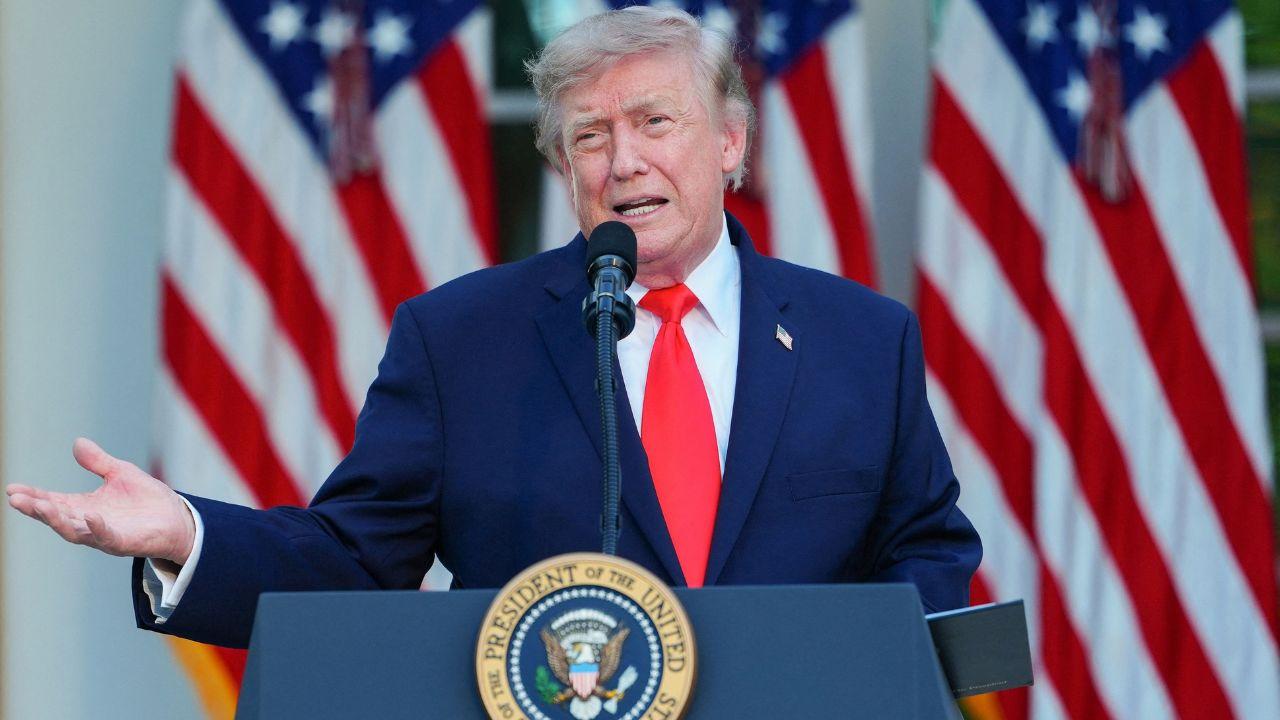
The pharmaceutical industry is asking a federal judge to block Donald Trump's new Medicare rule.
Federal judges blocked that 2020 initiative amid procedural challenges, and the government later withdrew the rule. The administration's latest program is scheduled to take effect November 30, 2026.
PhRMA is seeking emergency judicial intervention before implementation, arguing that federal officials are attempting to exercise powers Congress never granted them.
The case now places the legality of Trump's latest Medicare pricing initiative before a federal judge, with drugmakers seeking to halt the program before it begins.