
 ENTERTAINMENT
Elizabeth Banks Sparks Debate With 'Hunger Games' Dig at ‘White Women Voters’

Elizabeth Banks sparked backlash after invoking ‘Effie Trinket' in a political critique.

April 21 2026, Published 10:30 a.m. ET


Elizabeth Banks knows the power of a cultural reference, but her latest one is proving just as polarizing as it is recognizable.
While promoting her new series The Miniature Wife, the Hunger Games actress sparked debate after invoking her character Effie Trinket to criticize women voters.

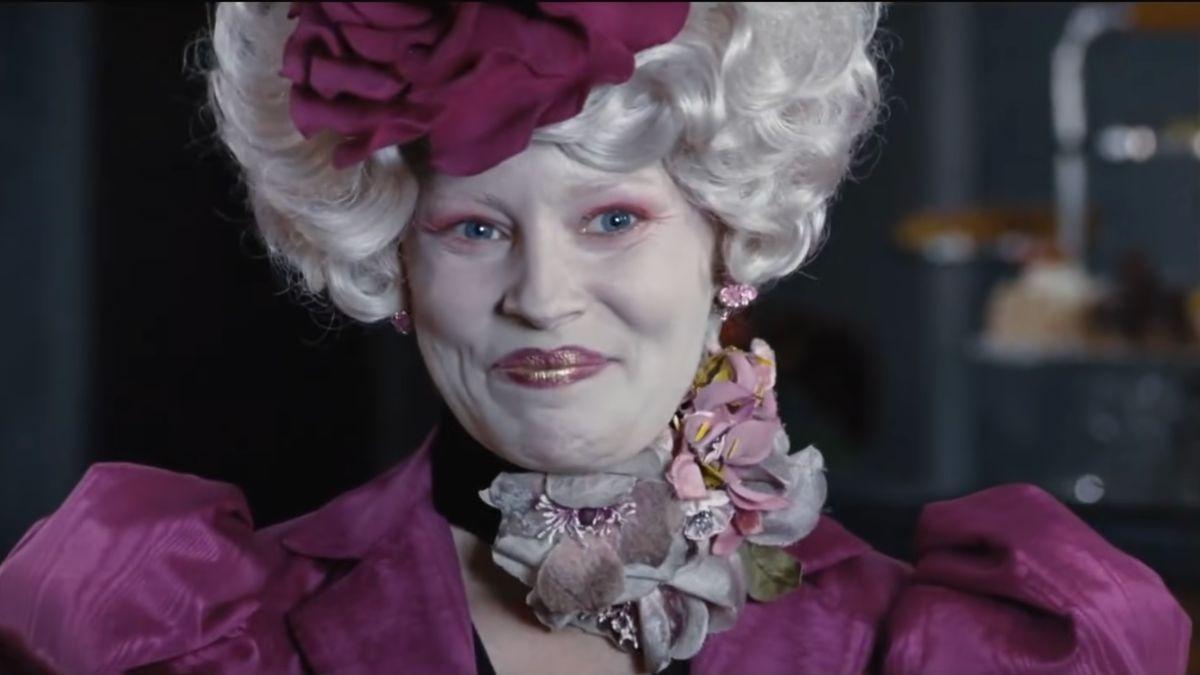
The actress compared women voters to her ‘Hunger Games’ character during a podcast appearance.
“I don’t understand the 53 percent of white ladies that didn’t vote for Kamala. What were you thinking?” Banks said during an appearance on Bustle’s “One Nightstand” podcast before pointing to Effie’s arc as a moral model. “Effie is the model, guys. She’s the model.”
Turning Effie Trinket Into a Political Metaphor
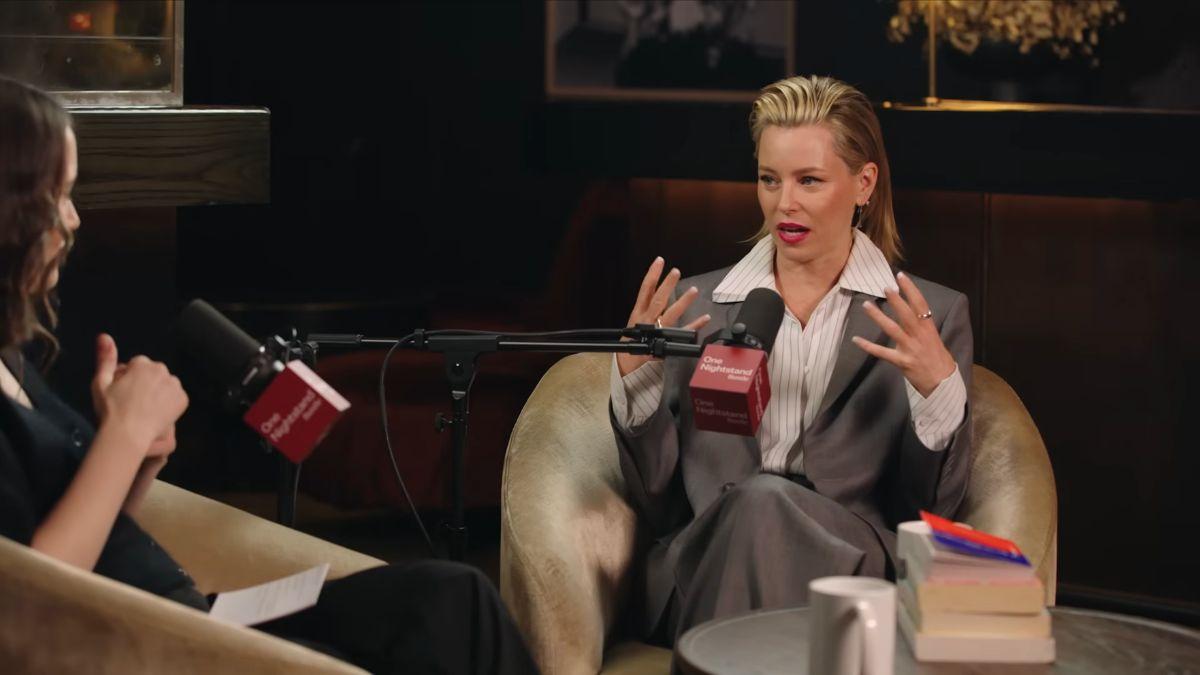
She previously used the same character to slam on Donald Trump's political persona.
Banks’ argument leaned heavily on a character fans already know: Effie Trinket, the flamboyant Capitol insider who gradually becomes sympathetic to the rebellion in The Hunger Games series.
“I think in Catching Fire when she’s like, ‘I wanna be part of this team.’ And you really see her struggling, and then by the end, she’s like a revolutionary,” Banks explained. “You know, she gets turned by the events of it.”
Banks has previously used the character to critique Donald Trump during the 2016 Democratic National Convention, comparing his political persona to Effie’s exaggerated Capitol theatrics.
- Jennifer Lawrence Hits Back at Claims She Isn't 'Educated' Enough to Produce Documentary About the Taliban's Mistreatment of Women
- Rachel Zegler Apologizes for Trashing Donald Trump Voters After Megyn Kelly Labels Her a 'Pig' for Hateful Election Comments
- Jean Smart Blasted for Getting Teary-Eyed While 'Spewing Woke Nonsense' at the 2026 Golden Globes: 'She Might Be the Problem'
Want OK! each day? Sign up here!
Why Pop Culture References Hit — or Miss
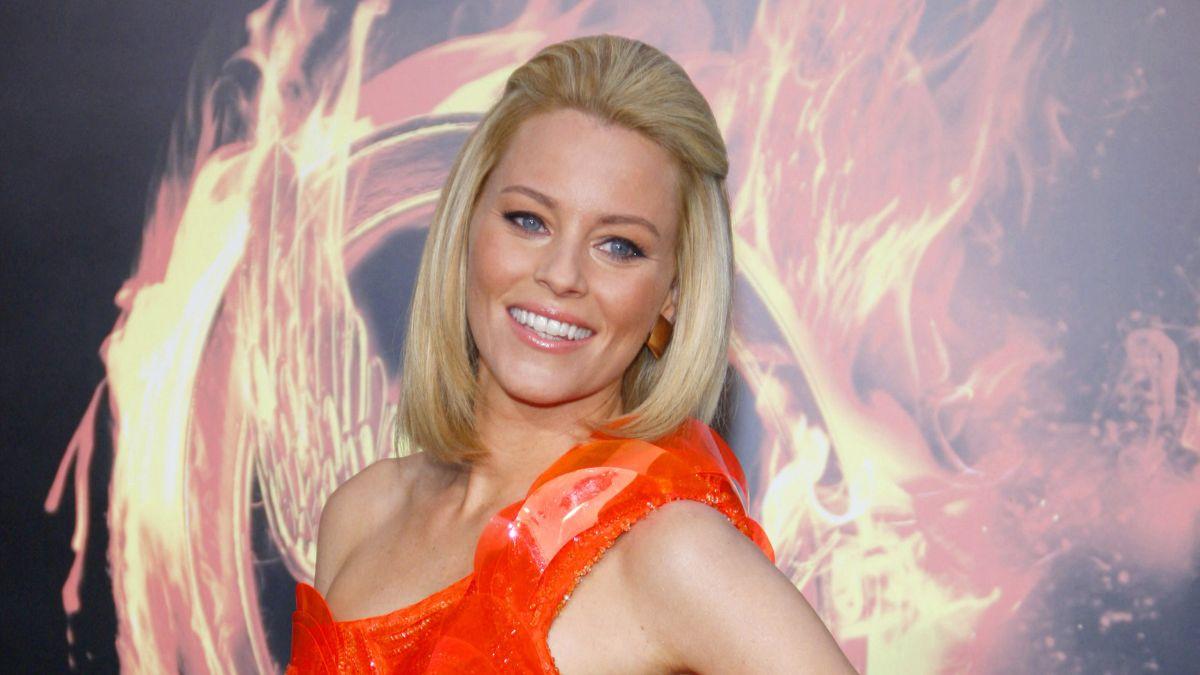
She leaned on the pop-culture metaphor to deliver a message that divided audiences.
“Here's the thing about pop-culture metaphors in politics, they work because they skip the lecture and go straight to the feeling,” said Amore Philip, Founder of Apples and Oranges Public Relations. “When Elizabeth Banks pulled in the Hunger Games reference, she wasn't explaining a political position, she was handing people a story they already knew and loved.”
That emotional shorthand can be powerful, but it comes with risks.
“Fandom language is tricky,” Philip added. “It pulls in the people who are already with you and immediately puts off everyone else. Not everyone has seen the Hunger Games, and plenty of people who have don't want to see it turned into a political statement.”
The Cost of Blurring Actor and Activist
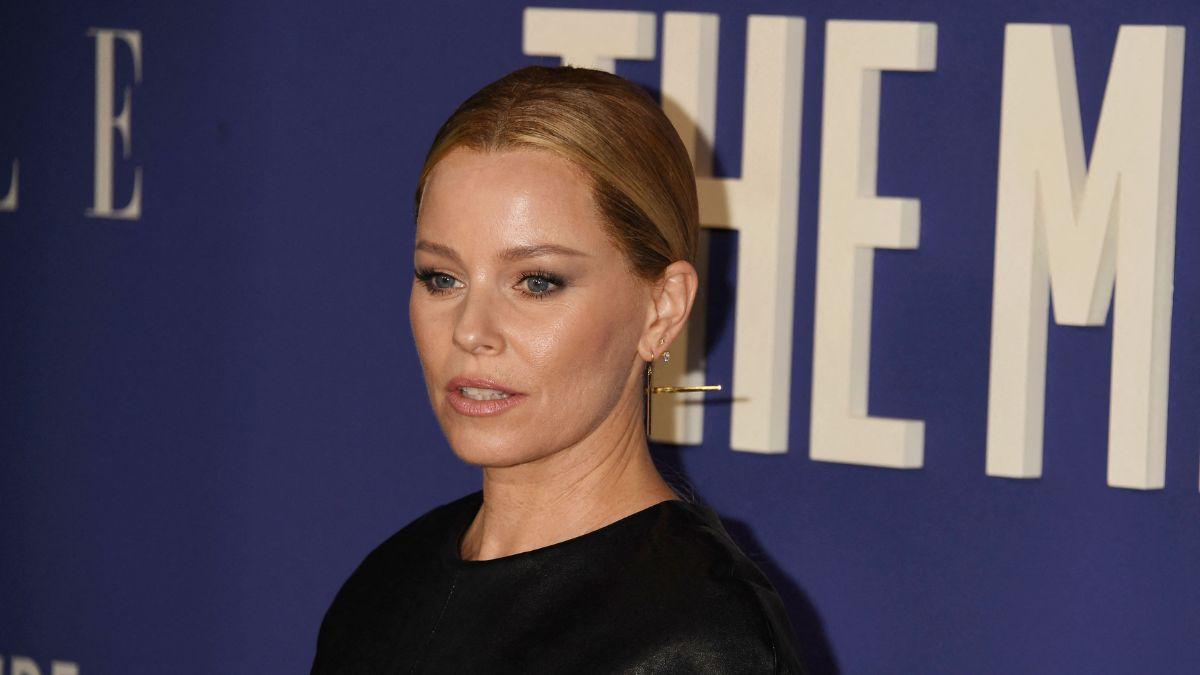
The controversy highlighted tensions between celebrity activism and fan expectations.
Banks’ comments also highlight a broader tension that continues to shape celebrity culture: the overlap between on-screen identity and off-screen beliefs.
“Once a celebrity goes there, and once they tie who they are on screen to what they believe off screen, the audience has to make a choice,” Philip said. “Are they here for the actress, or are they here for the activist? Some fans will follow her anywhere. A lot won't.”
That shift, she notes, is often permanent.
Banks, for her part, has never shied away from that dual role. Her career has increasingly blended entertainment with advocacy, whether through public appearances, endorsements, or commentary tied to her most recognizable roles.
Still, the reaction to her latest remarks underscores how little control public figures ultimately have once they enter the conversation.
“The only thing more predictable than the backlash,” Philip said, “is the celebrity who caused it acting surprised.”