
 ENTERTAINMENT
‘Golden Bachelor’ Star’s Filler Horror Story Sounds Alarm About Injectables and Long-Term Risks

Amy Kaplan revealed complications after years of filler use.

April 28 2026, Published 8:58 p.m. ET


A reality TV star’s candid confession has quickly turned into a broader beauty conversation. Amy Kaplan, a contestant from the second season of The Golden Bachelor, is speaking out about a years-long struggle with dermal fillers that ultimately led her to undergo a facelift.

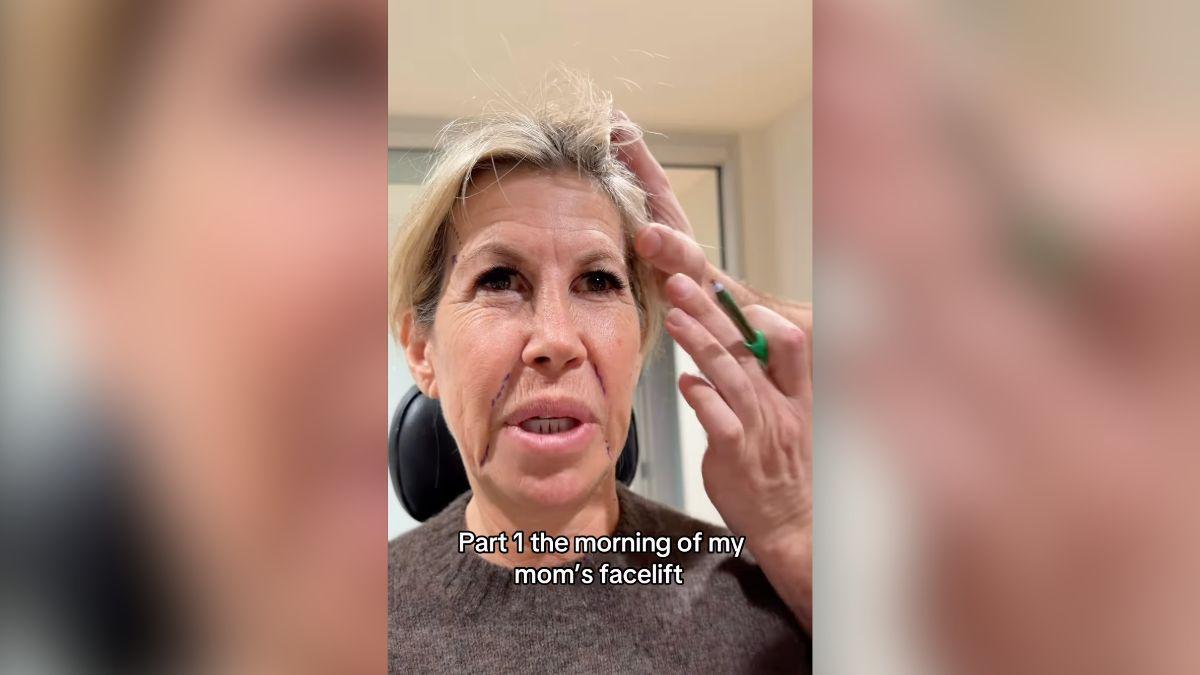
The reality star described a severe reaction following filler dissolution.
Kaplan, 64, revealed on “The Bachelor Happy Hour: Golden Hour” podcast that after years of subtle Botox and filler use, complications emerged following a severe case of COVID in 2020. What had once been routine maintenance suddenly shifted when filler in her cheeks and temples appeared to migrate.
When she attempted to dissolve it, the outcome was far from what she expected. “For some reason, I had a systemic reaction, and everything started sagging,” she said. “It was really scary.”
When Filler Doesn’t Fade as Expected
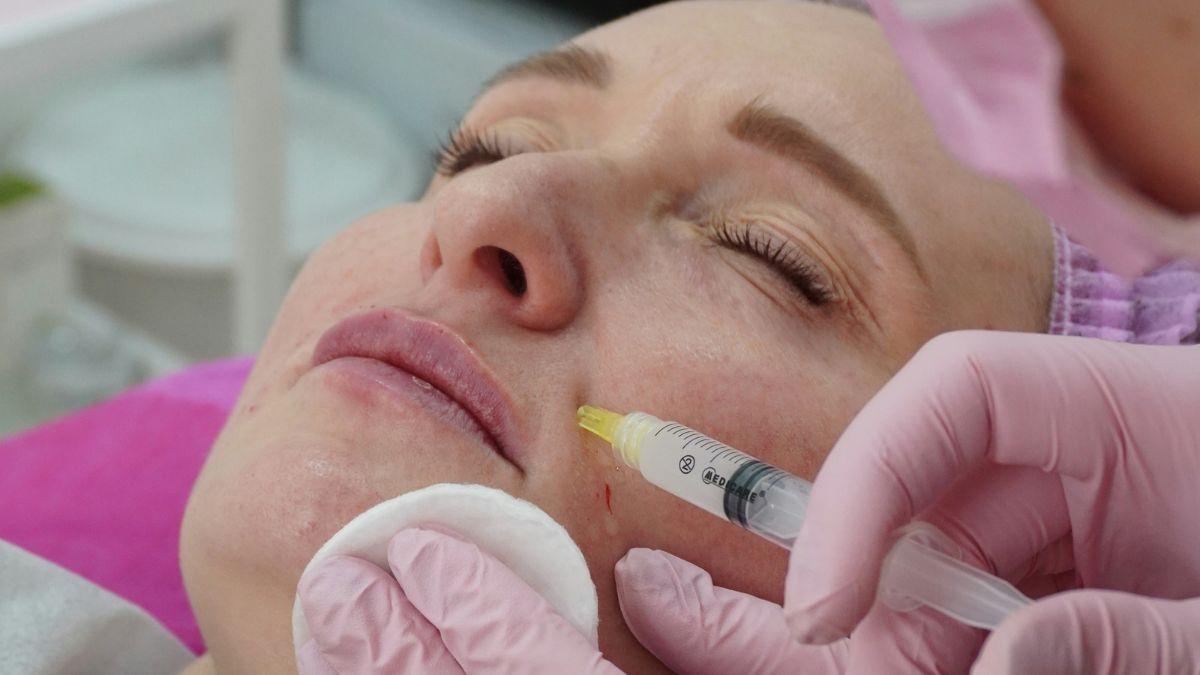
Surgeons reportedly discovered lingering filler years after injections.
Kaplan’s experience has resonated in part because it challenges a widely held assumption: that hyaluronic acid fillers naturally break down over time. During her facelift, her surgeon reportedly discovered “clumps of filler” still present years after her last injections.
“He said he found clumps of filler, and I have not done filler for 10 years,” Kaplan said. “He took chunks of it out, and I’m so much better.”
She was blunt in her takeaway. “Filler does not go away. I don’t care what anybody says.”
That claim is debated within the aesthetics industry, but experts acknowledge that dissolving filler is not always straightforward. Jennifer Townsley, BSN, RN, a master injector and Allergan trainer and owner of The Aesthetics Lab, explains that while hyaluronic acid fillers can be reversed, the process may require patience.
“Hyaluronic acid fillers have truly been a game changer in facial rejuvenation, and while they can be dissolved with hyaluronidase, patients should understand that it’s not always a one-and-done process,” she said. “Sometimes it takes a few sessions since these products are designed to last and integrate into the tissue.”
- Celebrity Facelift Transformations in Before and After Photos: From Kris Jenner to Denise Richards and More
- Love Island Star Hannah Fields Stuns Fans With Fresh New Look After Rivkin Aesthetics Filler Transformation
- Kelly Ripa's Candid Plastic Surgery Confession: TV Star Reveals Which Cosmetic Procedure She's Had Done on Her Butt
Want OK! each day? Sign up here!
The Warning Signs Patients Shouldn’t Ignore
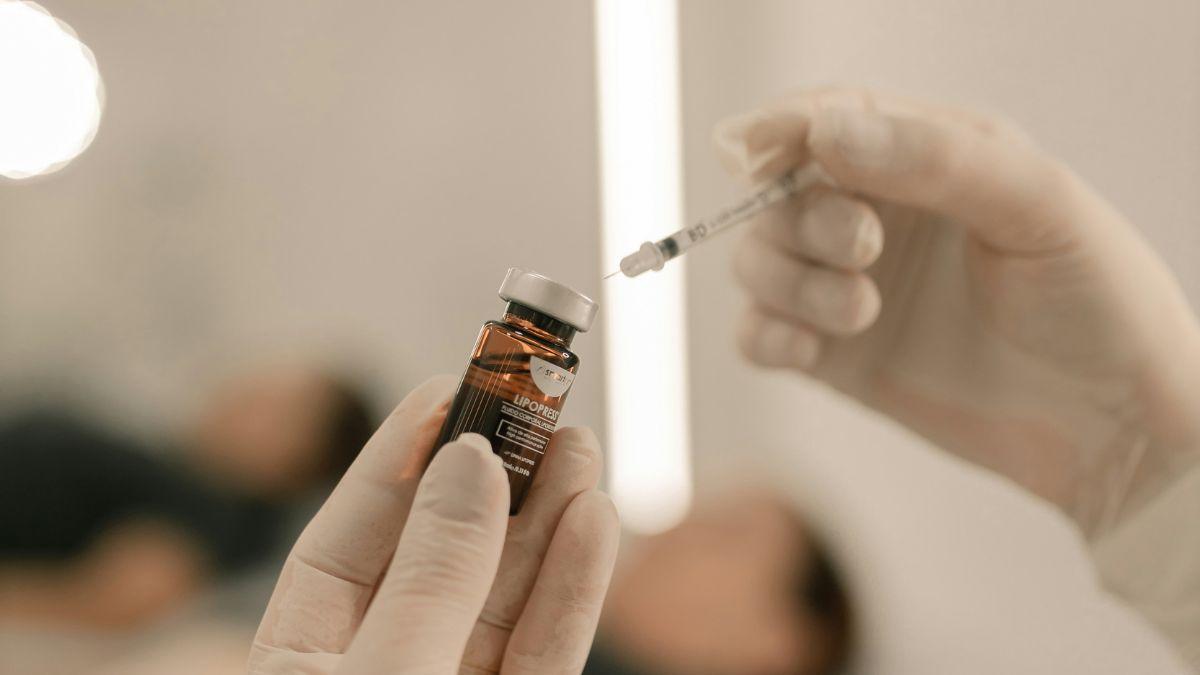
Experts warned that dissolving filler may require multiple treatments.
“Red flags that should never be ignored include increasing pain, skin that turns pale or dusky, any changes in vision, or swelling that continues to worsen,” Townsley said, noting that such symptoms require “prompt medical attention.”
Her advice underscores a growing shift in how patients approach injectables — not just as quick fixes, but as medical procedures requiring careful oversight.
“I always encourage patients to ask their injector about their experience, product choice, and how they handle complications, including whether they have hyaluronidase readily available,” she explained.
A Viral Journey, and a Cultural Shift

Amy Kaplan’s viral journey sparked debate on cosmetic procedures.
Kaplan’s facelift and recovery, documented by her daughters on social media, has drawn millions of views.
“I am who I am and I’m very transparent. And it was actually a fun journey to show other people. And it broke the taboo,” she said.
Kaplan described the outcome as “super, super natural,” adding, “It’s just turning back the hands of time.”