
 Politics
Jimmy Kimmel Roasts Melania Trump's Epstein Denial, Critics Say Late-Night Is Shaping the Narrative

Jimmy Kimmel roasted Melania Trump’s Epstein denial in his monologue.

April 15 2026, Published 7:33 a.m. ET


Jimmy Kimmel isn’t letting Melania Trump’s unexpected Epstein denial fade quietly, and neither, it seems, is the broader conversation it sparked.
During his April 9 monologue, the late-night host zeroed in on the first lady’s surprise White House statement, where she insisted she had “never been friends with Epstein” and had “never had any knowledge of Epstein’s abuse of his victims.”

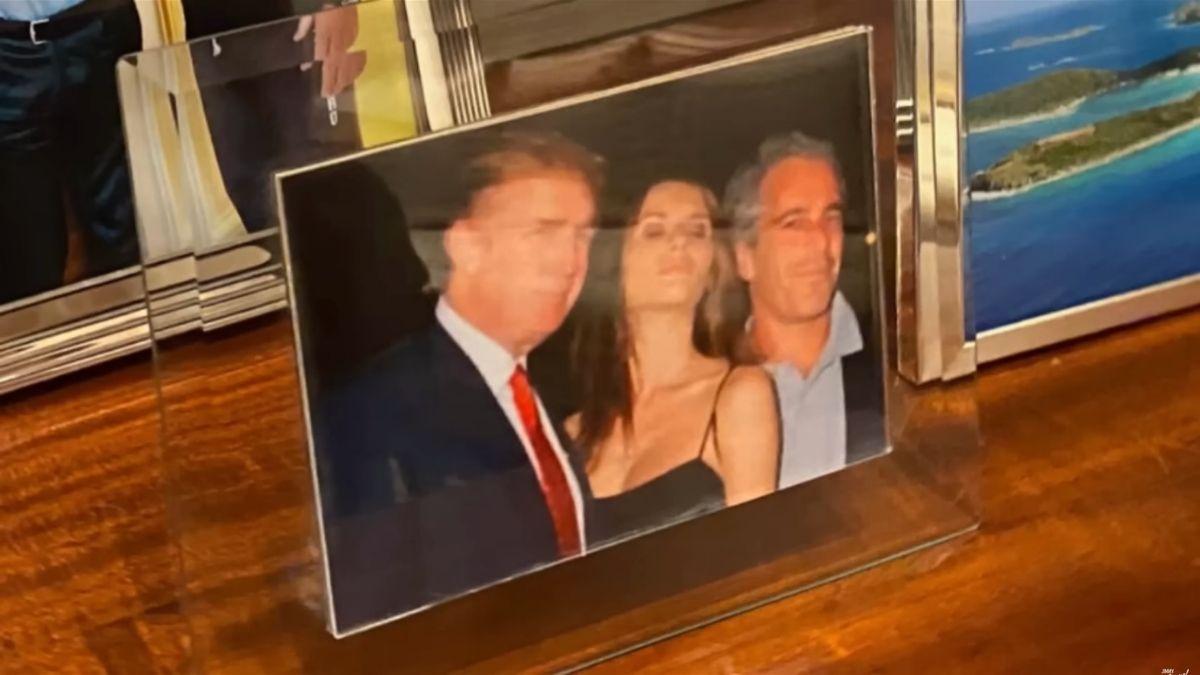
A photo of Donald Trump, Melania Trump and Jeffrey Epstein was used to question inconsistencies.
Kimmel responded by airing a widely circulated photo of Donald and Melania Trump posing with Epstein, then quipped: “By the way, while you’re explaining how much you didn’t know Epstein, any particular reason you can think of that he had a picture of you guys on display at his house? Maybe this is the photo that came with the frame, I don’t know.”
He continued: “I, for one, when I see this, I think, well, these two don’t know each other at all.”
A Joke That Reframes the Story
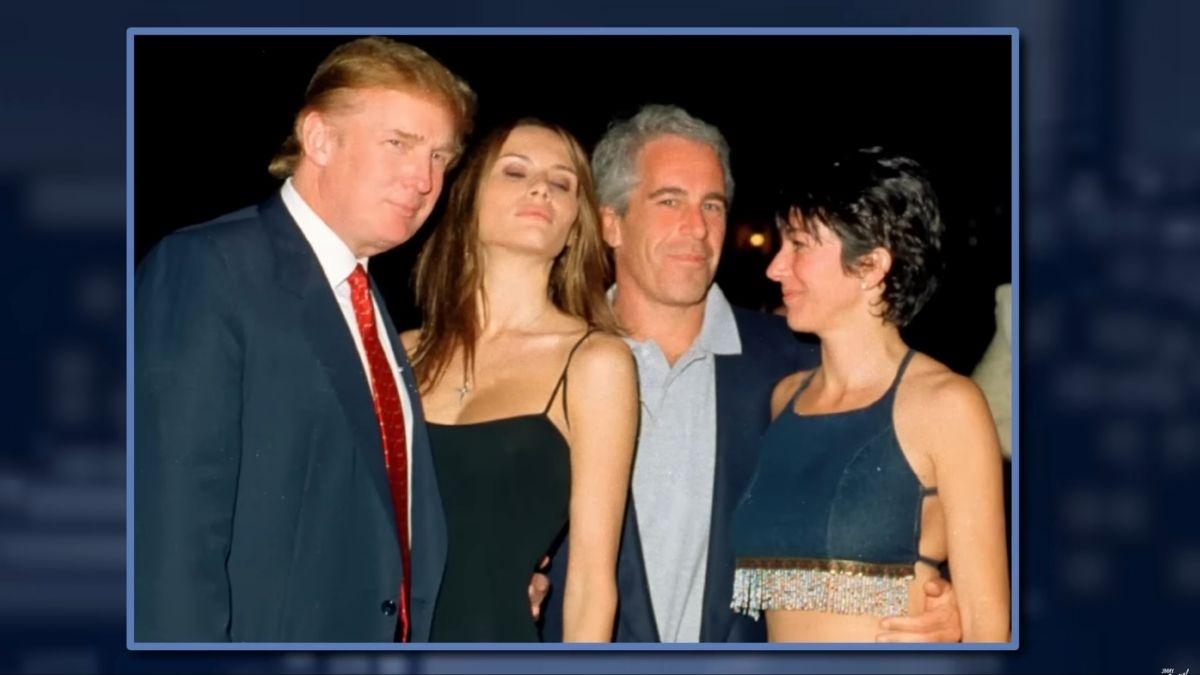
The late-night host framed the denial as raising more questions than answers.
“Late-night hosts like Kimmel decide which stories stay in the conversation by choosing what to revisit,” explains media analyst and crisis communications expert Kaivan Shroff explains. “The most influential comedic frame here is the inconsistency. Once the takeaway becomes ‘this doesn’t add up,’ audiences start filtering every new detail through that lens.”
Kimmel leaned into that framing again when addressing reports that Donald Trump didn’t know his wife planned to speak publicly.
“He didn’t know she was going to do it before she did it, which shows you just how smoothly things are running over there,” Kimmel said. “She must really hate him. I don’t know how else to explain it.”
According to Shroff, that kind of repetition can quickly cement a narrative.
“Late-night doesn’t create accountability in a formal sense, but it does create narrative momentum,” he notes. “It can sharpen scrutiny, but it can also lock audiences into a single interpretation very quickly.”
Want OK! each day? Sign up here!
When Satire Stops Feeling Like Escape
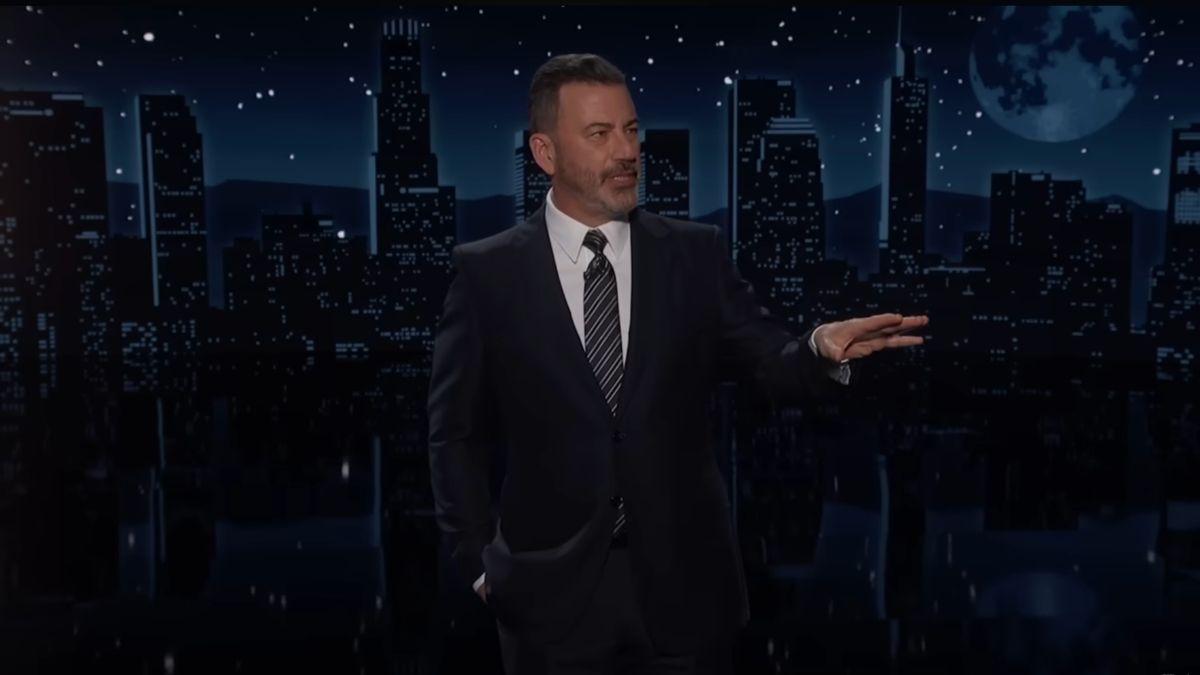
Experts said late-night comedy helped shape public perception of the story.
Not everyone sees that influence as constructive. Communication and body language expert Dr. Lillian Glass argues that the tone of modern late-night has shifted from comedic relief to something more polarizing.
“Kimmel and SNL are fueling the fires,” Glass says. “We are so divisive in this day and age that what they deem as humor is widening the schism. Years ago we could take political satire a lot easier. Now there is nothing funny about it.”
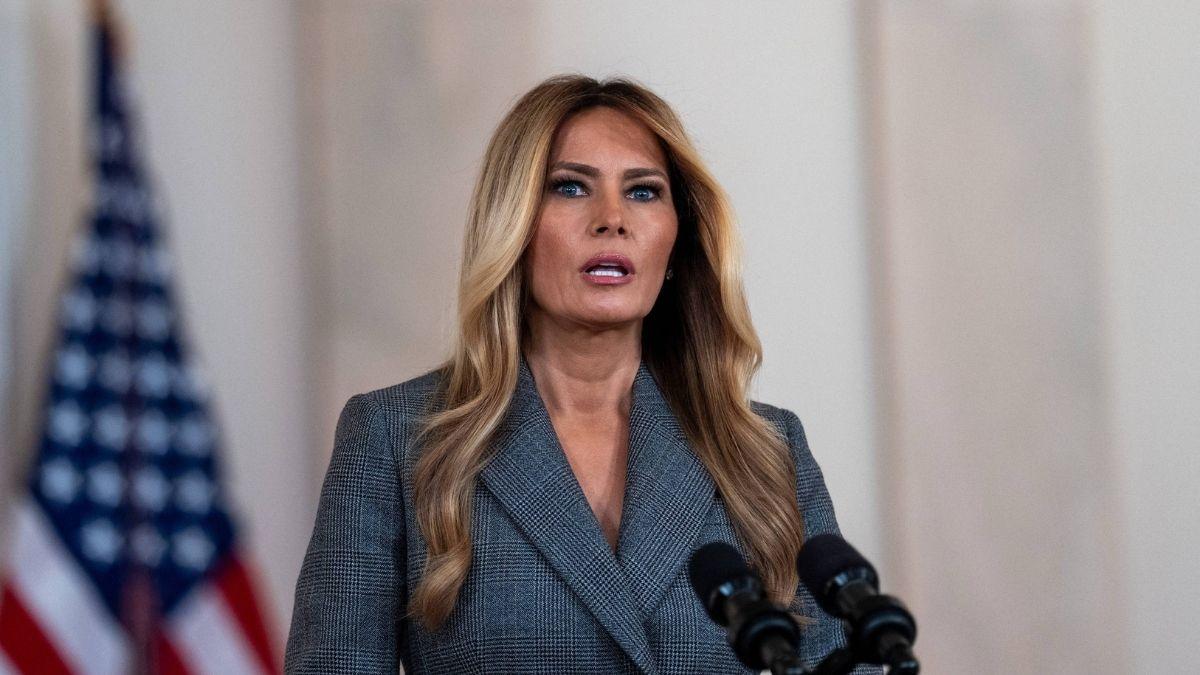
Critics pointed out that the tone influences how the audience responds to satire.
Glass points specifically to delivery and tone, suggesting that audiences are responding not just to the material, but to the perceived intent behind it.
“The body language and tone of Kimmel is so filled with animosity that it becomes not only unpleasant to watch but not entertaining and not funny anymore,” she says. “We get the predicted punch line that will always result, which is that he hates Trump.”