
 Politics
Jimmy Kimmel and Seth Meyers Torch 'Petty' Donald Trump Over Robert Mueller Death Comments: 'So Deeply Childish'

Jimmy Kimmel and Seth Meyers criticized Donald Trump’s post about Robert Mueller’s death.

March 26 2026, Published 7:01 p.m. ET


Late-night television turned into something closer to a national group therapy session this week, as Jimmy Kimmel and Seth Meyers delivered blistering monologues responding to President Donald Trump’s celebration of the death of former FBI director Robert Mueller.
Trump wrote on Truth Social, “Good, I’m glad he’s dead. He can no longer hurt innocent people!” The remark quickly ignited outrage and set the tone for a wave of sharply worded responses across late-night.
'He Could Have Just Said Nothing'


Jimmy Kimmel said the president could have remained silent.
“No matter how busy he is, President Trump will always carve out time to be a petty little b***h,” Kimmel said, before contrasting Mueller’s military service with Trump, who “dodged Vietnam.”
Kimmel also took aim at Trump allies defending the post, including Treasury Secretary Scott Bessent, who suggested the president deserved sympathy.
“The thing about this is the thing that makes it so deeply childish is Trump didn’t have to say anything,” Kimmel said. “He could have just said nothing… He could have kept his mouth shut.”
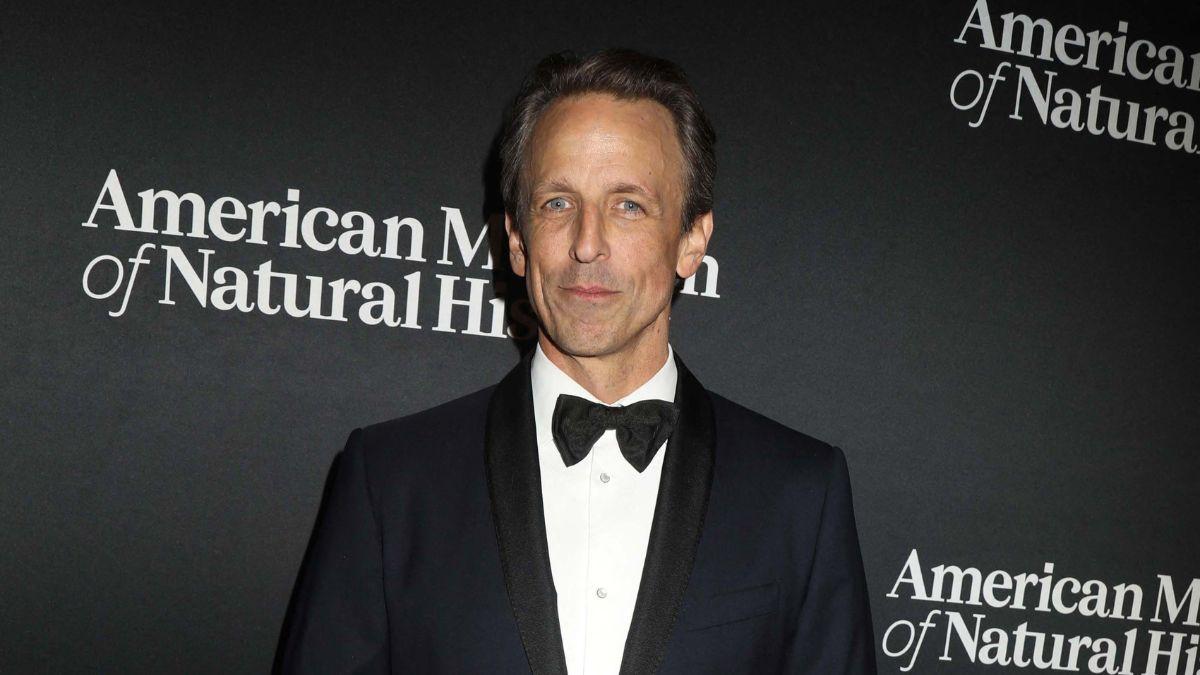
Seth Meyers mocked calls for empathy after Donald Trump’s comments drew backlash.
Seth Meyers struck a similar tone. “Now, you might expect the president of the United States to show some decorum and decency… but that’s because you forgot Donald Trump was the president,” he said.
Meyers reserved particular frustration for the calls for empathy from Trump’s supporters.“I’m sorry, empathy for the Trumps?,” he said. “What empathy should we have? He just said he’s glad someone died, but we have to tiptoe around his feelings like he’s a rabid dog during a thunderstorm.
”Meyers said the “hypocrisy shouldn’t be surprising.”
“This is MAGA in one sentence: ‘Empathy for me, but not for you.’”
- Jimmy Kimmel Slams 'Petty' Donald Trump for Celebrating Robert Mueller's Death: 'Something's Wrong With Him'
- Jimmy Kimmel Bashes 'Shameful' Donald Trump for Wearing Baseball Cap During Tribute to Fallen Troops: 'God Forbid He Just Do It Respectfully'
- Donald Trump's 'Late-Night Morons' Attack Becomes Jimmy Kimmel's Latest Punchline
Want OK! each day? Sign up here!
Late Night As Cultural Processing
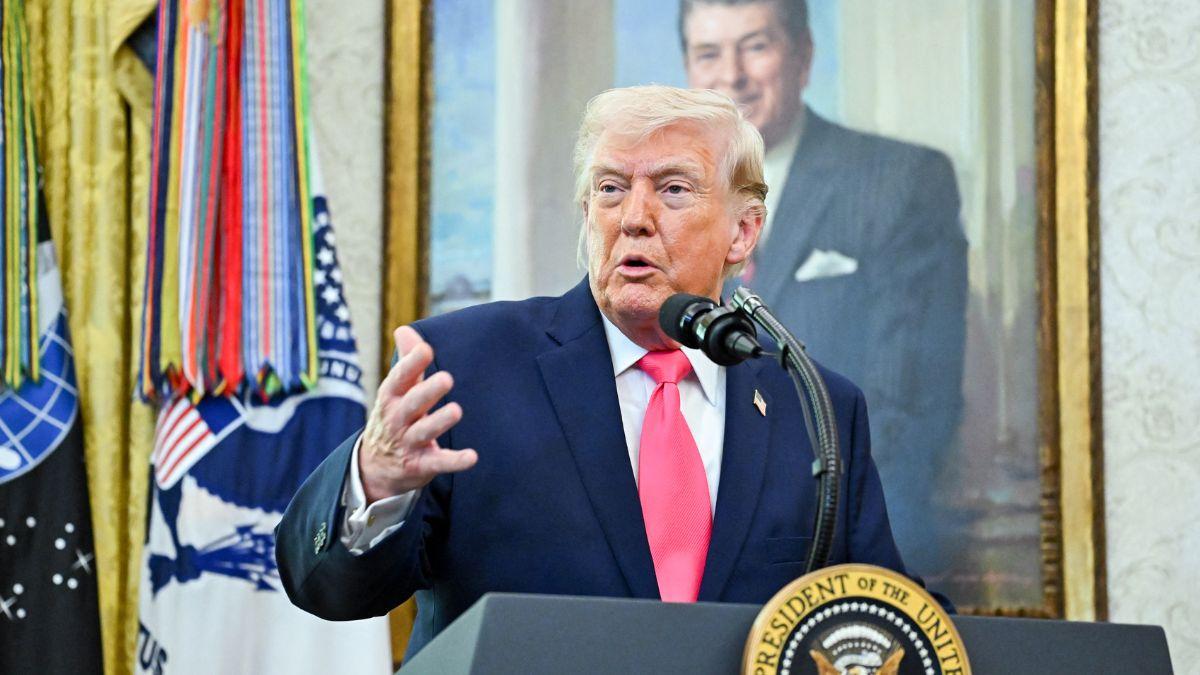
Experts said late-night hosts help audiences process political events.
“As late-night increasingly functions as a kind of cultural processing space, even group therapy, hosts like Jimmy Kimmel and Seth Meyers are stepping into a role closer to that of a therapist,” says psychotherapist Jonathan Alpert, author of the forthcoming book Therapy Nation. “They're no longer just telling jokes, they’re helping audiences process political events in real time.”
The speed and intensity of the response also reflect how audiences engage with viral late-night clips.
“Emotional precision is what makes a monologue go viral today,” Alpert explains. “The lines that travel are the ones that capture what people are already feeling but haven’t quite articulated.”
That dynamic becomes especially pronounced when political figures attempt to reshape the narrative.
“When officials ask for ‘empathy’ in these moments, the public often hears something different: a request to soften judgment for someone in power without clearly acknowledging the original issue,” Alpert adds.
Predictable Backlash
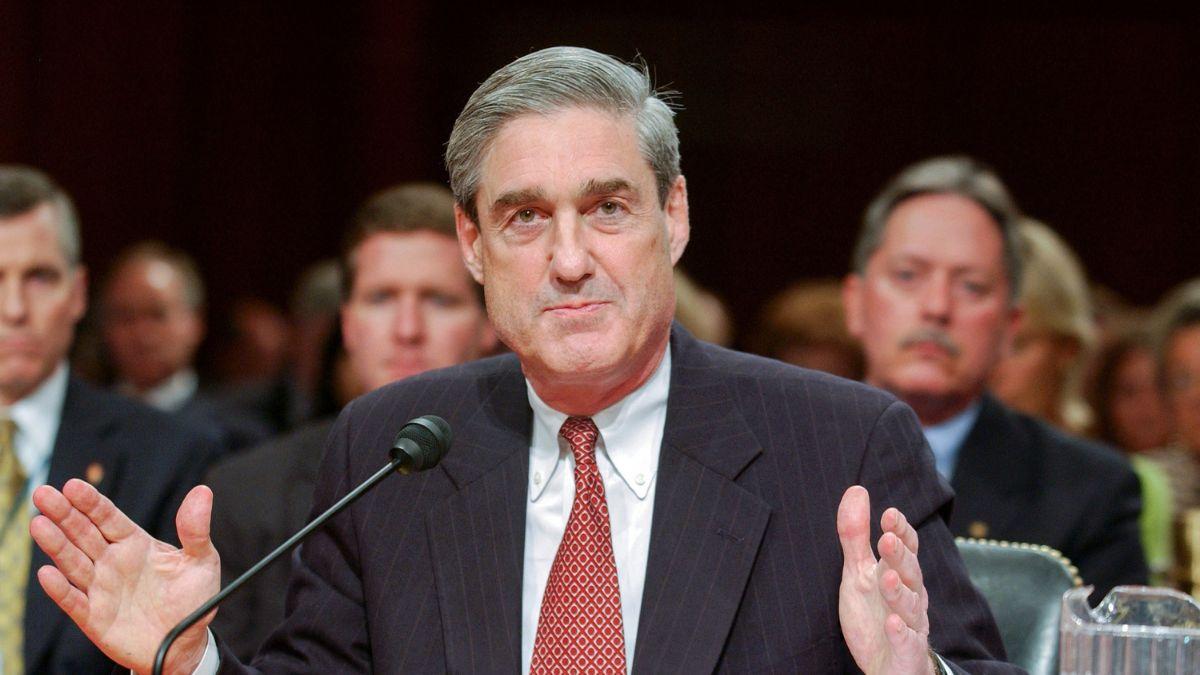
Seth Meyers argued the backlash reflected a wider pattern of political hypocrisy.
Both Kimmel and Meyers made clear that, for them, the issue wasn’t just the initial comment — but the response that followed.
“What’s really galling to me is when Trump’s cronies demand that we have limitless patience and understanding for him, even though he has none for anyone else,” Meyers said.
“When a president’s remarks trigger backlash, surrogates move quickly to reframe the story, often shifting the focus from what was said to how we should feel about the person who said it,” Alpert says. “It’s an attempt to regulate the public’s emotional response. But that’s also why it often backfires.”