
 NEWS
NEWSJimothy the Raccoon Is Real, But His Viral AI Adventures Are Fooling the Internet

Jimothy the raccoon became an internet sensation after a viral video.

Aug. 4 2026, Published 7:29 a.m. ET


Jimothy the raccoon is real. The internet just keeps making him do things he never did.
The unusually compact Seattle raccoon went viral after Kiana Hall, a 33-year-old marketing specialist, filmed him near the Ballard Goodwill on July 13. She posted the clip to Instagram the next day and named him Jimothy.

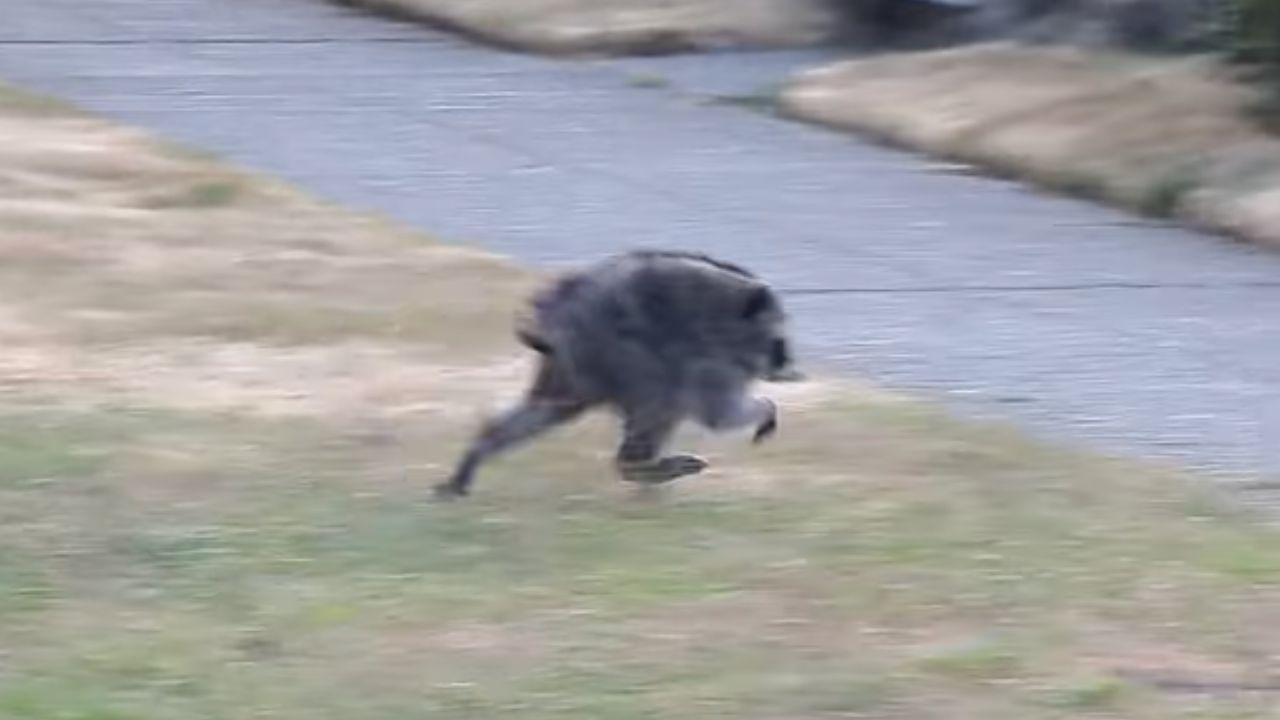
Wildlife experts explained the raccoon likely had short spine syndrome.
By July 18, the original video had more than 7 million views. Wildlife experts explained Jimothy likely has short spine syndrome, a condition that can affect some animals. Then the remix machine took over.
A Real Raccoon Becomes a Digital Character
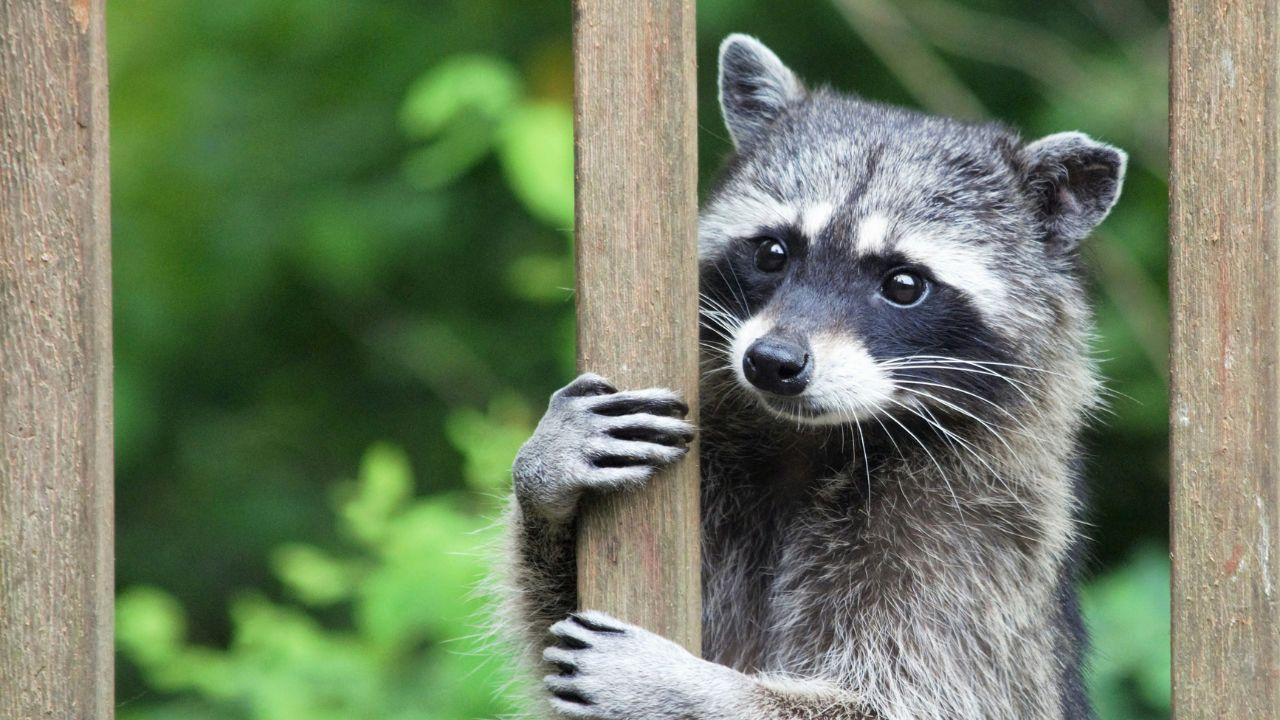
AI-generated videos placed Jimothy the raccoon in fictional adventures online.
Jimothy’s unusual shape and gait made him instantly memeable. Within days, he had inspired a mural, tattoos, fan art and a dedicated following on Reddit’s r/Seattle.
The Seattle Mariners added a Jimothy mascot to their Salmon Run race at T-Mobile Park, and Google created an Easter egg that sends an animated Jimothy across the screen when users search his name. The University of Washington gave him an honorary degree, the Seattle City Council recognized him and the White House gave him a shout-out.
But many of the clips now circulating online are not real footage. They are AI-generated remixes placing Jimothy in fantasy settings, video game worlds and cinematic scenes.
- Britney Spears Wears See-Through White Dress After Reuniting With Her Sons: Photos
- Mitch McConnell 'SNL' Sketch May Amplify Health Questions, But It Won't Decide Midterms: Expert
- Brandi Glanville’s Garlic Ear Incident Raises Health Concerns After Attempt to Clear Congestion Left Her Seeking Medical Attention
Want OK! each day? Sign up here!
When Cute Becomes Confusing
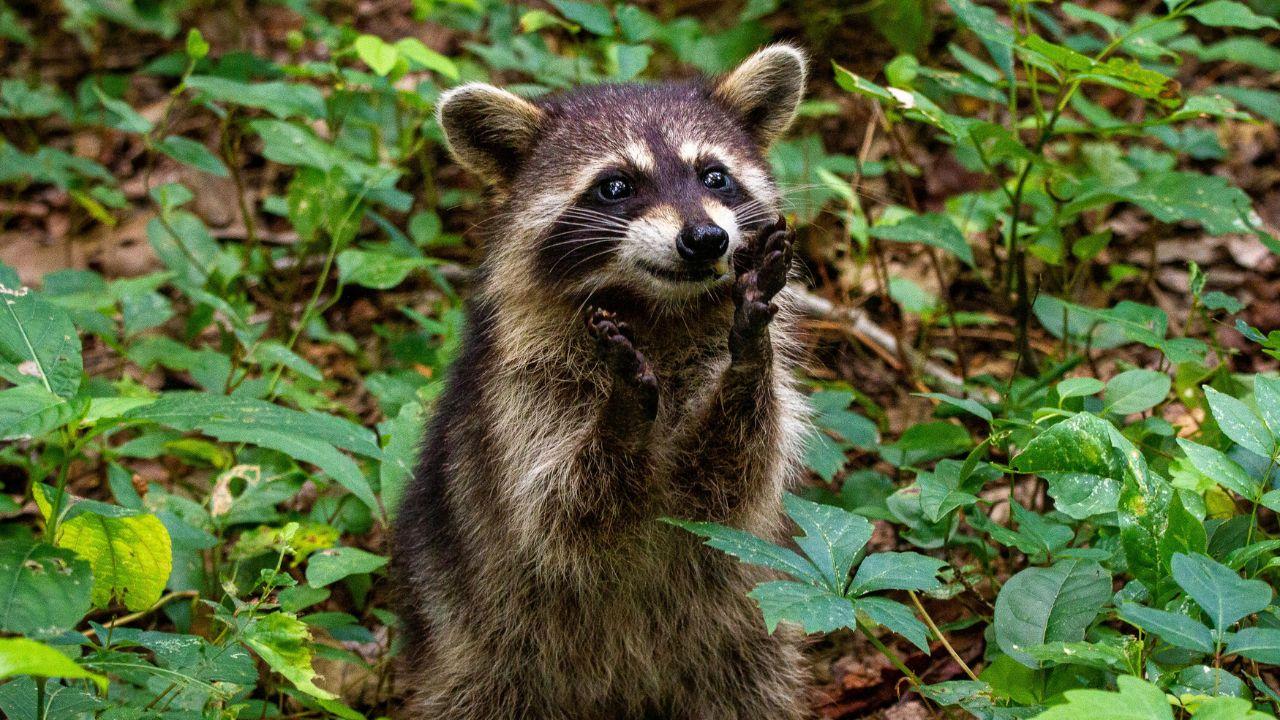
Brands joined the trend with Jimothy-inspired content.
“A cute raccoon clip spiraling into a wave of AI remixes is a perfect small-scale case study for the trust problem coming for all of us,” said Amore Philip, founder of Apples and Oranges Public Relations.
“When a single real moment can be infinitely reskinned by AI, audiences stop asking ‘is this funny’ and start asking ‘is this even real,’ and that erosion of default trust is the real story,” Philip added.
Game companies have joined the trend, too. Blizzard Entertainment rendered Jimothy in the style of World of Warcraft, Jagex did the same for Old School RuneScape, and D&D Beyond released a stat block for tabletop players. A digital Jimothy also appeared in Roku City.
How to Follow the Source
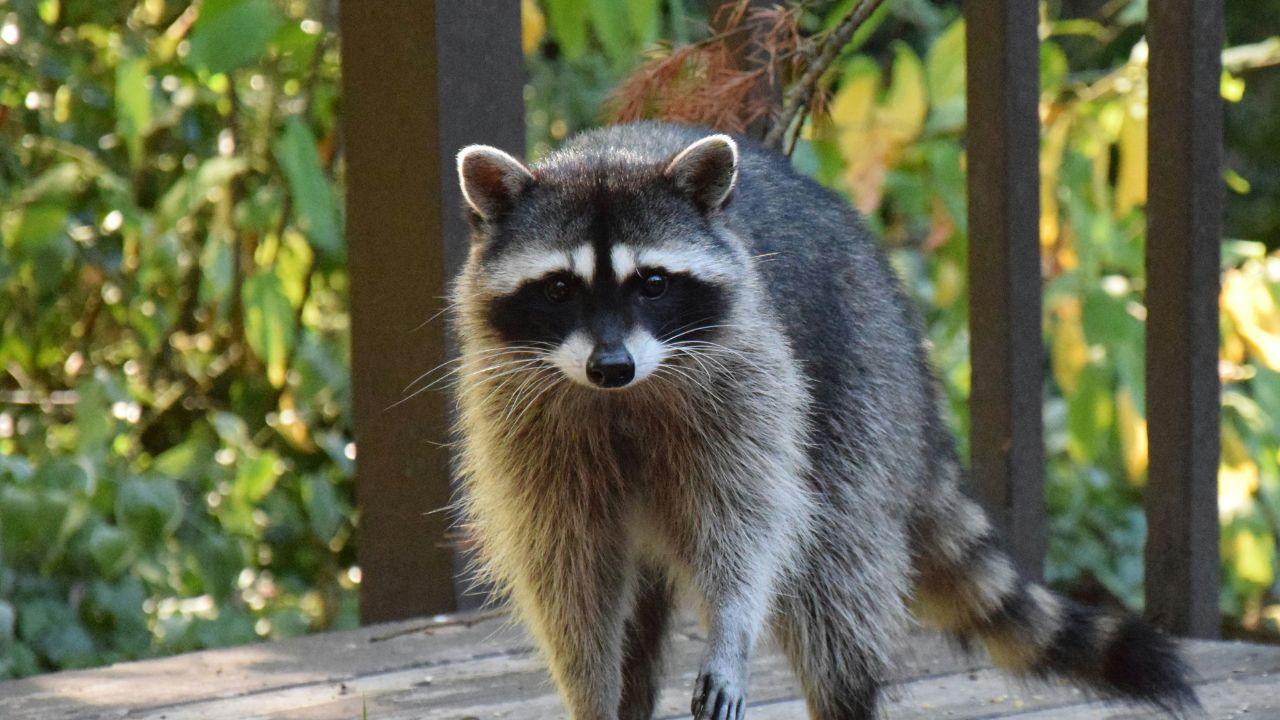
Experts urged viewers to verify AI-generated viral videos.
“AI makes it easier than ever to create. It makes critical thinking more valuable than ever,” said Marva Bailer, founder and CEO of AI-first leadership community Qualaix and author of Be Unexpected.
“The skill has shifted from how to create to how to evaluate,” Bailer added. “Taking a few seconds to ask where a video came from, whether it has been edited, and why it was created is becoming part of digital literacy.”
Philip said brands and creators can still join in, but should label clearly.
“The upside is that these viral remix moments are also free reach,” she said. “The trick is participating with a wink and clear labeling, so you ride the trend without becoming the cautionary tale about what viewers can no longer trust.”