
 NEWS
NEWSJohn Oliver Calls Navy Ship Conditions a 'Floating Nightmare' as Pete Hegseth Denies Crisis

John Oliver criticized Pete Hegseth over reports of worsening conditions aboard Navy ships.

Aug. 19 2026, Published 7:32 a.m. ET


John Oliver turned grim reports from deployed U.S. Navy ships into one of Last Week Tonight’s darker jokes.
On the August 16 episode, Oliver criticized Defense Secretary Pete Hegseth for dismissing concerns about conditions aboard the USS Abraham Lincoln and USS Boxer, where families of sailors have reported dwindling supplies, inadequate food, broken toilets, poor hygiene and maintenance problems.
The reports have also raised concerns about morale and mental health aboard the ships.
A 'Floating Nightmare'


Families of sailors described shortages, poor hygiene and maintenance problems aboard the vessels.
Oliver played a clip of Danielle Rapa, whose son is aboard the Lincoln, describing what he told her about life on the ship.
“He describes the overall experience as a scene out of American Horror Story, where he feels like everybody is dead, but they don’t know it yet,” Rapa said.
“Well, that’s not good,” Oliver cut in.
“If you absolutely have to choose a Ryan Murphy show for your workplace to resemble, the obvious answer is All’s Fair,” he joked. “Yeah, that’s the Ryan Murphy production you’re going to want to be stuck in, not this floating nightmare.”
Pete Hegseth Pushes Back

Pete Hegseth denied claims that U.S. Navy ships and their crews were being neglected.
Hegseth has rejected claims that the ships are being neglected, saying, “every ship, every crew, every captain has everything we can provide at every single moment.”
“If he means to go certifiably insane,” Oliver joked, “I’m inclined to agree with him there.”
Trump also denied that families were worried about sailors at sea, telling reporters, “No, they’re not.”
- John Oliver Ridicules Pete Hegseth for Downplaying Growing Military Crisis on U.S. Navy Ships: 'Floating Nightmare'
- John Oliver Exposes Donald Trump's and Pete Hegseth's 'Lies'
- Jimmy Kimmel Jokes Pete Hegseth Wears 'More Makeup Than Kylie Jenner' as He Pokes Fun at His Looks: 'Secretary of War and Styling Mousse'
Want OK! each day? Sign up here!
The Mental Health Strain
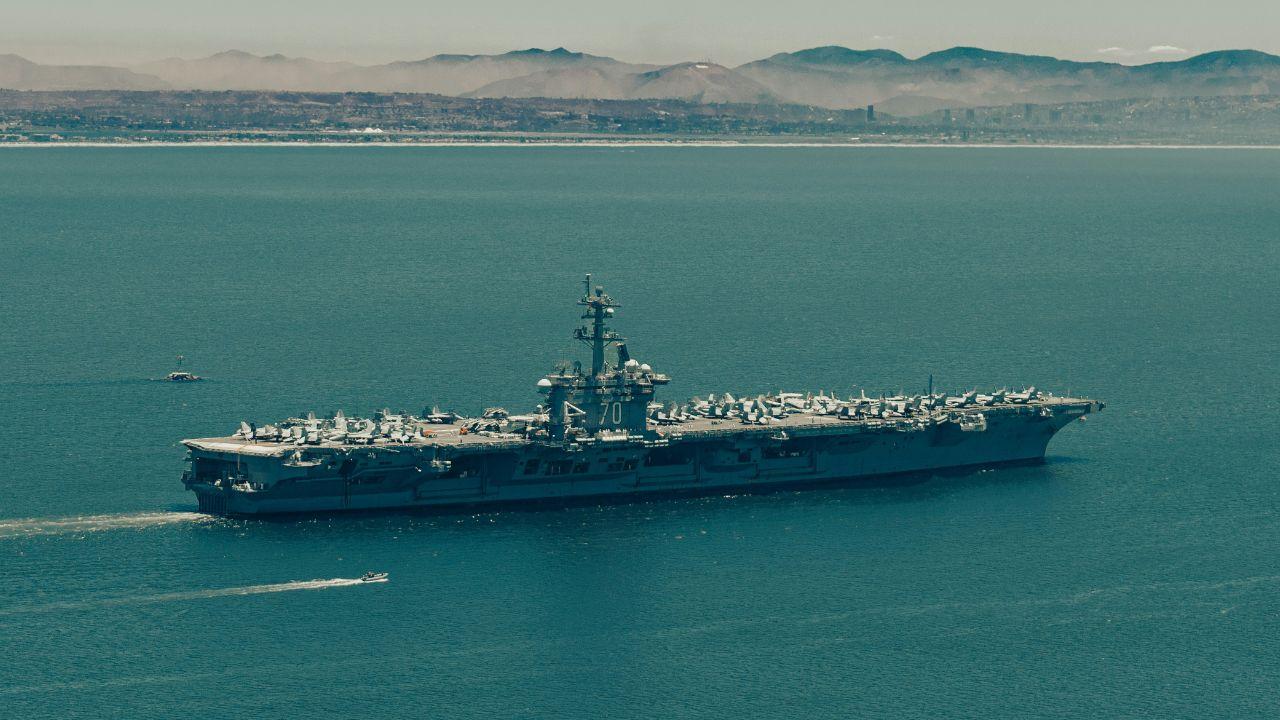
Experts raised concerns about limited access to clinical mental health support for sailors.
“While having any resources is better than none, a single clinical psychologist for thousands of sailors is inherently stretched thin,” said Dr. Jenny Prohaska, a clinical psychologist and founder of Tactical Longevity.
“Chaplains offer crucial support, but it’s not always clinical care. Behavioral health techs have their limits too,” she noted.
“What’s often missing is preparation for psychological resilience before stress hits,” Prohaska explained. “It’s not just about reacting to stress, but developing the capacity to handle it long before it arrives. That’s what’s often overlooked.”
Hardship and Perspective
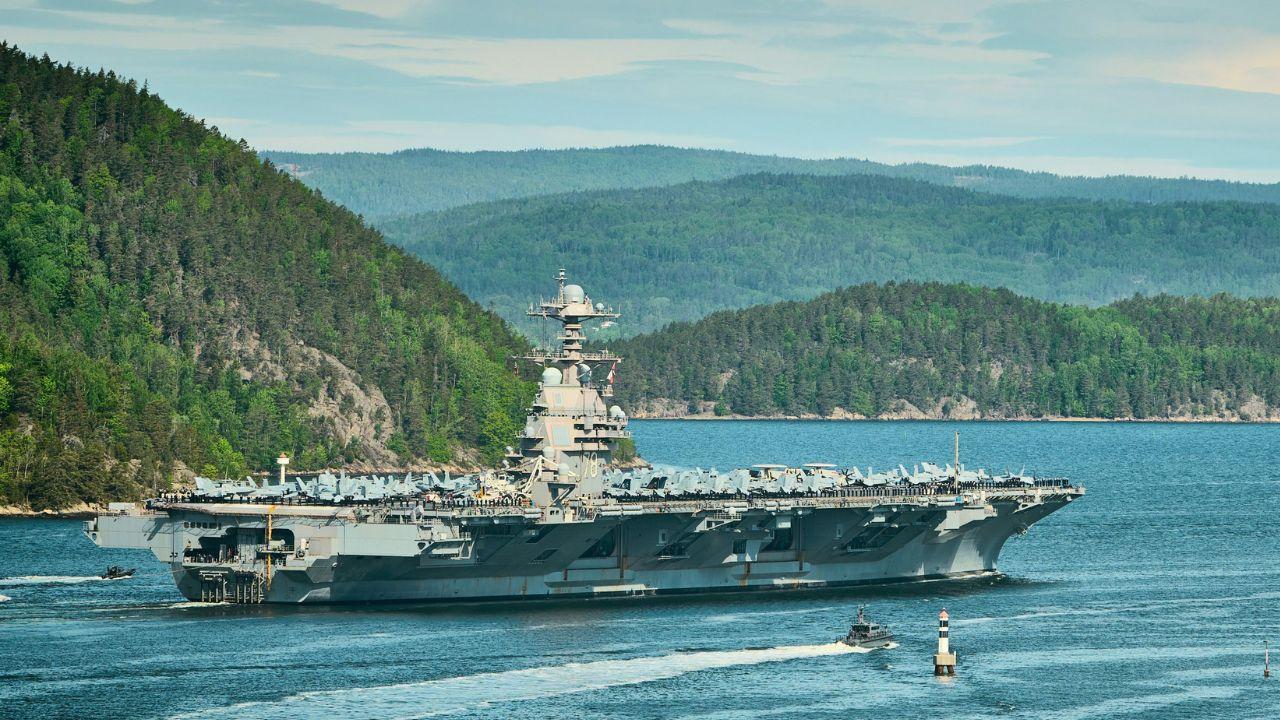
A retired Navy SEAL urged service members to keep difficult conditions in perspective.
Mike Sarraille, a retired U.S. Navy SEAL, Recon Marine, and Scout-Sniper who now serves as the chief talent officer of Overwatch Mission Critical, said “military service has never promised comfort.”
“As a combat veteran, even in the worst conditions, I always tempered the pain of the moment by remembering the generations who came before us,” Sarraille said, invoking those who fought in World War II, the Korean War and in Vietnam.
“Those generations went through h---, but they endured, adapted, and continued to fight because the mission and the men beside them demanded it,” he explained.
“Our troops today are every bit as capable, but when a small percentage complain about harsh conditions, perspective matters,” he added. “Sometimes we need to remember what previous generations endured, reset our perspective, and get back to the mission.”