
 NEWS
NEWSKai Trump Granted Restraining Order After Alleged Stalking Scare

Kai Trump secured a restraining order against an alleged stalker.

May 28 2026, Published 8:22 a.m. ET


Kai Trump, the 19-year-old granddaughter of President Donald Trump, has been granted a restraining order against a man she accused of repeatedly bothering her, marking the latest in a series of unsettling encounters tied to her growing public profile.
A judge in Palm Beach County approved the extended order against 26-year-old Gabriel Garza Jr., barring him from coming within 500 feet of Kai’s home, workplace, and future campus at the University of Miami through May 2027. The ruling follows an earlier temporary order issued in April that prohibited stalking, cyberstalking, or any criminal conduct causing harm.
What the Court Ordered

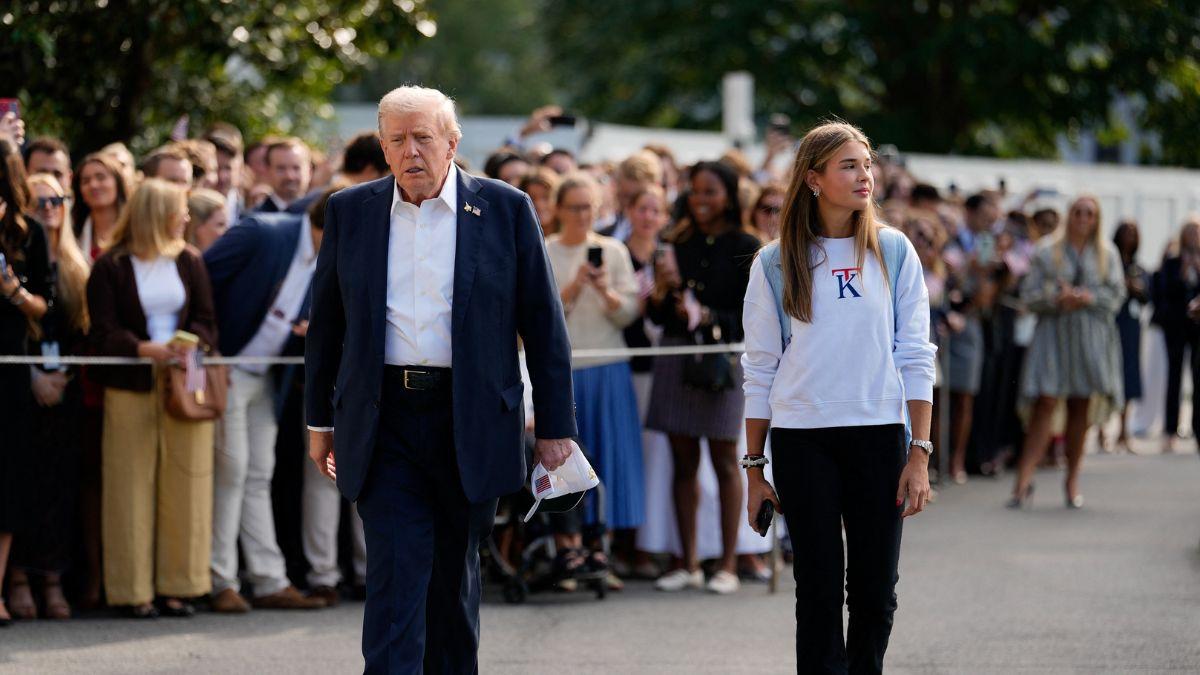
The protective order is extended through 2027.
The restraining order goes beyond basic distance requirements. According to court documents, Garza is also prohibited from attending any events where Kai is present and must surrender any firearms.
Legal experts say such broad restrictions are common, and often issued quickly.
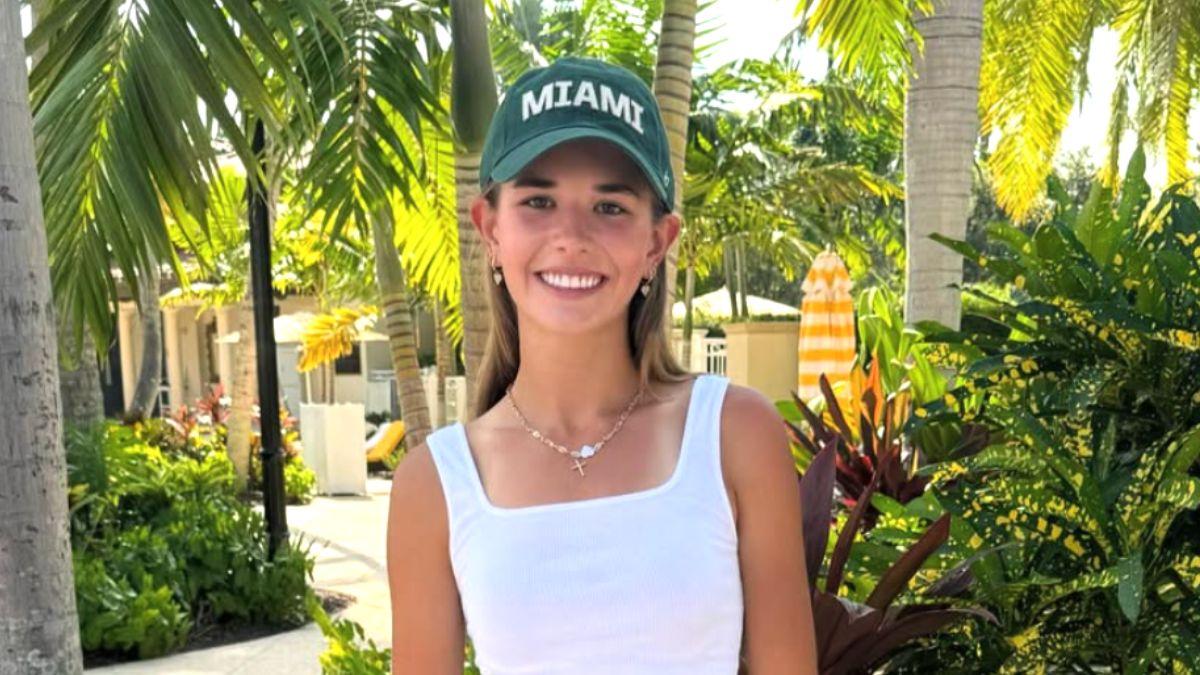
The accused is barred from attending Kai Trump’s events.
“Restraining orders are civil in nature. That means there is a lower burden of proof than a criminal case,” said Randall M. Kessler of Kessler & Solomiany, who is not involved in the case. “The victim simply needs to prove the harassment or stalking or valid threats by a ‘preponderance of the evidence.’”
Kessler added that courts often act swiftly in these cases, sometimes issuing temporary orders before the accused has a chance to respond, with a full hearing scheduled later.
- Donald Trump’s Granddaughter Kai’s Stalker Drama Resolved: Teen Granted Restraining Order Against Alleged 26-Year-Old Homeless Man
- Kai Trump's Fans Cause Major Secret Service Security Panic at Golf Tournament: 'There's a Lot of Wackos'
- Kai Trump, 18, Is Taking 'Advantage' of Social Media Stardom Since She 'Likes' the Perks of 'Being a Celebrity': Sources
Want OK! each day? Sign up here!
Why Public Figures Often Seek Protection
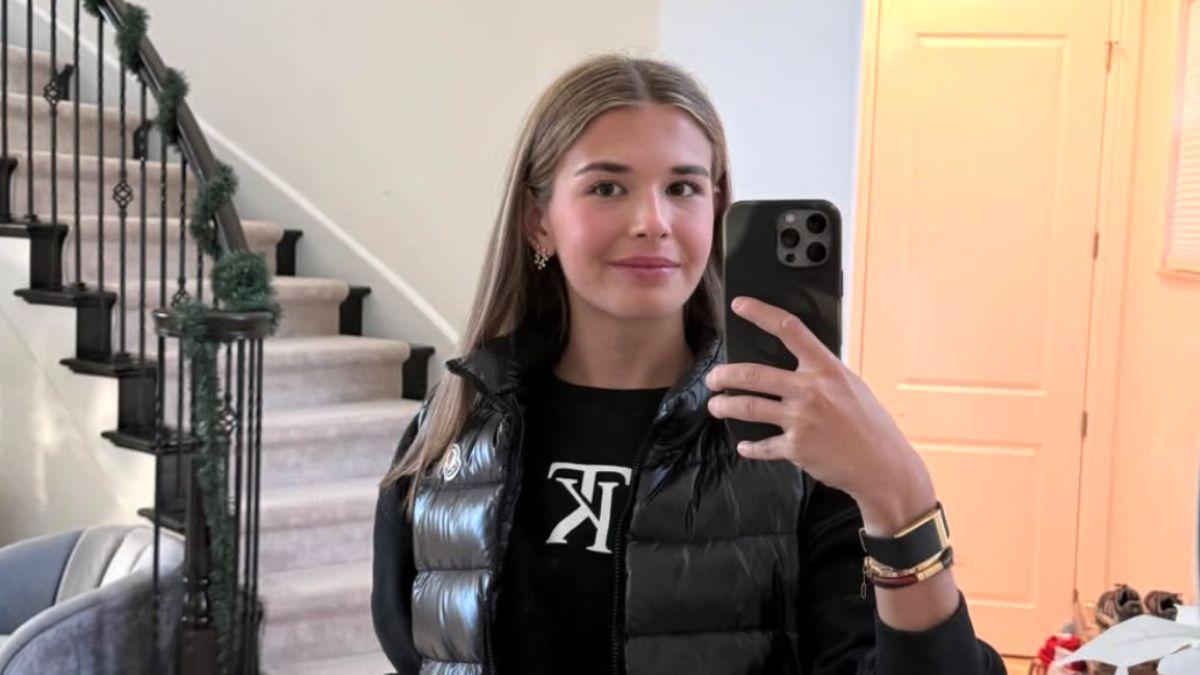
Legal experts explained how cyberstalking is more common now.
For high-profile individuals like Kai, alleged harassment frequently plays out both in person and online.
“Cyberstalking is actually becoming more common than in-person stalking,” Kessler noted, adding that digital behavior alone can justify a protective order.
“Cyberstalking typically involves willfully and repeatedly communicating words or images through electronic means, causing substantial emotional distress, and that the conduct has no legitimate purpose,” explained attorney Michael A. Gottlieb, who is not involved in the case.
“That is usually why somebody in the public light will get a restraining order when somebody is constantly harassing them for no reason.”
A Pattern of Security Concerns
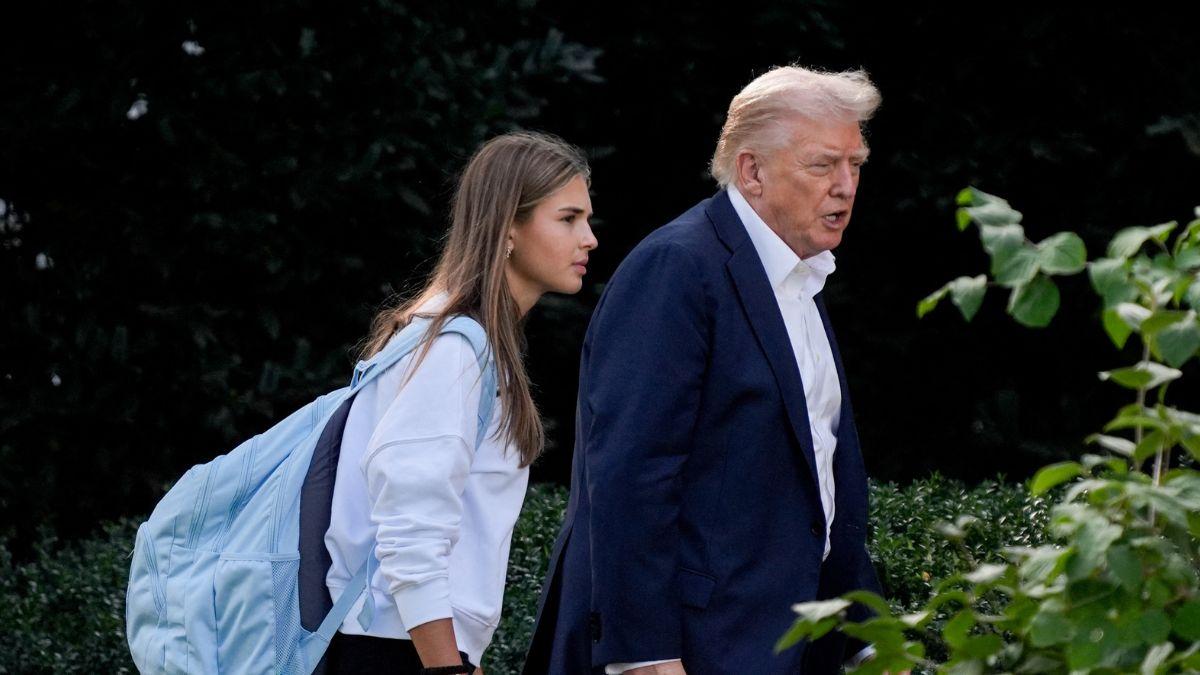
Kai Trump’s growing public profile drew security concerns.
This is not the first time Kai has faced a scare. Last year, another man was arrested after scaling a wall at Mar-a-Lago, allegedly telling authorities he wanted to “marry Kai.”
Kai, the daughter of Donald Trump Jr. and Vanessa Trump, has built a following as a social media personality and golfer, even making a public appearance at the 2024 Republican National Convention.
Attorney Jennifer Brandt of Cozen O’Connor Law Firm, who is not involved in the case, noted that while restraining orders are often tied to personal relationships, they can also apply in broader circumstances involving threats or harassment.
“You don’t necessarily need to show actual harm,” she said. “Usually threat of imminent harm may be enough.”