
 HEALTH
Katie Couric's Memory Loss Scare Raises Questions About Sudden Amnesia

Katie Couric revealed she experienced sudden memory loss.

July 18 2026, Published 8:24 a.m. ET


Katie Couric says several hours of one Saturday in June are simply gone.
In a Substack post titled “A Day I’ll Never Remember,” published July 6, the journalist revealed she experienced an episode of Transient Global Amnesia while attending the Aspen Ideas Festival.
Couric wrote that she remembers walking to a farmers market, buying peaches, nectarines, kettle corn and a straw hat, then heading to the Aspen Institute campus with her husband, John Molner.


She remembered visiting a farmers market before heading to the Aspen Institute with husband John Molner.
“That’s the last thing I remember,” she wrote.
Molner took over part of the post to describe what happened next, including Couric repeatedly asking why she was at the hospital and what she had been doing before she arrived.
A Stroke Scare

Katie Couric said several hours from her day remained lost.
Couric participated in two panels at the festival, but later wrote that she remembered “zero” of them.
At the hospital, she could not correctly answer questions about the year or the president. Molner wrote that the doctor told nurses to “initiate stroke protocol.” After a clean MRI and additional testing ruled out a stroke, doctors diagnosed Couric with Transient Global Amnesia (TGA).
Forensic psychiatrist Dr. Carole Lieberman said TGA is “a diagnosis of exclusion, after doctors rule out other possibilities.”
“The cause of TGA is unknown, but stress can play a role,” Lieberman said. “Most often Transient Global Amnesia is a once in a lifetime occurrence, although it signals that one should pay close attention to their health.”
Couric wrote that she still does not know what caused the episode.
“All I know is that those hours will be forever lost,” she wrote. “Someone described it as my brain failing to hit the ‘record button.’”
- Katie Couric Reveals 'Freaky' Health Scare After Sudden Memory Loss Left Her Unable to Remember Hours of Her Day
- 'Great British Bake Off' Judge Prue Leith Rushed to Hospital After Losing 'Half' Her Vision and Ability to Speak
- Mama June Confesses She Suffers 'Severe Headaches' and Memory Issues as Doctors Fail to Diagnose Ongoing Mystery Illness
Want OK! each day? Sign up here!
Why Memory Scares Hit So Hard

Medical experts explained why sudden amnesia often triggered fear.
“We value our brain functioning as perhaps most important of all functions,” said Dr. Gail Saltz, Clinical Associate Professor of Psychiatry at Weill Cornell Medical College and host of the "How Can I Help?" podcast. “Having a sudden memory loss creates the fear of a catastrophic stroke or process that could be permanent and devastating.”
Saltz said fear doesn’t only strike the person experiencing memory loss, but also the public who learn of it.
“People get so much disturbing information minute to minute, it’s important to not personalize it all,” Saltz said. “Anxiety can make us personalize it.”
How to Avoid Panic
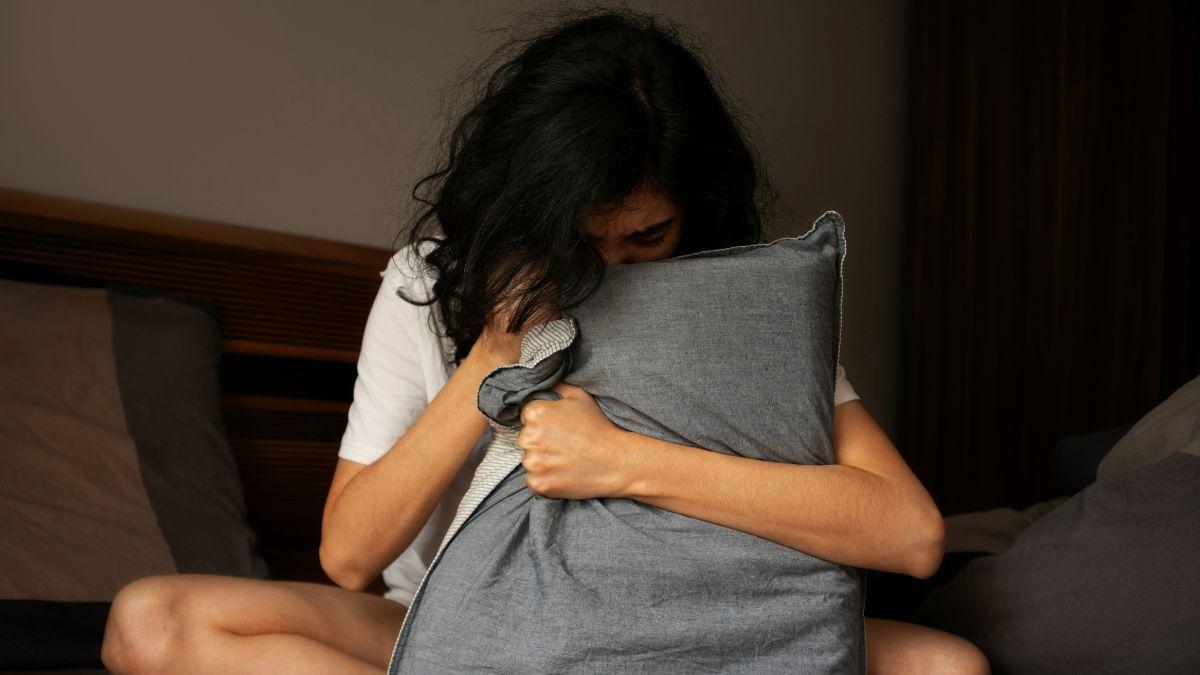
Physicians encouraged early evaluation for lasting memory problems.
Dr. Manisha Parulekar, chief of the Division of Geriatrics and co-director of the Center for Memory Loss and Brain Health at Hackensack University Medical Center, said even ordinary forgetfulness can spark fear.
“We should distinguish between regular forgetfulness, amnesia such as that experienced by Katie Couric, and other more enduring forms of memory loss,” she cautioned.
If symptoms persist, she advised seeking a diagnosis because some cognitive conditions, such as Alzheimer’s, may be slowed with early intervention.
“Anxiety, stress and memory loss can feed off one another,” she said. “The anxiety, stigma and fear of losing independence prevents people from seeing help early on.”