
 TRUE CRIME NEWS
Lindsay Clancy Trial: Prosecutors' Own Expert Concedes Key Claim 'Really Minimizes' Her Mental Health Struggles

Lindsay Clancy’s murder trial focused on testimony about her mental health struggles and the events leading to the deaths of her children.

Aug. 27 2026, Published 2:35 p.m. ET


The prosecution’s final witness admitted that Lindsay Clancy may have downplayed her symptoms before the deaths of her three children.
Forensic psychiatrist Dr. Gregory Saathoff, a prosecution witness, was questioned by defense attorney Kevin Reddington about prosecutor Shanan Buckingham’s opening.
Per the New York Post, when Reddington asked whether the prosecution’s characterization accurately reflected Clancy’s condition, Saathoff offered a pointed response.
"I think that statement that you read really minimizes what [Clancy] was going through," he said.
The defense has argued that Clancy was suffering from severe postpartum psychosis when she killed her children in January 2023.
Lindsay Clancy’s Defense Focused on Her Mental Health

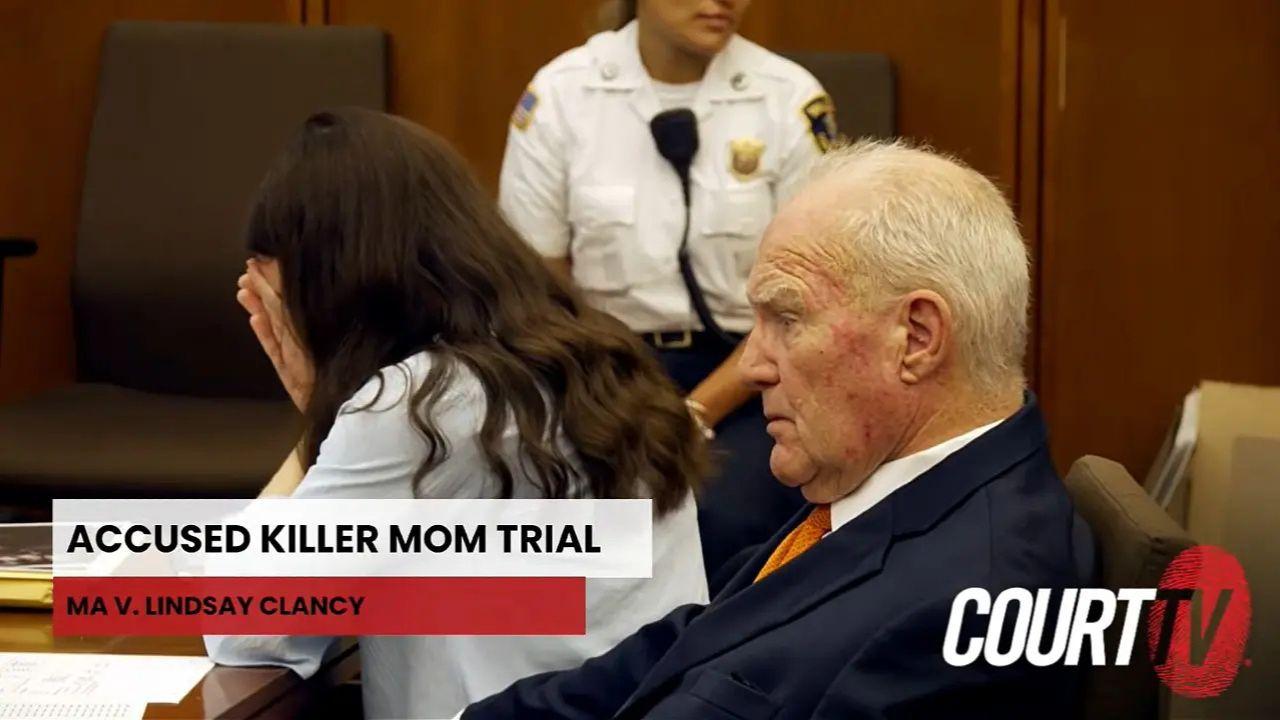
Dr. Gregory Saathoff testified about Lindsay Clancy’s mental state and his assessment of her actions.
Clancy’s defense has sought a not-guilty verdict by reason of insanity, arguing that she was experiencing a severe psychiatric episode at the time of the killings.
According to testimony presented during the trial, she spent the months before the deaths seeking treatment for serious mental health issues.
She saw a psychiatrist, contacted a suicide hotline twice, spent five days at a mental health facility, and sought care at two perinatal clinics.

Lindsay Clancy’s defense challenged how prosecutors characterized her mental health treatment before the killings.
Her medical records also documented suicidal thoughts. Even so, Clancy also spoke with her mother and husband twice about thoughts of harming her children.
During the trial, prosecutors pointed to Clancy’s treatment history as part of their argument about her state of mind and actions leading up to the killings.
Reddington challenged that characterization by reading part of Buckingham’s opening statement to Saathoff. The prosecutor had described Clancy as making deliberate choices about her treatment and ultimately deciding to take her children with her.
- Lindsay Clancy Is on '24/7 Suicide Watch' But Has 'Incredible Family Support,' Her Lawyer Reveals After Mistrial: 'I Worry About Her Every Day'
- Lindsay Clancy Psychologist Says Accused Murderer Is 'Extremely Well-Regarded' at Tewksbury Hospital and 'Thinks of Her Late Children ‘Every Single Day'
- As Jury Prepares to Vote on Lindsay Clancy, Legal Analyst Says Verdict Depends on Whether She Was 'Criminally Responsible'
Want OK! each day? Sign up here!
Prosecutor’s Expert Still Questioned Lindsay Clancy’s Account

Lindsay Clancy’s defense presented testimony about her psychiatric treatment before the killings.
Saathoff’s testimony did not mean he agreed with the defense’s overall position.
The psychiatrist testified that he believed Clancy was criminally responsible for the killings.
He pointed to what he described as her behavior on January 24, 2023, including actions he considered "methodical, quite controlled and organized."
Saathoff also questioned Clancy’s account of hearing a male voice. He testified that there were inconsistencies in her descriptions of when the voice first appeared, as well as differences between Clancy's account and her then-husband's about the events that day.
He also said the reported voice appeared only during the killings, rather than never before or afterward.
Jury Prepared to Begin Deliberations
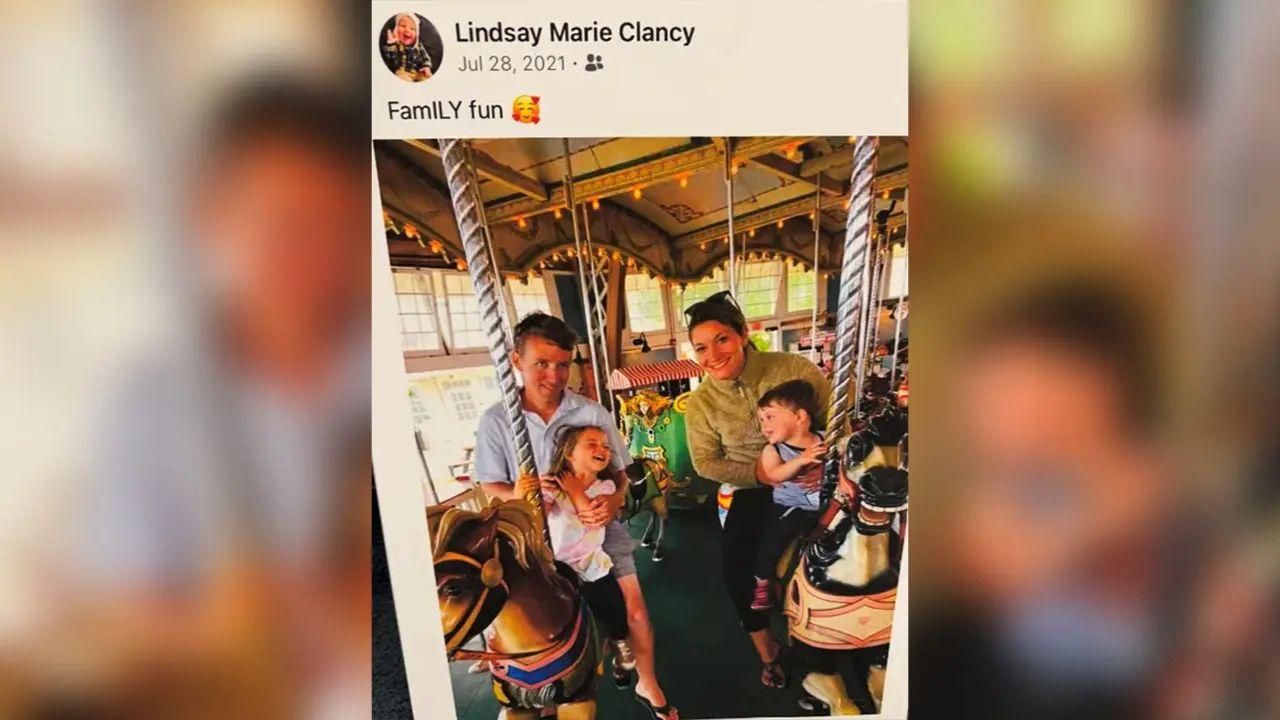
The trial examined Lindsay Clancy’s reported hallucinations, treatment history and mental health struggles.
About 85 witnesses testified throughout the trial, including 10 witnesses called by the defense.
Jurors heard extensive testimony about Clancy’s efforts to receive psychiatric care before the killings. Her providers prescribed 13 different psychiatric medications during that period, with testimony indicating that she received about 30 prescriptions.
After the deaths, Clancy injured herself, took pills from six different prescribed medications, and jumped from a second-floor window at her home. She suffered spinal injuries that left her paraplegic and wheelchair-bound.