
 NEWS
NEWSMegyn Kelly Pushes Back on Sunny Hostin’s Claim Racism Kept Her Romance Novels From Hollywood

Sunny Hostin’s beach read trilogy highlights historic Black vacation communities along the East Coast.
Sept. 22 2026, Published 12:30 p.m. ET


Megyn Kelly didn’t hold back while reacting to Sunny Hostin’s claim that Hollywood’s “gatekeeping” around Black and Brown stories has kept her romance novels offscreen.
During a recent episode of "The Megyn Kelly Show," the conservative commentator discussed Hostin’s remarks with After Party host Emily Jashinsky — before dramatically reading a steamy passage from one of The View star’s books.

Sunny Hostin Calls Hollywood’s Gatekeeping ‘Insane’
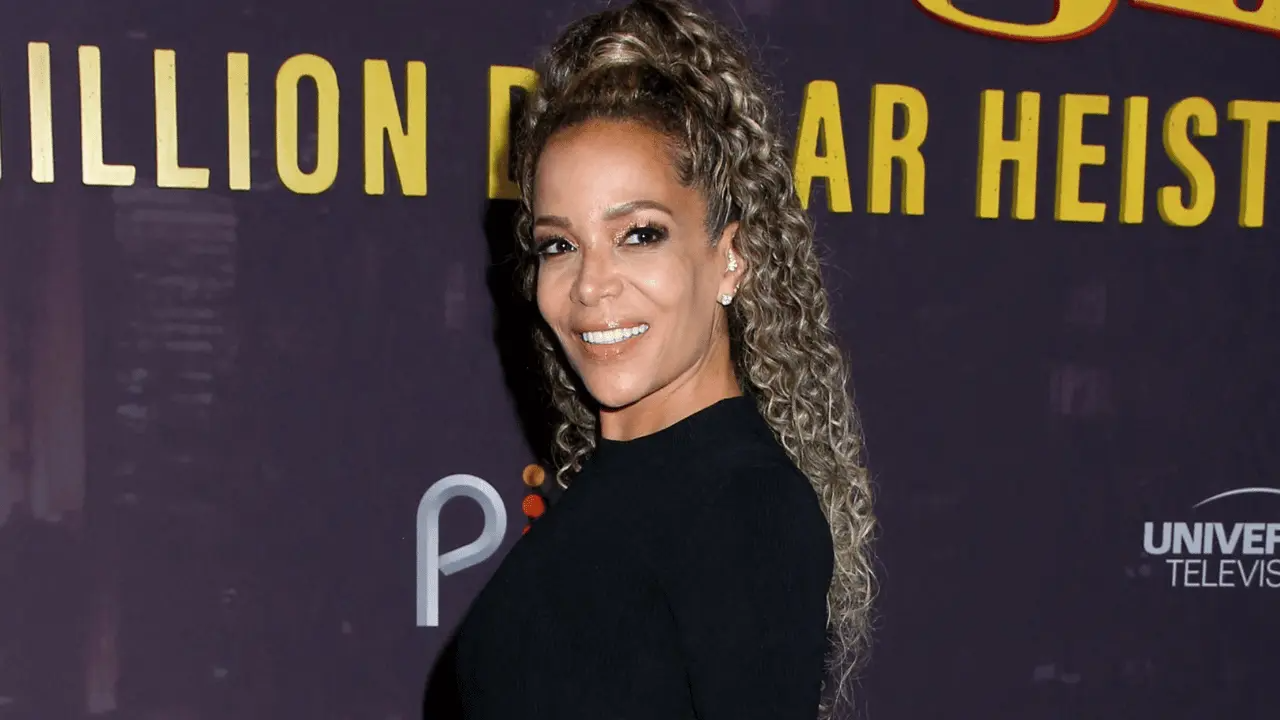
Sunny Hostin and Megyn Kelly previously appeared opposite each other during legal segments on Fox News.
Hostin recently defended her partnership with Fountain 0, an artificial intelligence startup that intends to adapt her novels into film and television productions.
The attorney explained that she had spent six years attempting to get her stories made into movies or TV series.
“The gatekeeping in Hollywood around Black and Brown creative content is insane,” Hostin declared on The View. “I cannot get New York Times best-selling books onto the screen to tell diverse stories to diverse communities.”
When fellow The View co-host Joy Behar questioned how AI would solve the problem, Hostin said the technology “cuts out the gatekeeping” and could allow her to present a completed product directly to streaming platforms.
Behar also challenged whether replacing human performers with AI-generated images would truly benefit Black artists. Hostin countered that studios were already refusing to make the projects and argued that Black and Brown actors were not receiving enough opportunities in Hollywood.
Megyn Kelly Mocks Sunny Hostin’s Explanation
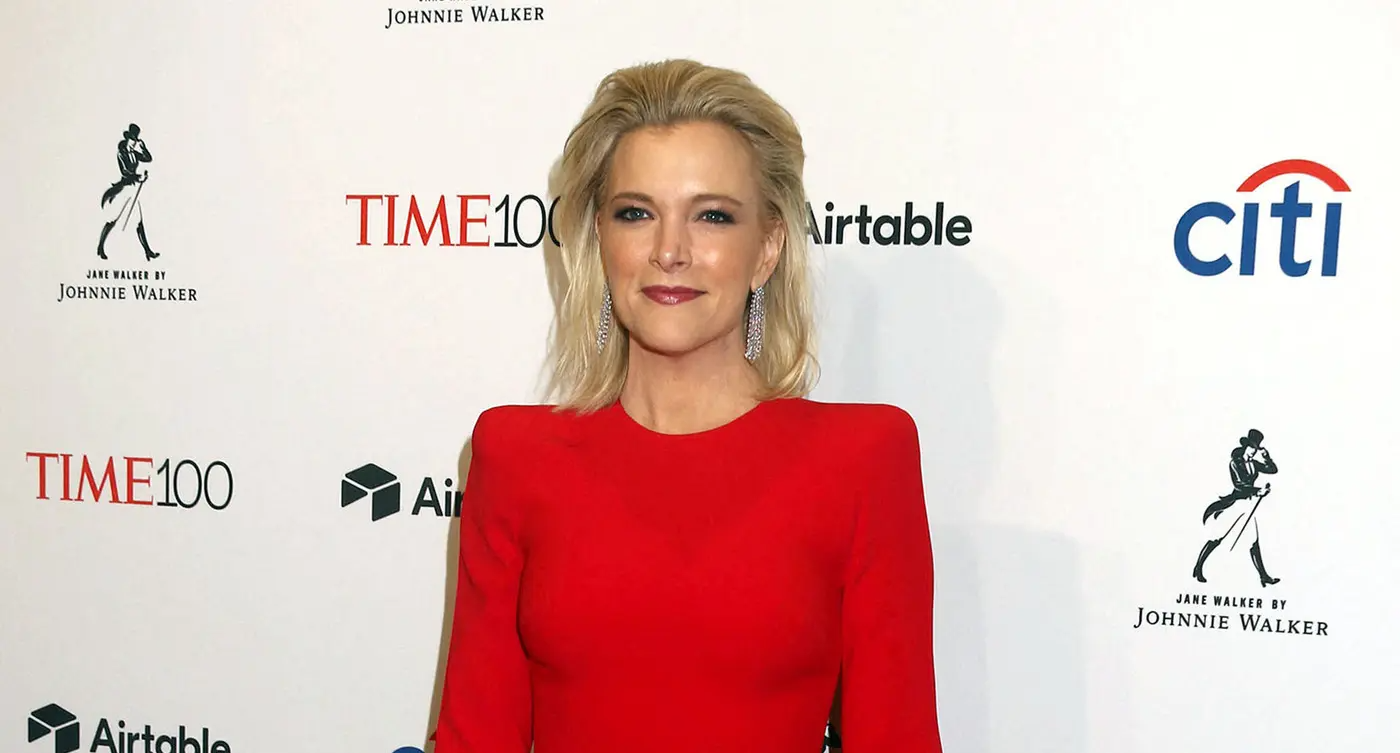
Megyn Kelly put her dramatic-reading skills to work while sharing an intimate passage from Hostin’s latest novel.
Kelly sarcastically introduced the clip by telling Jashinsky that Hostin believed there was a particular reason her books had not received the Hollywood treatment.
“She is convinced that the reason her — trust me — smash-hit romance novels have not been made into movies. Can you guess what the reason might be?” Kelly asked Jashinsky.
“Oh, I can guess, and I think it has something to do with skin color,” Jashinsky replied.
- Sunny Hostin Accuses Hollywood of 'Insane' Racial Gatekeeping as She Resorts to AI Production Company After Industry Allegedly Ignored Her Novels
- The View's Sunny Hostin Slammed by Critics for Signing Away Her Likeness to AI Company After Whoopi Goldberg Denounced the Technology: 'Disappointing'
- Megyn Kelly Mocks Sunny Hostin for Claiming Nikki Haley's Emotional Speech About Her Husband Didn't Feel 'Authentic'
Want OK! each day? Sign up here!
Megyn Kelly Performs a Steamy Reading
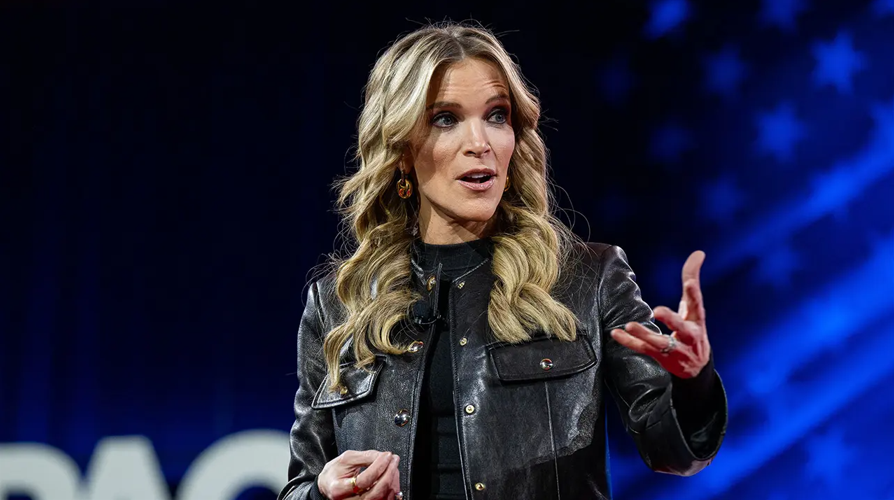
Megyn Kelly didn’t hold back as she critiqued Sunny Hostin’s romance novel.
The podcast host read an intimate scene from Hostin’s third novel, Summer on Highland Beach, bursting into laughter as the passage became more explicit.
After the reading finally ended, Jashinsky said, “I’m so glad that’s over.”
Kelly was especially baffled by a line in which a character declared, “I miss your smile.”
“Whose s--- action talk is, ‘I miss your smile?’” the former Fox News host exclaimed. “That is not how it’s done!”
Jashinsky also mocked the excerpt, joking that Hostin was an “expert” at supplying provocative material to liberal viewers.
Sunny Hostin Embraces AI Adaptations
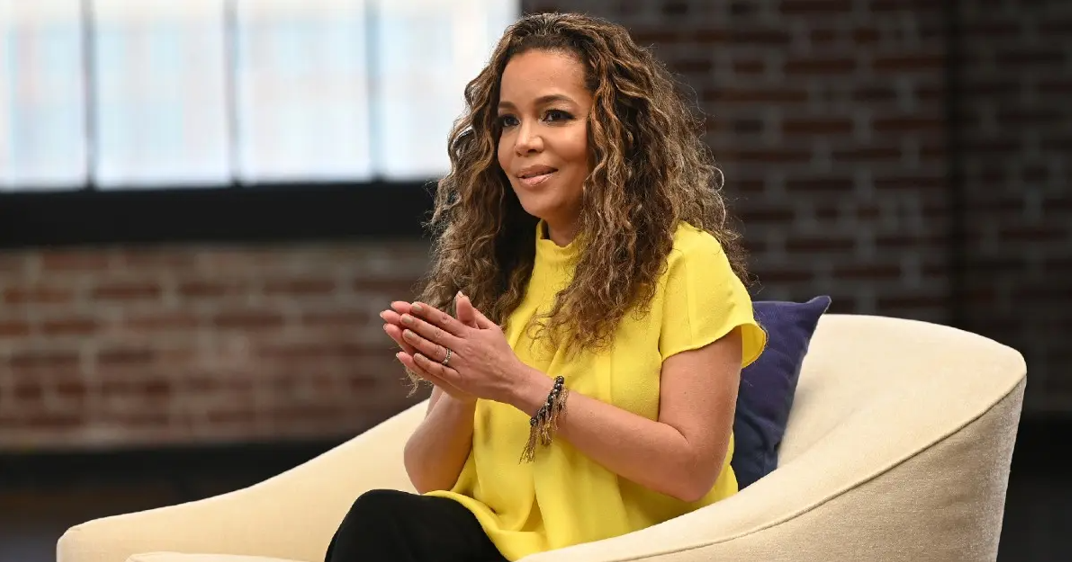
Sunny Hostin has maintained that AI can help creators demonstrate the screen potential of their work.
Hostin’s trilogy also includes Summer on the Bluffs and Summer on Sag Harbor. Under her Fountain 0 agreement, she licensed her name, books and likeness, meaning a digitally generated version of the TV personality could potentially appear in the adaptations.
Hostin has maintained that AI offers a way to bring diverse stories to audiences after years of unsuccessfully pursuing a conventional Hollywood deal. She said the technology could serve as a “proof of concept” for creators before they approach streaming services.