
 NEWS
NEWSParis Jackson Saved Dad Michael Jackson From 'Nearly' Dying in 2003, Claims Ex-Bodyguard: He Was 'Barely Breathing'

Michael Jackson’s ex-bodyguard claimed Paris Jackson saved her dad after he 'nearly' died in 2003.

June 3 2026, Updated 7:53 a.m. ET


Paris Jackson reportedly helped save her father, Michael Jackson, during a near-fatal moment in 2003.
The details were shared in a recent episode of “The Art of Dialogue” podcast, where Matt Fiddes, who worked as the King of Pop’s bodyguard from 1999 to 2009, revisited what he said happened behind the scenes during that period.
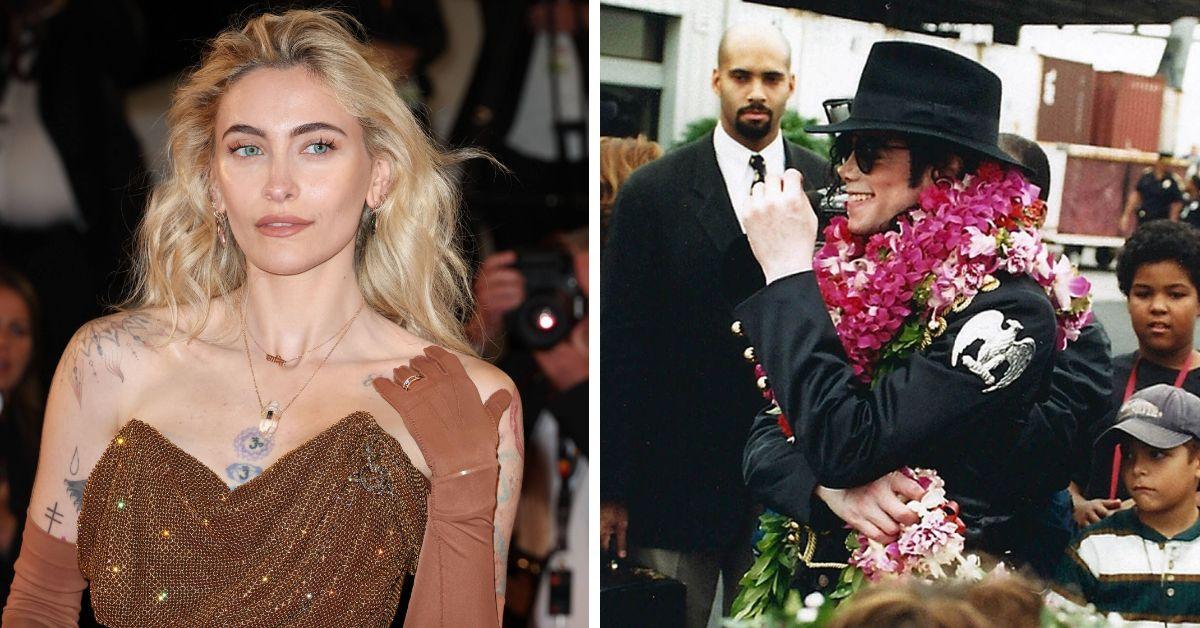
Michael Jackson reportedly experienced a severe medical emergency in 2003.

"Michael nearly died on us in 2003," Matt recalled. "A doctor administered this medication to Michael, and Michael was barely breathing."
"Paris, his daughter, brought it to our attention," Matt added, explaining the iconic singer's crew covered up the episode. "And they ran to revive him, but he didn't want paramedics to come because it'd be worldwide news."
In the years leading up to his death, Michael also faced intense stress, including legal battles, allegations and chronic insomnia that reportedly worsened over time.
Matt claimed he was often tasked with helping the singer find ways to rest, including over-the-counter sleep remedies — but he described a pattern that concerned him.
"I get to his hotel room, and it horrified me because he downed them," Matt recalled. "Boom, boom, boom, boom, boom. And then he got another one. Downed it."
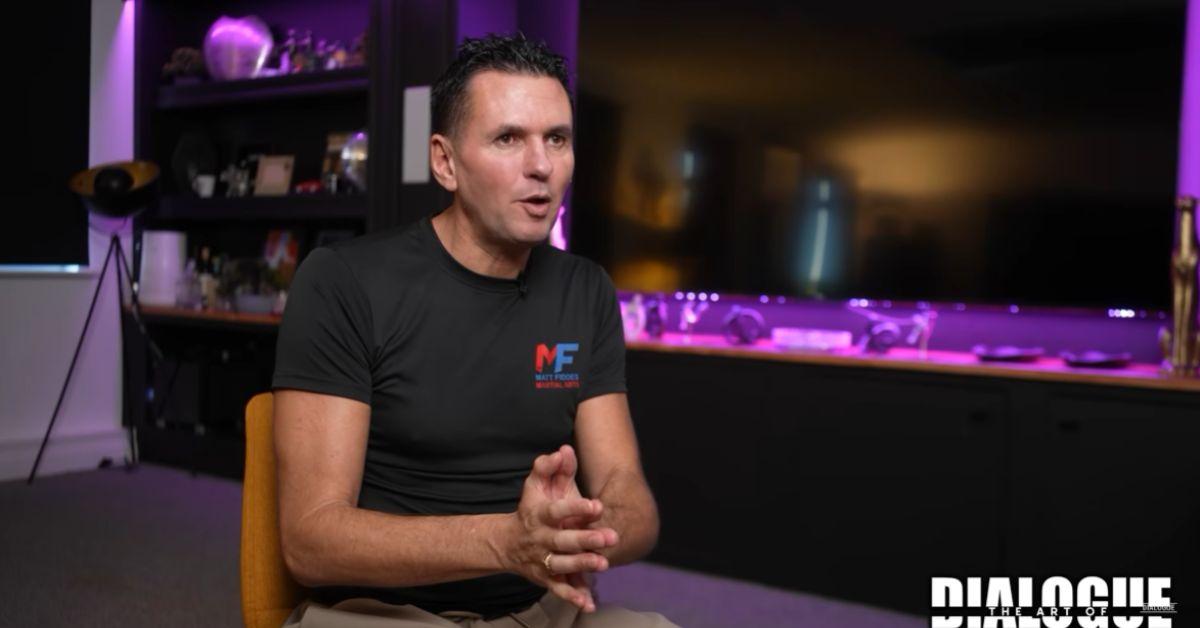
The pop star's former bodyguard Matt Fiddes said, 'Michael nearly died on us in 2003.'
He added that the amount consumed went far beyond what was typically recommended.
"I was like, 'Whoa, I think you should just take two, five (milliliter) teaspoons of that, Mike," Matt continued. "He said, 'No, I have to have it. I won't sleep. I got this important meeting in the morning. I got people flying in.'
"And it didn't work. He drank two bottles of it. And he was still wide awake two hours later. He stayed up all night,” he claimed.
Want OK! each day? Sign up here!
As the situation escalated, Michael eventually began working with Dr. Conrad Murray, who was reportedly brought in to oversee his sleep treatment and was paid $150,000 a month for his services.
Before Conrad’s involvement, biographer Steve Knopper noted that Jackson had already been seeking stronger medication options from various doctors, though many refused.
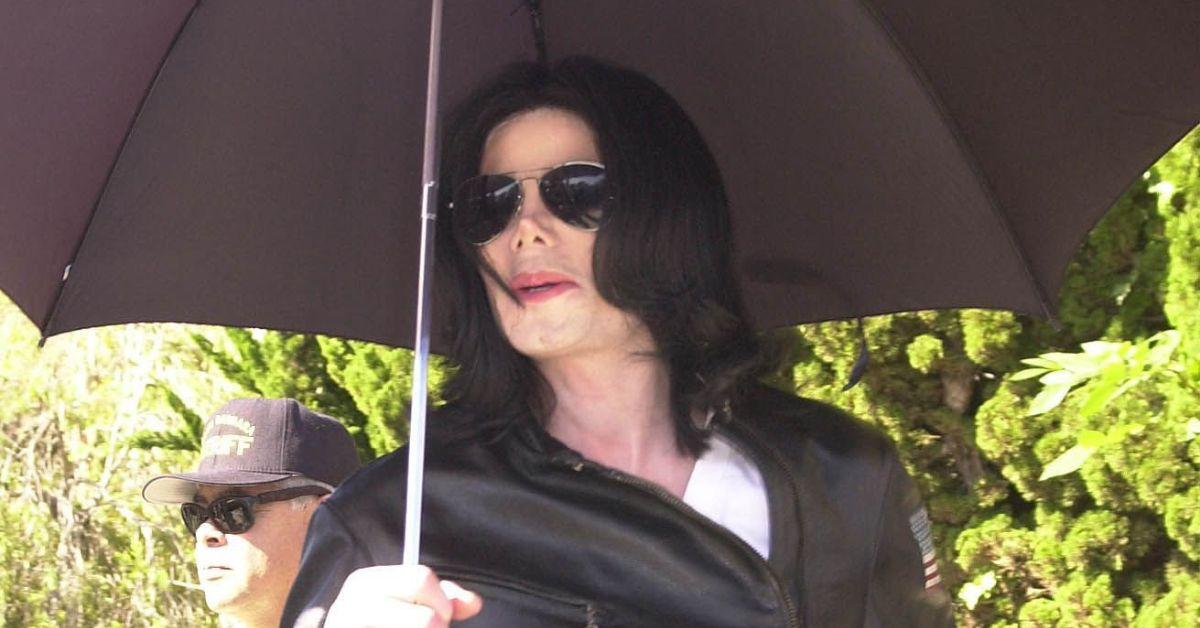
Matt Fiddes also claimed Paris Jackson alerted staff during the incident, prompting an emergency response.
According to Steve, "They would say no. But doctor Murray would say yes."
The medical expert later administered powerful medications to Michael, including Propofol, a surgical anesthetic that ultimately played a role in his death. In 2011, he was convicted of involuntary manslaughter.
Court testimony later revealed that Michael had been receiving nightly doses of Propofol to treat severe insomnia, a practice that medical experts described as highly dangerous and unstable.
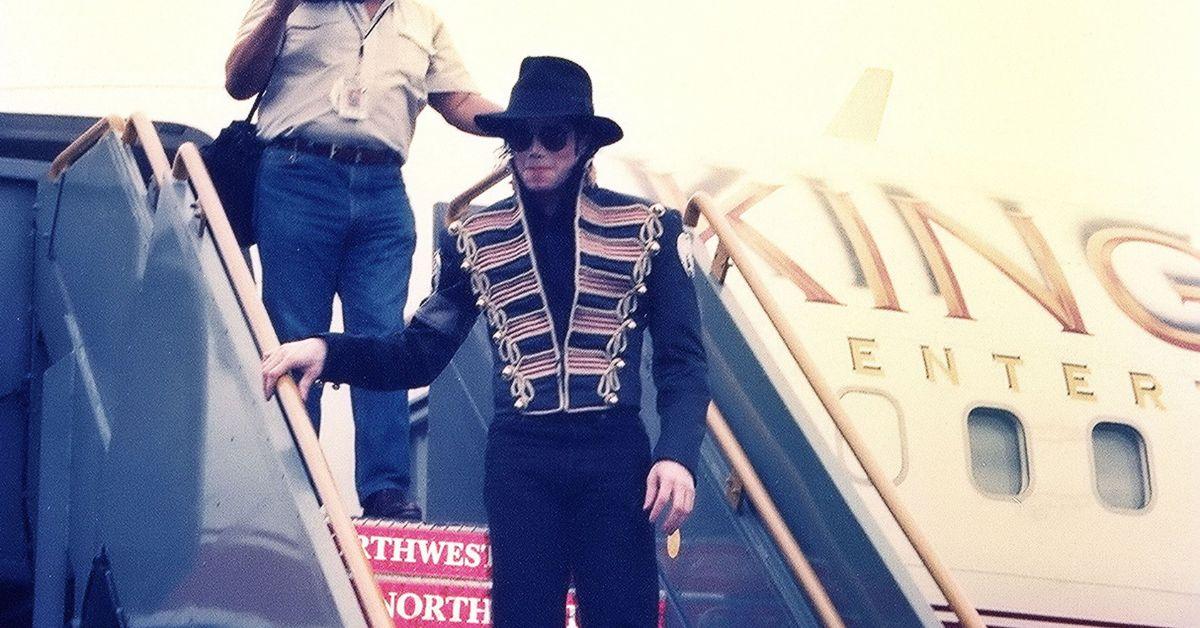
Dr. Conrad Murray later treated Michael Jackson’s sleep issues and was convicted in connection with his death in 2011.
Before his death, Michael was preparing for a major career comeback while dealing with ongoing public scrutiny.
At the time, he was weeks away from rehearsals tied to a planned series of comeback shows at London’s O2 Arena. His life later came to a tragic end on June 25, 2009, at the age of 50, shocking fans around the world.