
 Politics
Stephen Colbert Blasts Donald Trump and 'Discount Dr. Seuss' Pete Hegseth Over Iran War

Stephen Colbert slammed Donald Trump after he blamed predecessors for the Iran war.

March 5 2026, Published 10:31 p.m. ET


Stephen Colbert is not buying the White House’s explanation for the escalating war in Iran — and he’s especially not buying who President Donald Trump says is to blame.
During the The Late Show's Tuesday, March 3, monologue, Colbert criticized Trump for attributing the current conflict to “Obama’s horrendous Iran nuclear deal” and telling Americans to blame “Barack Hussein Obama and sleepy Joe Biden.” The late-night host argued it was time for the president to take responsibility.
“Look, at a certain point, you don’t get to blame your predecessors anymore — or your predecessor’s predecessor,” he added to applause from the studio audience. “If I have a joke that doesn’t work, which never happens, you don’t see me saying, ‘Thanks a lot David Hussein Letterman and sleepy Ed Sullivan.’”
'Strong' Leaders Don’t Play the Blame Game

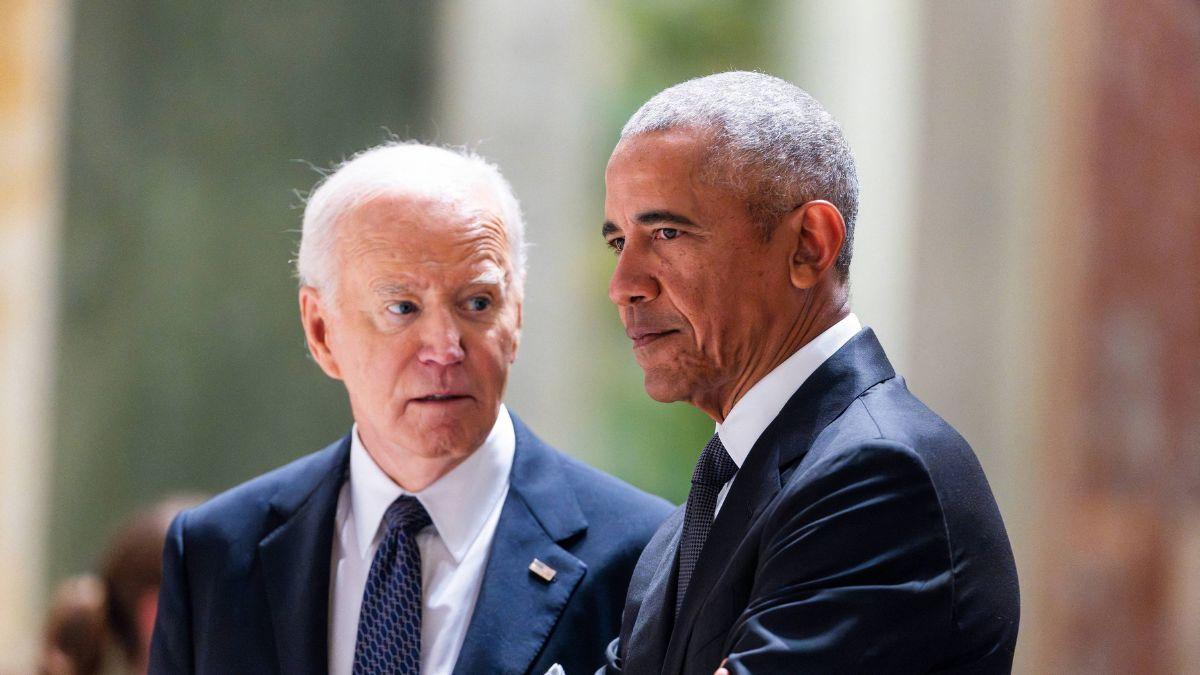
Donald Trump told Americans to blame the Iran war on Barack Obama and Joe Biden.
Leadership advisor Matthew Abrams, author of the upcoming book Inviting Genius: How Good Leaders Use Conflict to Become Great, says that when leaders escalate conflict, "there’s a powerful psychological incentive to control the narrative."
"Blaming a predecessor is a way to redirect tension outward instead of metabolizing it internally. While it may protect identity in the short term, it doesn’t build credibility," Abrams says.
"High-functioning leaders, whether in government or business, understand that accountability is a stabilizing force and when you point backward instead of forward, it signals insecurity, not strength," he says. "Strong leaders absorb pressure. Weak leaders outsource it. In moments of war or organizational crisis, that distinction becomes painfully obvious.”
Targeting the Messaging
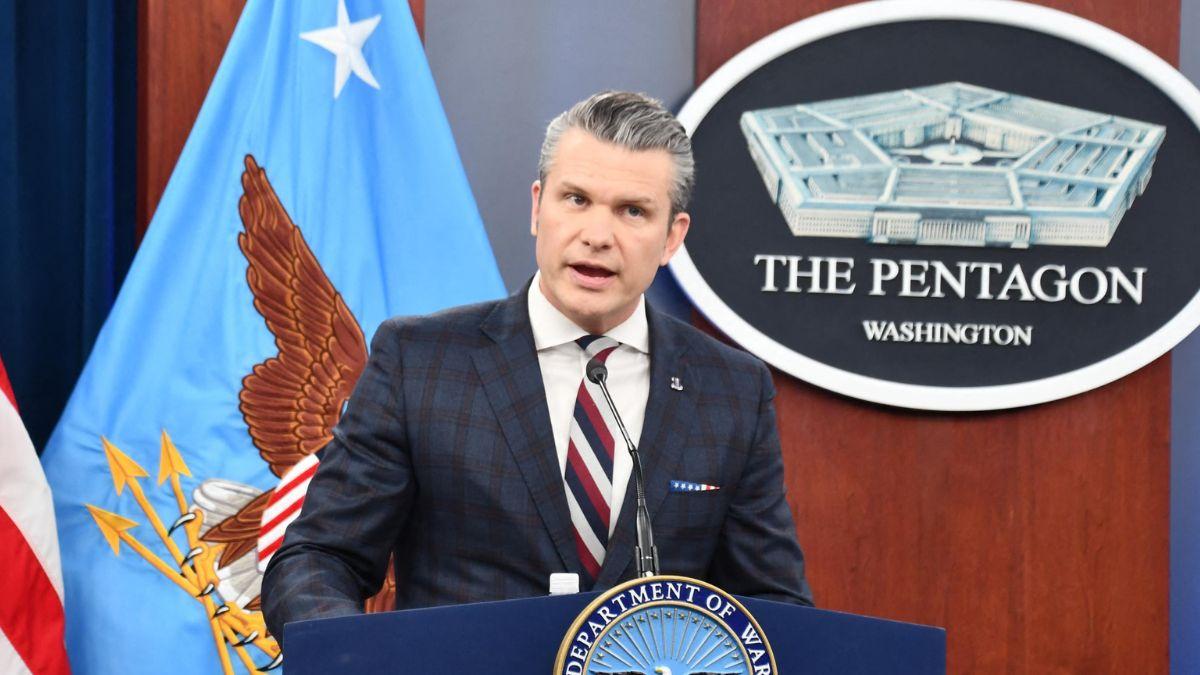
Stephen Colbert mocked Defense Secretary Pete Hegseth in a sharp monologue.
Colbert didn’t stop at Trump. He also took aim at Defense Secretary Pete Hegseth, who declared, “This is not a so-called regime-change war,” before adding, “but the regime sure did change.”
That contradiction provided ample fodder.
“You discount Dr. Seuss d-----bag,” Colbert said, before launching into a Seuss-style rhyme mocking the administration’s rationale for the strikes. “We did not bomb them into rocks. We bombed them to get praise on Fox. Why did we kill the Ayatollah? Cuz I drank too many rum and cola.”
Want OK! each day? Sign up here!
Conflicting Explanations

The comedian also highlighted conflicting statements from the administration and Republican lawmakers.
The comedian also highlighted conflicting statements from members of the administration and Republican lawmakers. He referenced comments from Trump’s Middle East negotiator, Steve Witkoff, who had warned that Iran was close to producing nuclear bomb materials — before contrasting that with remarks from Republican Sen. Ted Cruz of Texas.
“I have no indication that they were anywhere close to getting nuclear weapons,” Cruz said in a clip Colbert played.
Summing up the apparent contradictions, Colbert joked: “Yeah. So, we did it to change the regime because they were close to having nukes, but they weren’t close to having nukes and we didn’t do it to change the regime.”
To underscore the confusion, Colbert aired a now-viral clip of a young child struggling to form a coherent sentence, quipping afterward, “Thank you, Marco Rubio,” in reference to the Secretary of State’s attempts to clarify the administration’s position.
Late Night Weighs In

Stephen Colbert's monologue stood out for demanding accountability from the administration.
Colbert is not the only late-night host to scrutinize the war and the administration’s messaging, but his monologue stood out for its sharp focus on political accountability. By framing Trump’s comments as deflection, Colbert signaled that the Iran conflict is likely to remain a recurring target in late-night comedy.
As tensions continue overseas, the debate at home is far from settled.