
 NEWS
NEWSStephen Colbert’s Final Week Brings A-List Guests and a Cloud of Controversy

Stephen Colbert welcomed major stars for his final week.

May 21 2026, Published 7:29 a.m. ET


Stephen Colbert is hosting The Late Show’s final week with a lineup worthy of a finale, but the conversation around his exit is anything but settled.
A slate of high-profile guests will appear leading up to the May 21 finale, including Jon Stewart, Steven Spielberg, David Byrne and Bruce Springsteen, as the long-running late-night franchise comes to an end after more than a decade under Colbert.
A Farewell With Star Power

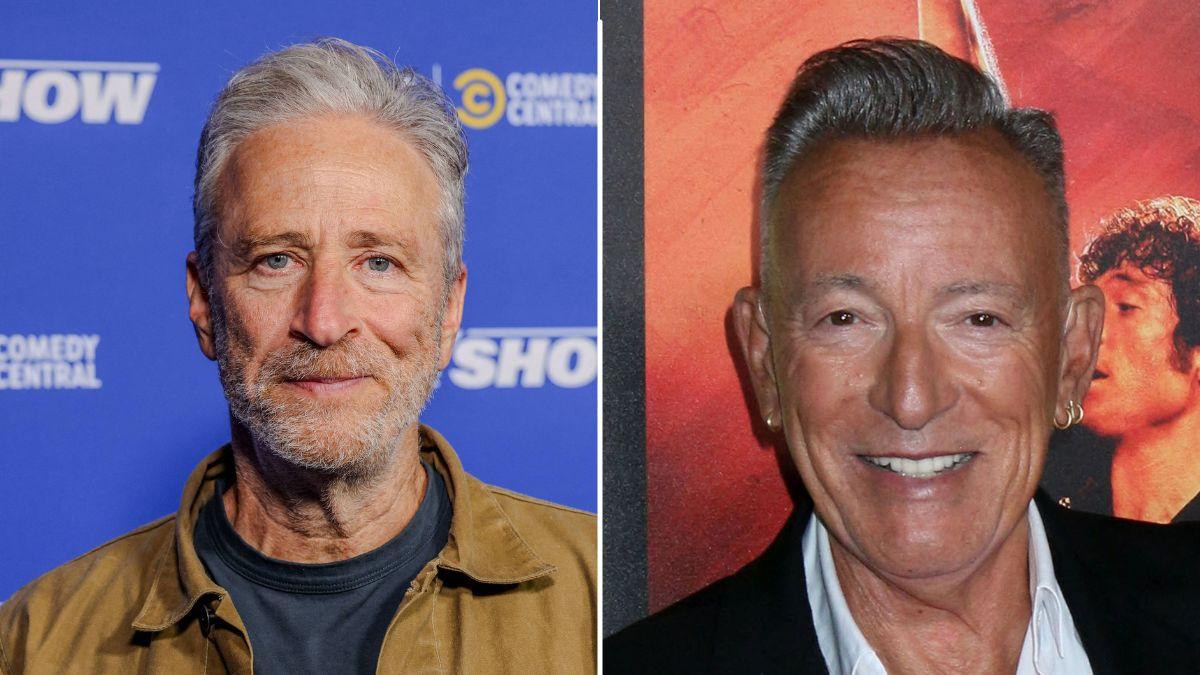
Jon Stewart and Bruce Springsteen joined the farewell lineup.
The final stretch of episodes is being treated as both a sendoff for Colbert and a closing chapter for The Late Show itself.
Some elements have remained under wraps, with surprise appearances expected throughout the week. One episode will feature Colbert taking his own “Colbert Questionert,” with mystery guests asking the questions, while the final episode’s lineup remains undisclosed.
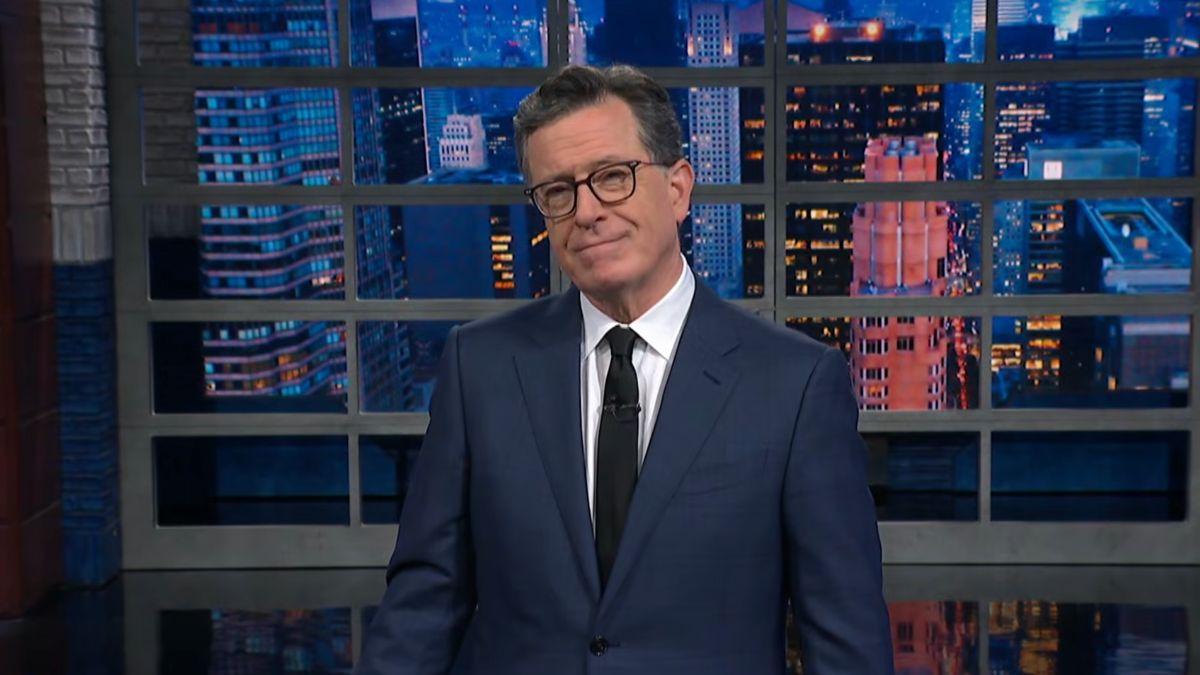
Stephen Colbert is preparing for 'The Late Show' sendoff.
For viewers, the week offers a chance to see Colbert close out his run alongside some of entertainment’s biggest names. For the industry, it marks the end of a major late-night institution.
Want OK! each day? Sign up here!
The Business Behind the Exit

CBS defended the cancelation as a financial decision.
CBS has maintained that the decision to cancel The Late Show was financial, describing it as a money-losing program amid broader challenges in the late-night landscape.
But the explanation hasn’t stopped speculation, with Colbert himself and even former host David Letterman suggesting other forces are at play, particularly given Colbert’s frequent criticism of President Donald Trump.
“Most show exits are not political but in Colbert’s case he is making it political when it is not,” said communication and human behavior expert Dr. Lillian Glass. “Bottom line is that his ratings were exceptionally low and CBS was losing money consistently so it was a business decision.”
She argues that shifting the narrative serves a reputational purpose.
“Being terminated from a show is embarrassing and not something anyone in show business wants on their resume so as a face-saving move it became easy to blame his exit on Trump not allowing him to express himself freely. It’s an easy scapegoat,” she explained.
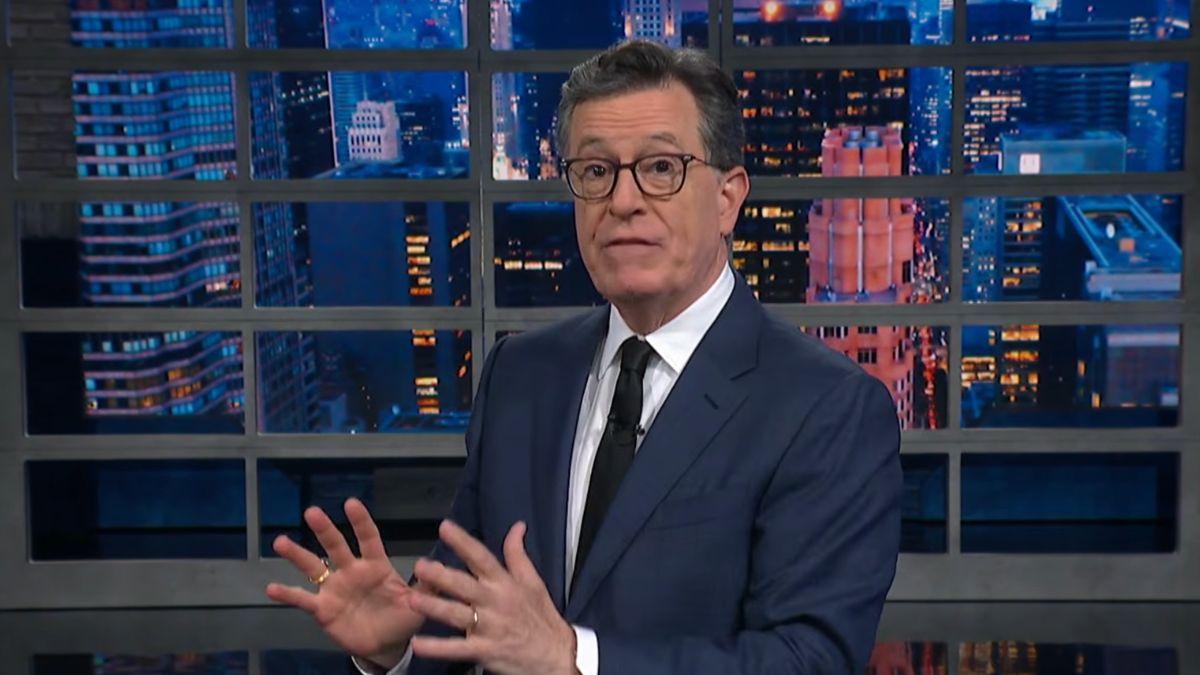
Debate continues over the reasons behind Stephen Colbert’s exit.
Glass added that positioning himself as a political casualty could influence how he’s perceived in the industry going forward.
“His Trump-blaming diatribe is his insurance policy that he will not be a pariah in the Trump-hating world of show business,” she said, “but will instead be a hero among his peers as a victim of Trump.”