
 NEWS
NEWSThe Darker Side of 'Wine O’Clock' Culture

A COZY EVENING SCENE WITH A LAPTOP, FIREPLACE, AND A GLASS OF RED WINE REPRESENTING WINE O'CLOCK CULTURE AT HOME

Feb. 16 2026, Published 1:08 a.m. ET


Somewhere between your last Zoom meeting and dinner prep, the joke lands again: It’s wine o’clock. You’ve seen it on mugs, T-shirts, Instagram captions, heck, even office Slack channels. It’s framed as harmless humor. A wink at adult life. A way to signal that the day was long and you’ve earned something to take the edge off. But when a habit gets wrapped in popular memes and merch, it stops looking like a choice and starts feeling like a rule. And that’s where wine o’clock culture goes from lighthearted to a normalized coping habit. If you’ve ever poured that glass on autopilot, wondered why your sleep feels off, or noticed that “just one” has become part of your nightly routine, this is for you. Let’s talk about what wine o’clock culture really looks like once the joke wears thin.

What Wine O’clock Culture Actually Means and Why it Caught On
Wine o’clock culture is the normalization of drinking as a daily stress-release ritual.
It thrives on relatability:
- Work was exhausting.
- Parenting was chaotic.
- The world feels heavy.
So the glass comes out.
Social media helped accelerate it. Posts about “surviving Monday with merlot” rack up likes. Friends bond over shared burnout. Brands lean into the vibe with cozy fonts and pastel labels. Drinking becomes a form of self-care, even a form of identity, so to speak.
The message is subtle but consistent: Feeling overwhelmed? Pour wine.
Over time, that idea settles in. You don’t consciously decide to drink. You just… do it.
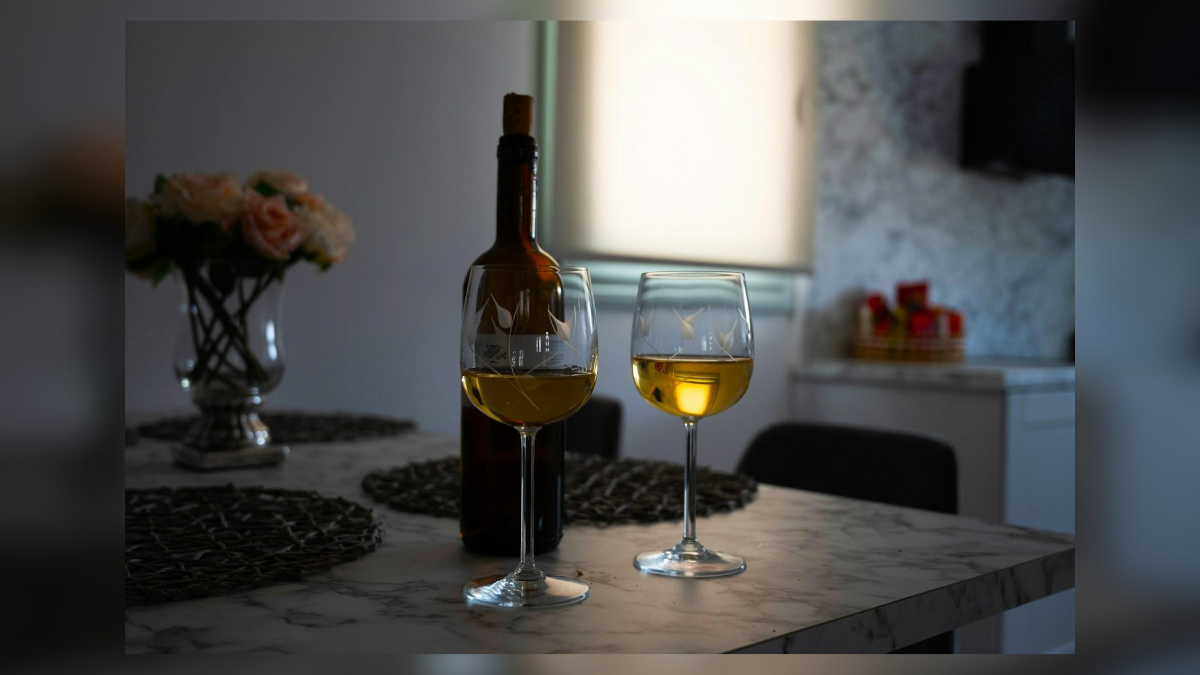
WHAT STARTS AS A SHARED EVENING RITUAL CAN EASILY BECOME A NIGHTLY HABIT.
When Your Evening Glass Starts Showing Up in Your Body
You might still be functioning fine. You’re not blacking out. You’re not missing work. You’re not what anyone would label a “problem drinker.”
But your body keeps receipts.
Even modest nightly drinking can affect things you probably don’t connect to alcohol at first:
- You fall asleep fast, then wake up wired at 3 a.m.
- Your heart races for no obvious reason.
- You feel foggy in the morning, even after 8 hours in bed.
- Your anxiety feels harder to manage than it used to.
And yes, disturbed sleep is one of the earliest signs. Alcohol fragments your sleep cycles and suppresses REM, which is why you may feel exhausted even after a full night in bed. It also messes with temperature regulation, which is why many people experience night sweats from alcohol use alongside restless tossing and turning. This is often the first crack in the “it’s just a glass of wine” story.
The Stress Loop Nobody talks About
Wine o’clock culture sells alcohol as relaxation. Psychologically, though, alcohol is a depressant followed by a rebound stimulant effect.
Here’s what that looks like in real life:
You drink → cortisol drops temporarily → your nervous system rebounds later → anxiety creeps in → sleep suffers → you feel more stressed the next day → you drink again.
It’s a loop.
And it’s sneaky, because the relief at the beginning feels real. But the longer it runs, the more you need that glass to get the same calming effect.
What’s more, according to the Centers for Disease Control and Prevention, regular alcohol use is linked to disrupted sleep patterns, increased anxiety symptoms, and higher long-term risk for depression - even at levels many people consider “moderate.”
Want OK! each day? Sign up here!
Meanwhile, the National Library of Medicine has published research showing that alcohol reduces REM sleep and increases nighttime awakenings, which explains why drinking can leave you mentally foggy and emotionally raw the next day.
Translation: that evening glass doesn’t just affect your night. It bleeds into your mood, focus, and stress resilience tomorrow. Thus, wine o’clock doesn’t reset you. It borrows from your future energy.
When Casual Becomes Automatic
One of the most uncomfortable truths about wine o’clock culture is how quietly it rewires habits.
It usually starts with intention: “I’ll have a glass tonight.”
Then it becomes a pattern: “I always have a glass.”
Eventually, it turns into a reflex: “I feel tense, so I pour.”
You stop checking in with yourself. You don’t ask if you actually want it. You just… reach.
That’s not addiction in the dramatic sense. It’s conditioning.
Your brain learns that alcohol equals relief, and it starts suggesting it anytime discomfort shows up.
- Stress? Wine.
- Boredom? Wine.
- Loneliness? Wine.
- Celebration? Wine.
Same solution. Different emotions.
Why Wine O’clock Culture Hits Women Especially Hard
If you’ve noticed that most wine o’clock messaging targets women, that’s not accidental.
Marketing leans heavily on:
- “Mom needs wine” humor
- Career burnout jokes
- Emotional labor validation
It packages exhaustion in pink labels and clever slogans. The subtext: you carry so much, you deserve this.
And you do deserve rest. Support. Actual relief. But alcohol isn’t solving the underlying load. It’s numbing it. Over time, that numbing can dull motivation, flatten joy, and make emotional processing harder - especially when you’re already stretched thin.
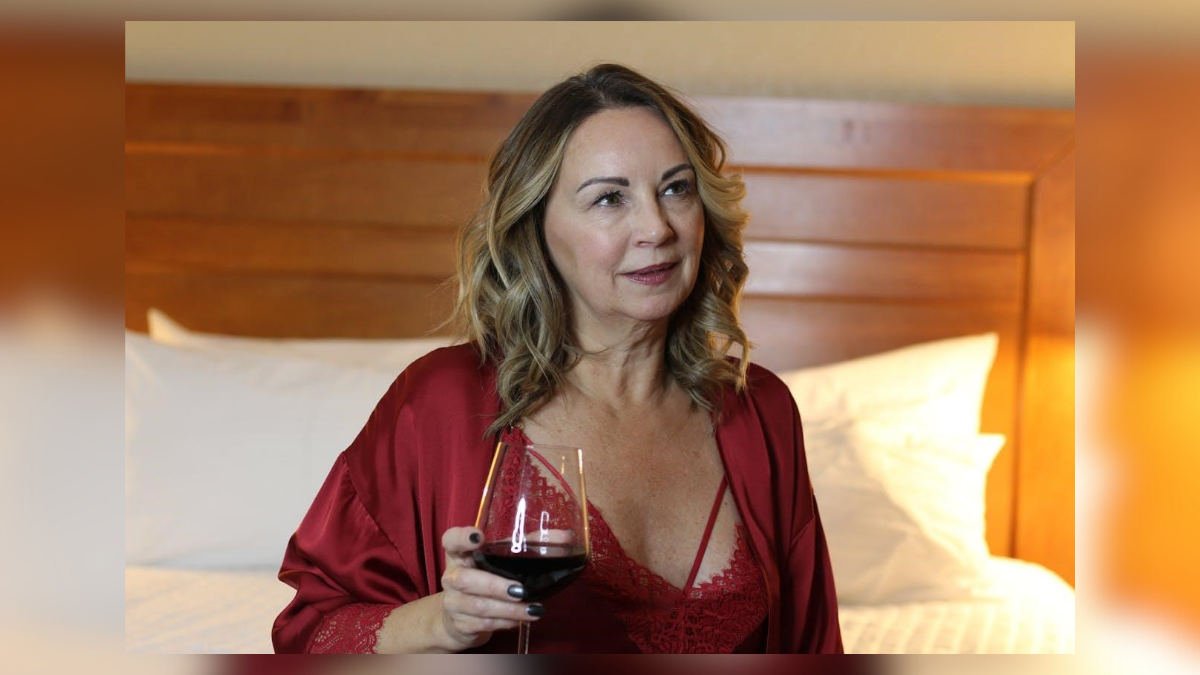
WINE O'CLOCK CULTURE IS OFTEN MARKETED DIRECTLY TO WOMEN, FRAMING NIGHTLY DRINKING AS EARNED RELIEF.
You Don’t Have to Quit Drinking to Question the Culture
You can enjoy wine and still push back on wine o’clock culture.
That might look like:
- Skipping the automatic pour and waiting 20 minutes
- Asking what you actually need when the craving hits
- Having alcohol-free evenings during the week
- Noticing how your sleep changes when you don’t drink
- Replacing the ritual (tea, a walk, a shower, music)
Small interruptions matter. They give your nervous system space to recalibrate.
Reclaiming Your Evenings Without the Crutch
Wine o’clock culture teaches you that alcohol is the reward at the end of the day. But what if the real reward is nervous-system recovery, which includes:
- Quietness,
- Movement,
- Connection,
- Rest that actually restores you?
Rather than reaching for that glass every night, try a few evenings without wine and notice how you fall asleep, how you wake up, and how your mood changes. Let your own experience guide you, not wine o’clock culture slogans on glassware.
Source:
https://pmc.ncbi.nlm.nih.gov/articles/PMC4666864/
Photos used:
https://unsplash.com/photos/two-glasses-of-wine-are-sitting-on-a-table-wWEwP2r3LrQ
https://www.pexels.com/photo/macbook-pro-beside-wine-glass-on-brown-wooden-table-4099298/
https://www.pexels.com/photo/woman-drinking-wine-in-her-bedroom-16018586/