
 NEWS
NEWSTiger Woods' Latest DUI Sparks Question: Why Doesn't He Just Use a Driver?

Tiger Woods faced scrutiny after another DUI-related crash.

April 1 2026, Published 10:57 p.m. ET


Tiger Woods’ latest DUI arrest is reigniting a familiar and frustrating question: why does a celebrity golfer with plenty of money continue to get behind the wheel?
Woods was arrested after a rollover crash in Florida, where authorities say he veered into oncoming traffic, struck a trailer and flipped his SUV. According to an arrest affidavit, Woods had “bloodshot, glassy eyes,” “extremely dilated pupils,” and failed field sobriety tests at the scene. Two hydrocodone pills were found in his pocket, and he was charged with driving under the influence with property damage and refusal to submit to a lawful test.
It’s the latest in a long history of incidents, including a 2017 DUI arrest, which has fans questioning the behavior.
The Psychology of Control and 'Normalcy'

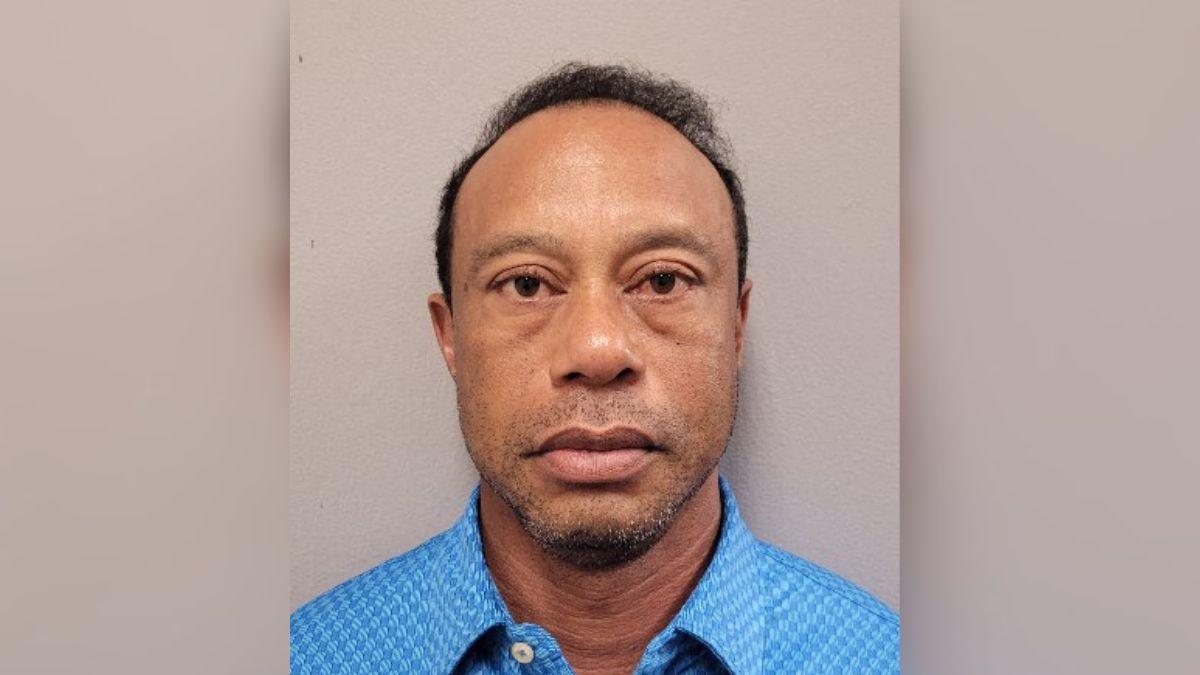
Authorities said he failed sobriety tests after the accident.
“Refusing to use a driver is often about more than logistics,” says psychotherapist Jonathan Alpert, author of the forthcoming book Therapy Nation. “It can reflect a deep need to preserve control and the illusion of normal life.”
Celebrities, he explains, often live highly structured, managed lives, making everyday acts like driving feel symbolic.
“Hiring a driver may feel, psychologically, like admitting vulnerability or accepting that life has fundamentally changed after the incident,” Alpert adds.
“Celebrities long for a sense of normalcy,” mentions Shari Botwin, a licensed clinical social worker and author of Thriving After Trauma: Stories of Living and Healing. “Having the freedom to come and go and be independent is common among high profile figures.”
When Explanation Replaces Accountability
Experts said celebrity routines often masked deeper behavioral patterns.
“After a high-profile arrest, the immediate conversation becomes about stress, pressure, fame, privacy,” Alpert says. “Those factors may be real, but they can also create a comforting narrative that reduces urgency around actual behavioral change.”
That dynamic can make it easier for someone to frame an incident as situational rather than part of a larger pattern.
“The real goal is to interrupt the cycle,” Alpert adds, noting that crisis teams typically recommend practical barriers like hiring a driver, limiting late-night exposure and reducing opportunities for impulsive decisions.
- Tiger Woods 'Lost Control' of His Life After Slamming SUV Into a Tree in 2009, Expert Claims Amid Golfer's Latest DUI Scandal
- Dr. Drew Suspects Tiger Woods Is in Denial About Addiction Issues: 'Extra Difficult Situation'
- 'Stop Getting Behind the D--- Wheel!': Stephen Smith Goes Off on Tiger Woods After His DUI Arrest
Want OK! each day? Sign up here!
Privacy, Shame and Resistance to Help
A psychiatrist linked control and privacy to resistance to hiring drivers.
“The main reasons they resist hiring drivers or security teams is privacy,” says forensic psychiatrist Dr. Carole Lieberman. “They are filled with shame and self-doubt as to whether they will be able to ’behave’ so they don’t want someone there who can tell the police, reporters or others what really happened.”
She also notes that control can play a role. “A-listers are also typically controlling. So, they don’t want anyone to tell them what to do — even if it’s for their own good.”
Quentin Langley, author of crisis management book Brandjack, points out, “A crisis team would recommend anyone with a poor driving record should not drive.”
“In the case of Woods, a driving issue was predictable,” Langley states. “But like most drivers he overestimates his skills.”
A Pattern That’s Hard to Break
The latest arrest revived questions about accountability and risk.
“In cases of DUI and alcohol, one of the biggest obstacles to receiving appropriate support is the denial that comes with the disease,” Botwin says.
Until that cycle is broken, the question of why Woods keeps driving may continue to resurface, with increasingly serious stakes.