 REALITY TV NEWS
Tyra Banks Seeks Unaired Footage in Netflix Defamation Case Over 'ANTM' Documentary

The filing claims the ‘Reality Check’ filmmakers misrepresented Tyra Banks.

Sept. 26 2026, Published 10:10 a.m. ET


Tyra Banks wants hours of unseen footage as she challenges how Netflix’s Reality Check: Inside America’s Next Top Model portrayed her.
Banks alleges the documentary selectively edited interviews to create a false narrative that damaged her reputation. Netflix and the producers deny wrongdoing and have sought dismissal, arguing that she participated voluntarily and granted broad editing rights.
Her requests include unaired interviews with Miss J. Alexander and Jay Manuel, internal communications, draft scripts, story notes and viewership data. The producers contend that the demands are too expansive at this stage.
Why the Unaired Footage Matters

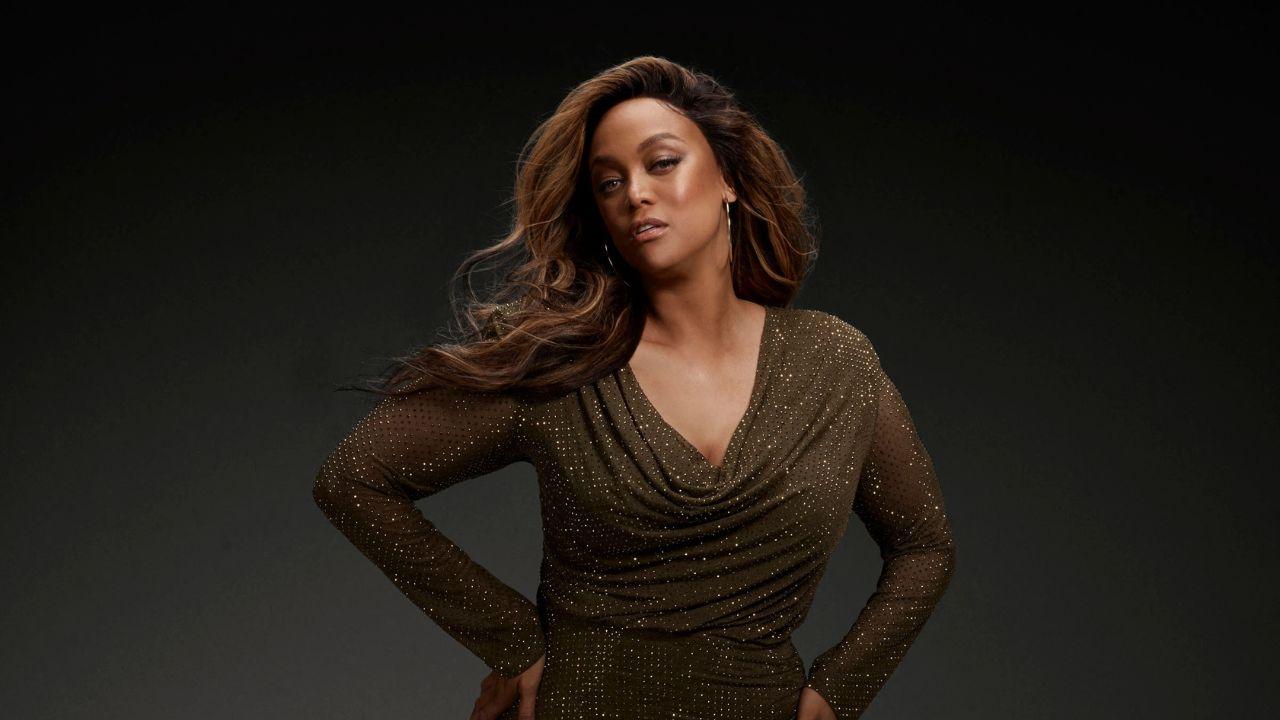
She alleged that selective editing created a misleading narrative that damaged her reputation.
“The unaired footage matters because it gives the court the source material needed to evaluate the final edit,” said Eldonie S. Mason, entertainment attorney and founder of the Mason Firm, who is not involved in the case.
“It can show whether an answer was paired with a different question, whether qualifying language was removed, or whether sequencing and juxtaposition created an implication that the complete interview does not support,” she explained.
Banks says filmmakers used approximately 16 minutes from her interview, which lasted more than three hours. One disputed sequence concerns former contestant Shandi Sullivan’s account of an alleged sexual assault during production. Banks claims the documentary falsely suggested she could not remember Sullivan’s story and that the complete footage shows otherwise.
Editing Rights Have Limits
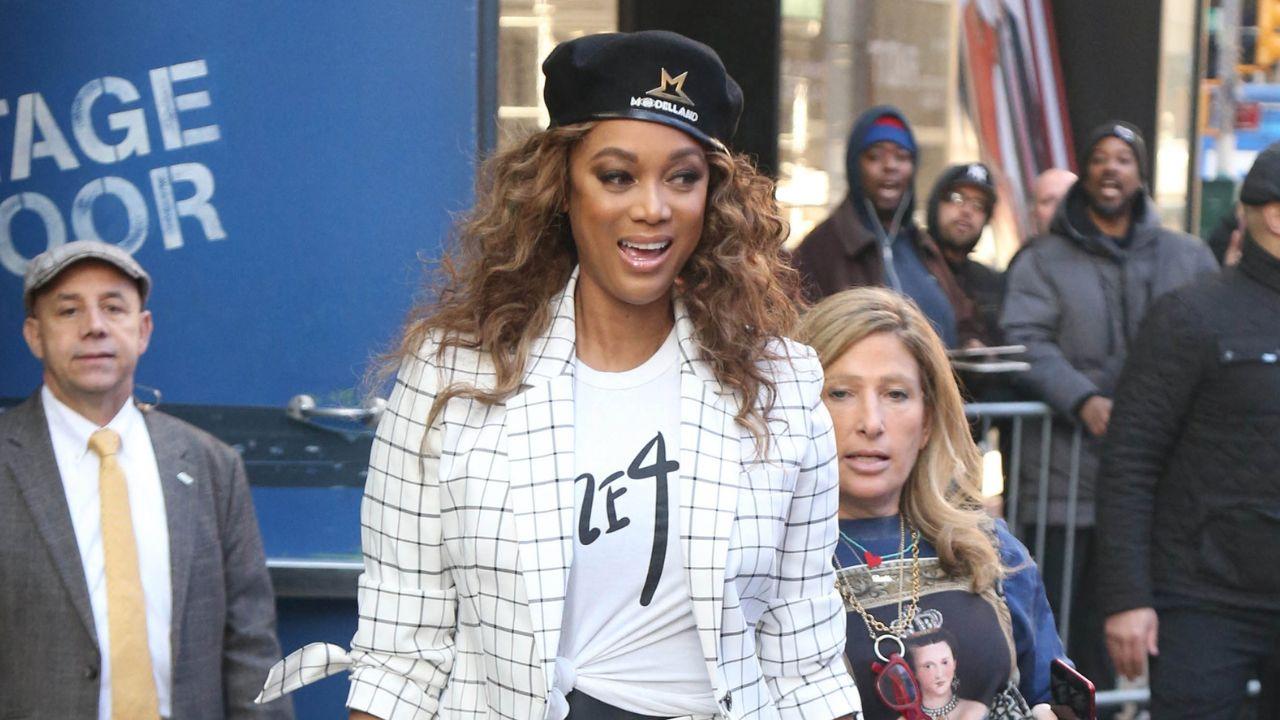
Entertainment attorneys explained how editing rights could affect the defamation dispute.
“An editing clause generally gives producers broad discretion to shorten, rearrange, juxtapose and omit portions of an interview without obtaining the participant’s approval,” Mason said.
“But permission to edit does not necessarily mean permission to materially change the participant’s meaning or create a false and defamatory portrayal,” she added. “A release that expressly waives defamation or false-light claims provides a separate and potentially stronger defense than a clause granting editorial control alone.”
- Tyra Banks Lawsuit Claims Netflix Recut Her 'Top Model' Legacy Into a False Narrative
- Nigel Barker Defends Tyra Banks as Not 'Solely Responsible' for Wild 'America’s Next Top Model' Controversies: 'People Make Mistakes'
- 'America's Next Top Model' Star Curses Out 'Bully' Tyra Banks, Claims Show 'Edited' Their Viral 'We Were All Rooting for You' Moment
Want OK! each day? Sign up here!
Discovery May Be Narrowed
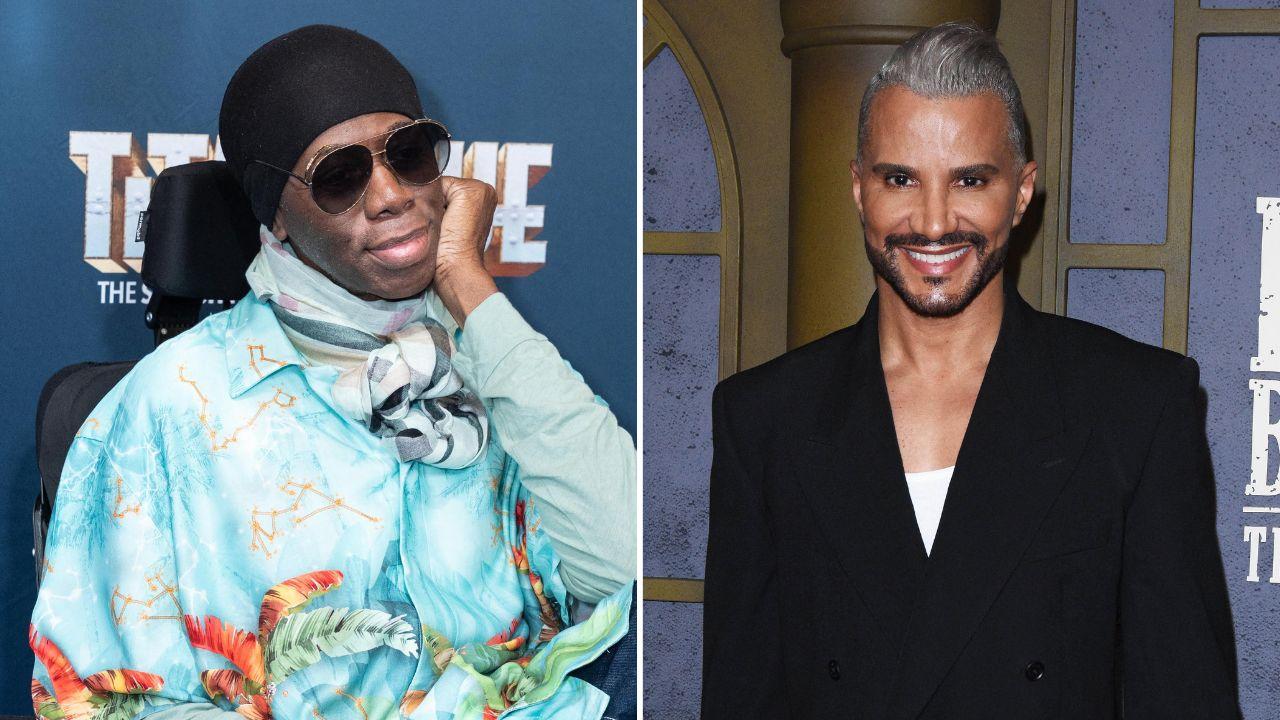
Her legal team requested raw interviews with Miss J. Alexander and Jay Manuel.
Mason said raw material is generally discoverable once a defamation lawsuit reaches ordinary fact discovery, provided it is relevant and the demand is proportional. The complication here is timing.
“Banks is requesting footage while motions to dismiss and strike her claims are pending,” she said. “Because she argues that the footage is necessary to answer Netflix’s factual challenge, the court may permit targeted discovery now, but it can reject requests that reach more broadly than what she needs to oppose those motions.”
The ‘Gist’ Could Decide the Dispute
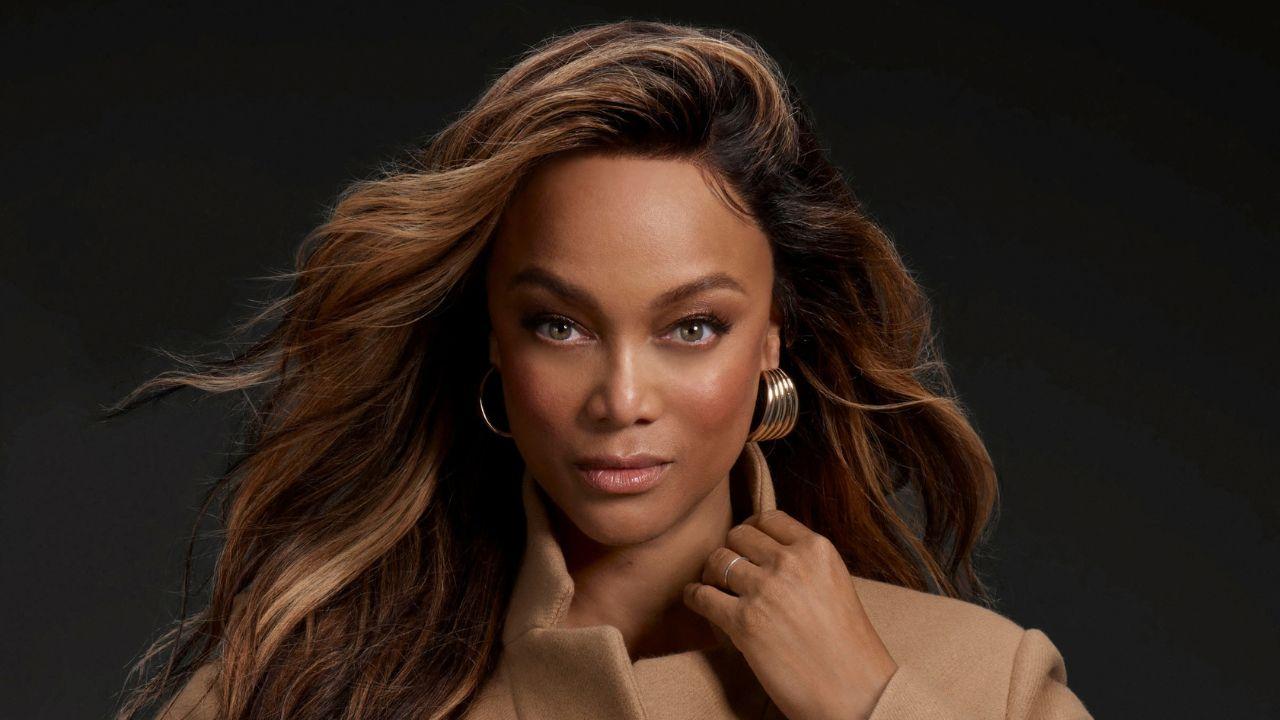
The court faced questions about whether the documentary preserved the original meaning of Tyra Banks’ statements.
“Courts compare the finished program with the underlying source material and ask whether the editing preserved the substance, or ‘gist’, of what was originally said,” Mason explained.
“The legal issue is therefore not whether editing occurred,” she added, “but whether the editing materially changed the meaning and produced a defamatory falsehood.”