
 Politics
White House Correspondents' Dinner Showdown: Journalists Urged to 'Forcefully' Defend Press Freedom With Donald Trump in Attendance

Journalists call for a public stand against Donald Trump at the WHCA Dinner.

April 25 2026, Published 6:30 a.m. ET


The White House Correspondents’ Association Dinner has always walked a fine line between celebration and scrutiny. This year, that tension is front and center as hundreds of veteran journalists push for a direct, public rebuke of President Donald Trump during the high-profile event.
In an open letter, hundreds of prominent media figures including Dan Rather, Ann Curry and major journalism organizations urged the White House Correspondents’ Association to “forcefully demonstrate opposition” to Donald Trump’s record on press freedom. The group argued that his presence at the dinner is a “profound contradiction,” citing years of attacks on the media, access restrictions and regulatory pressure.
A Moment Built for the Camera

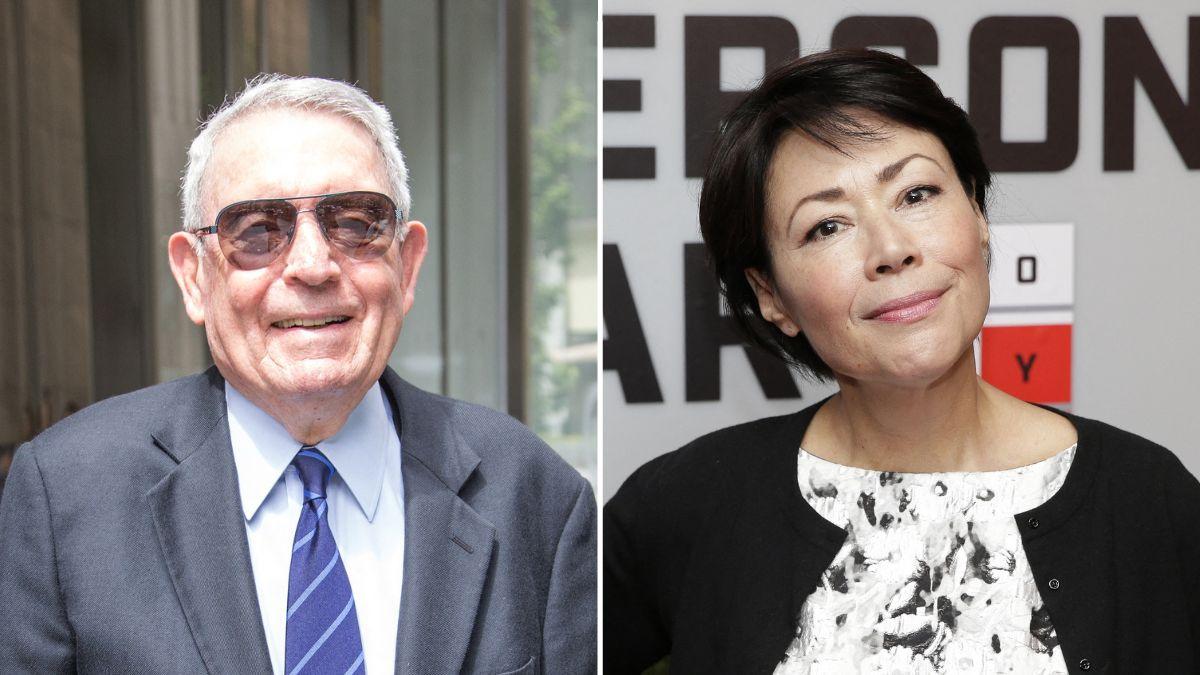
In an open letter, media figures urged the association to stand for press freedom.
For Amore Philip, founder of Apples and Oranges Public Relations, the push for a dramatic on-stage moment reflects how media events now function in a viral-first landscape.
“Honestly this really isn’t confrontation. It's choreography that is intended to catch a viral moment for the news cycle,” Philip said.
She argues that while the effort may be framed as a principled stand, the real outcome is likely to be “a shareable, clippable, 30-second exchange that travels across every platform by Sunday morning.”
“That’s not accountability. That’s content,” she added.
In an era where journalists are also building personal brands, Philip says moments like these carry added incentive: “Nothing builds a brand faster than being the person who stands up in that room.”
Accountability or ‘Accountability Theater’?
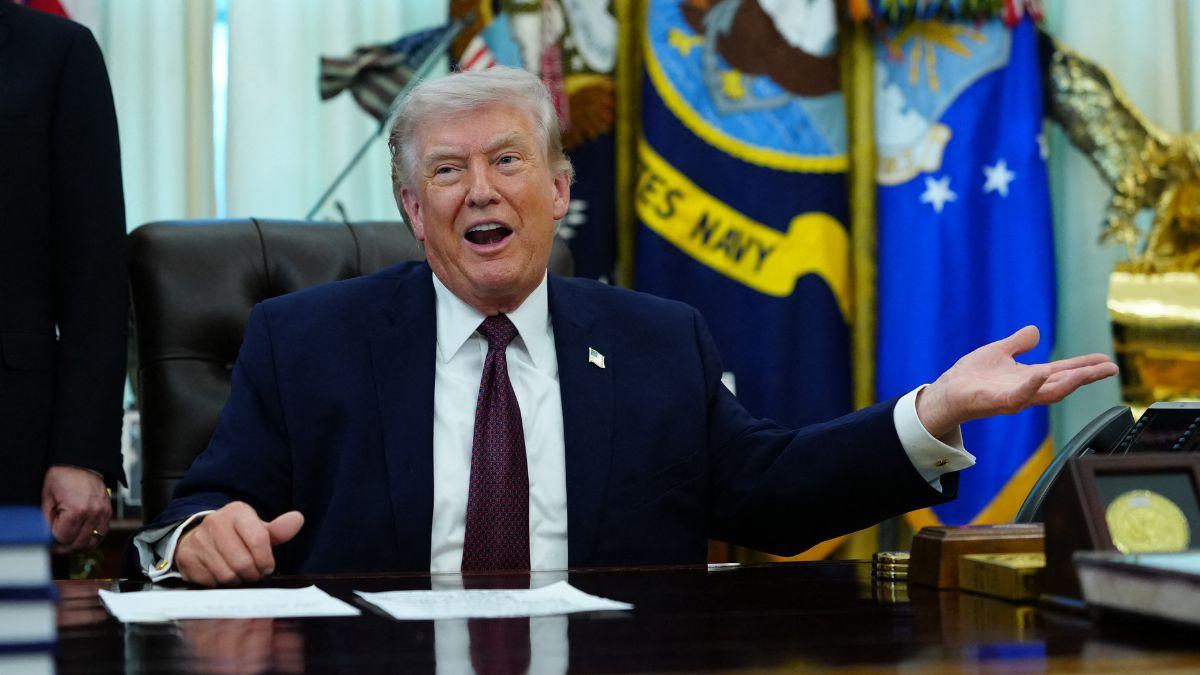
Experts warned the confrontation might look like a staged viral moment.
“The WHCA Dinner is one of the few places where the press and power are quite literally seated at the same table, so any ‘confrontation’ is inherently constrained,” said media and cultural analyst Kaivan Shroff.
Rather than true adversarial journalism, Shroff describes the setting as “a highly produced environment where optics and the audience’s reaction matter as much as the substance.”
That dynamic, he says, turns even legitimate criticism into something that can feel “curated rather than consequential.”
- WHCA Dinner: All Eyes on Guest List as Donald Trump's Attendance Triggers Boycotts and Protests
- Donald Trump's Unpredictable White House Correspondents' Dinner Return Draws Attention Amid Media Tensions With President
- 'Horrified' George Stephanopoulos Is 'Surprised' a WHCD Tragedy Hasn't Happened Before
Want OK! each day? Sign up here!
A Divided Audience, Not a Persuaded One
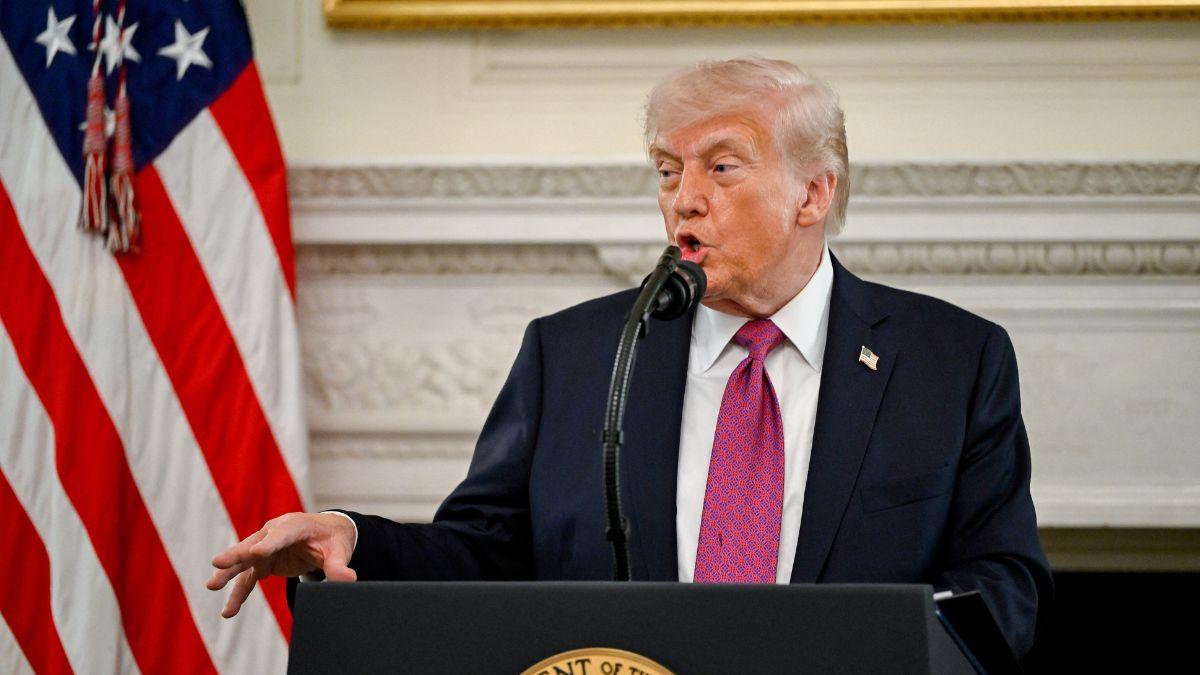
An analyst said the dinner could intensify existing audience divides.
“The goal isn’t to change Donald Trump’s behavior in real time,” Shroff said. Instead, moments like these “signal accountability to viewers who already want to see it.”
Philip echoed that point, arguing that the dinner reinforces existing beliefs rather than shifting them.
“Nobody leaves that dinner with a changed mind,” she said. “Each side gets exactly what they came for.”
What Really Matters Next
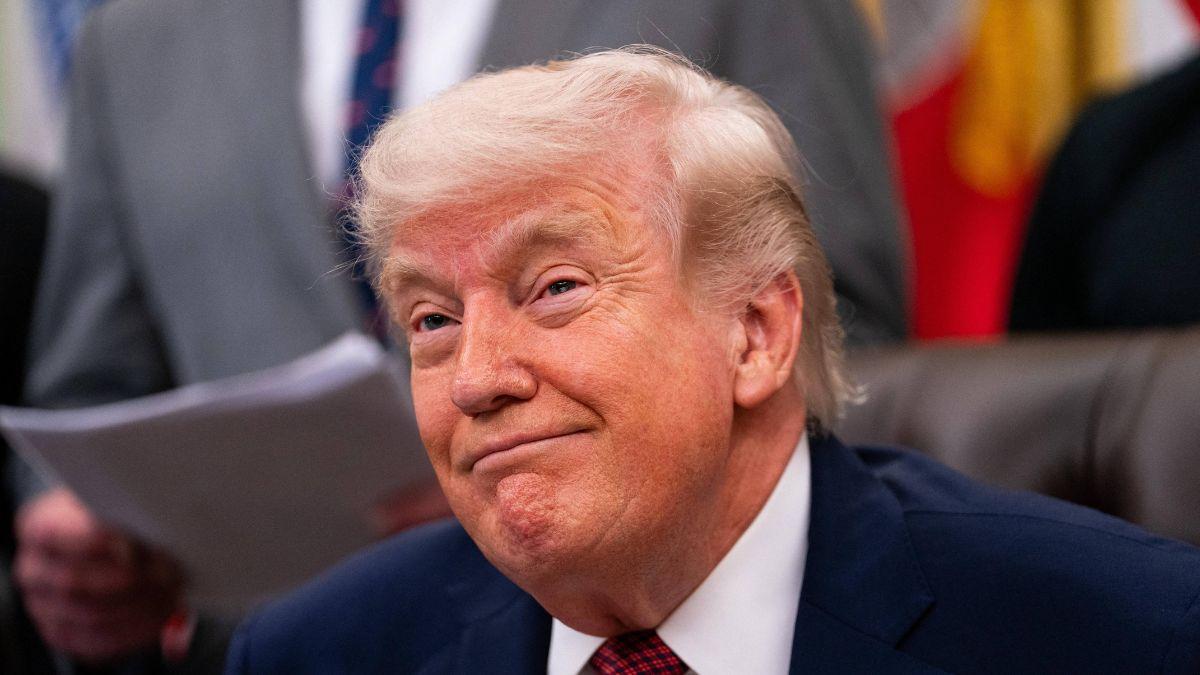
Attention shifted to post-event accountability beyond the spotlight.
That doesn’t mean the stakes are low. The journalists’ letter outlines what they call a “systematic and comprehensive assault” on press freedom, pointing to bans on outlets, investigations into networks and attacks on reporters.
But if the dinner itself is unlikely to deliver meaningful accountability, experts say the real test comes after the lights go down.
“The real test of press accountability isn't who speaks up at a dinner table,” Philip said. “It's what gets published the next morning.”