
 Politics
White House Insists 'SNL' Has Not 'Been a Good Show' Since Donald Trump Hosted It in 2015

‘Saturday Night Live’ sparked backlash after a controversial joke aired during ‘Weekend Update.’

April 10 2026, Published 5:29 a.m. ET


A single joke on Saturday Night Live has once again blurred the line between comedy and politics — this time with help from the White House itself.
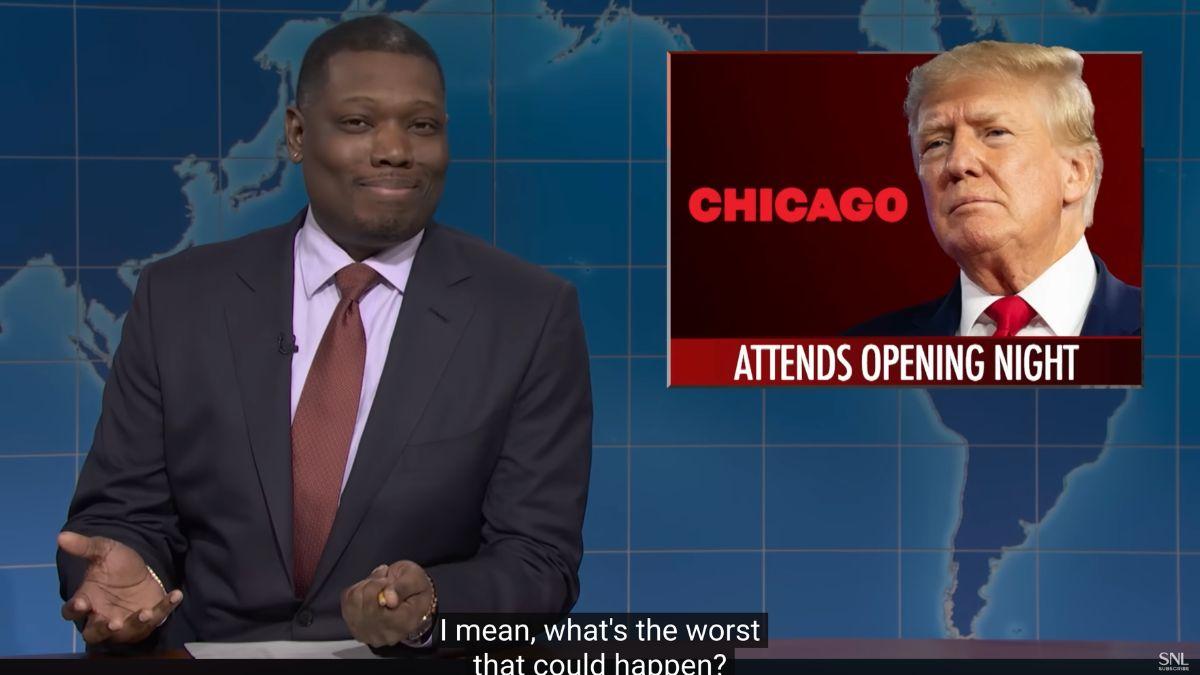
During the show’s “Weekend Update” segment, cast member Michael Che referenced President Donald Trump attending a performance of Chicago at the Kennedy Center.
“I mean, what’s the worst that could happen?” he said. The pointed reference to the assassination of President Abraham Lincoln at a theater drew laughs from the studio audience and quickly began circulating online.
The White House Claps Back

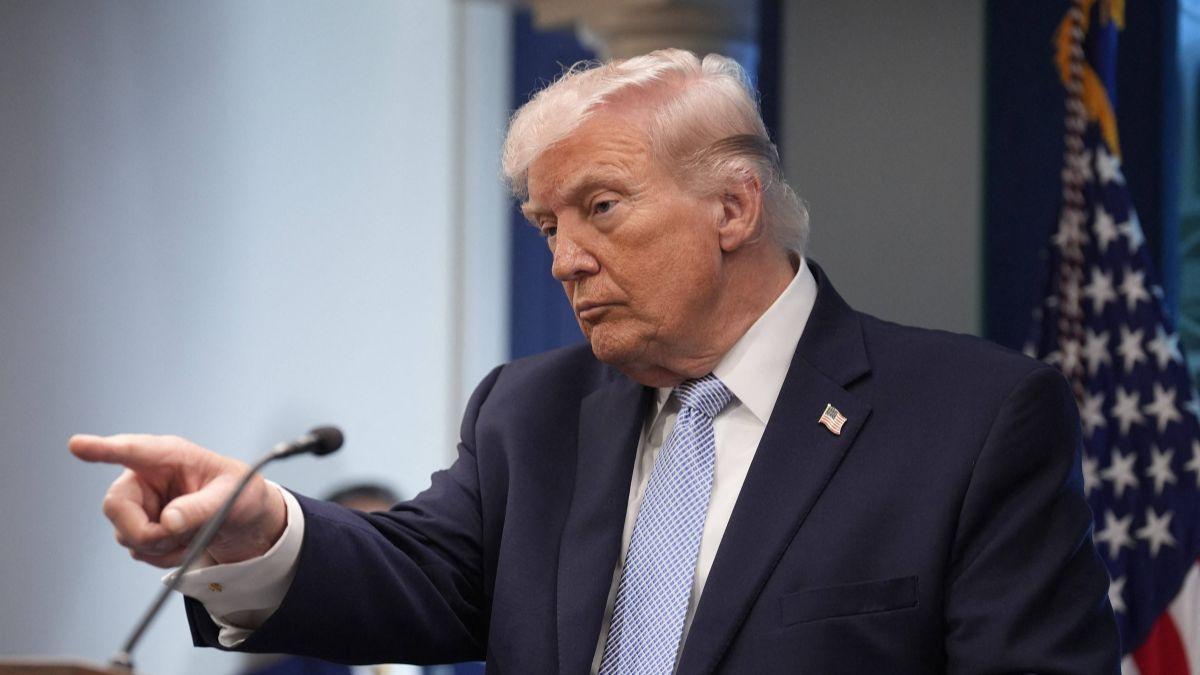
The White House issued a sharp response after the clip began circulating online.
The moment might have remained just another edgy late-night quip, but it didn’t stay contained to Studio 8H.
White House spokesman Davis Ingle issued a sharp response to Fox News Digital soon after, dismissing the long-running NBC series, saying it “hasn’t been a good television show since President Trump hosted it.”
Trump faced two alleged assassination attempts during the 2024 campaign, making the subject especially sensitive.
When Outrage Drives Attention
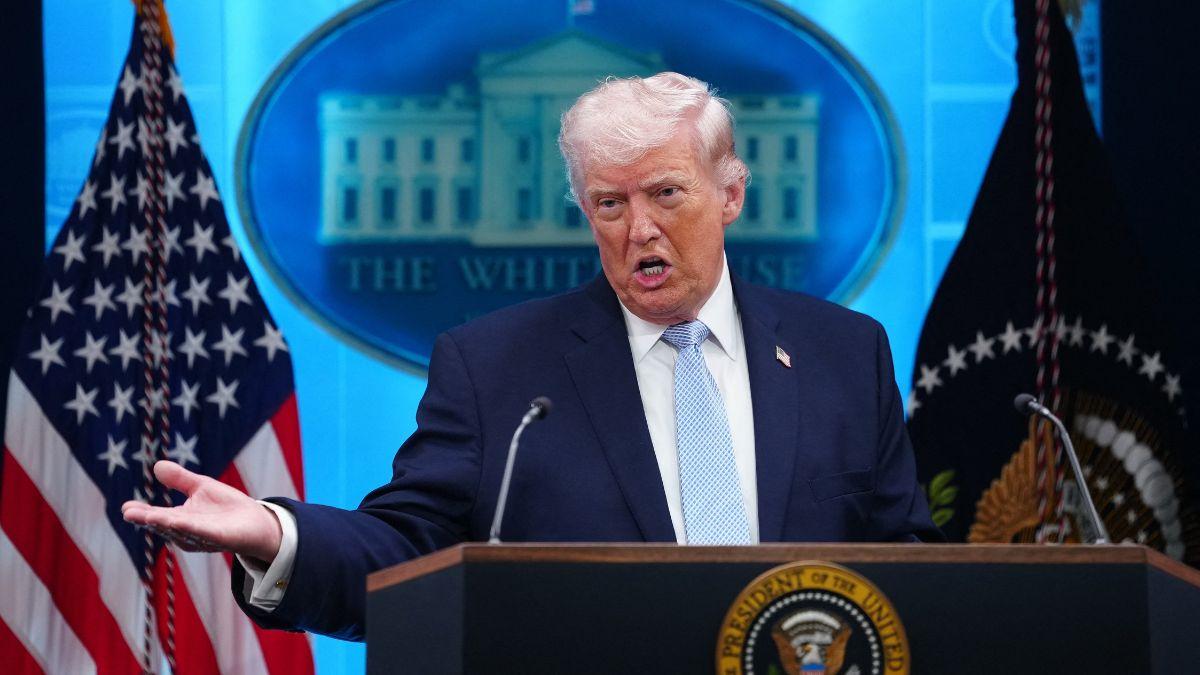
A public relations expert said official outrage helped expand the joke’s visibility.
According to public relations expert Amore Philip, founder of Apples & Oranges Public Relations, the response itself may have unintentionally extended the reach of the segment.
“When a political office publicly claps back at a comedy show like Saturday Night Live, it almost always amplifies the content it’s trying to push back against,” Philip explains. “From a digital media standpoint, outrage functions as distribution. The moment an official response is issued, it signals relevance and platforms reward that with increased visibility.”
Want OK! each day? Sign up here!
A Viral Feedback Loop
The exchange quickly evolved into a wider political media debate.
The result is a familiar digital pattern: the clip begins circulating across different audiences for different reasons.
“What typically happens is a spike in clip sharing across platforms within hours,” Philip says. “Supporters share the original segment to defend it, critics share it to dissect it, and neutral audiences engage out of curiosity.”
That surge of engagement pushes the content further into feeds, extending its reach beyond entertainment audiences and into political discourse.
“There’s also a behavioral shift,” she adds. “Fans of the show become more protective and vocal, while political audiences who may not have watched the clip initially are now pulled into the conversation.”
Comedy, Controversy and the Algorithm
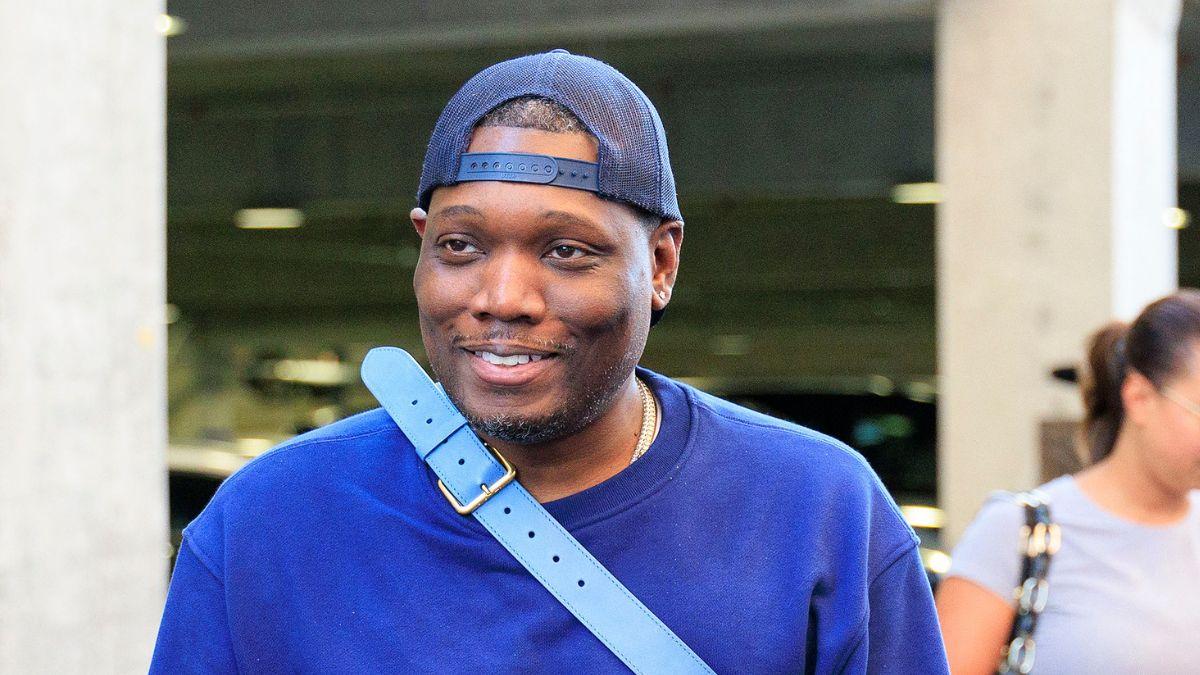
Michael Che referenced a theater assassination during the live segment.
Moments like this underscore how late-night comedy now operates within a broader media ecosystem.
“From a strategy standpoint, official responses often underestimate how algorithms interpret attention,” Philip says. “Negative attention isn’t neutral, it’s fuel.”
That dynamic helps explain why even a brief punchline can evolve into a multi-day cultural debate, especially when amplified by political figures.
“A strong ‘clap back’ can feel powerful in the moment,” Philip adds, “but digitally, it often hands the content a second wave of momentum.”