 NEWS
NEWSWhy Celebrities Can’t Stay Neutral as Pop Culture Turns Into a Loyalty Test

Celebrities face pressure to take political stances.

May 6 2026, Published 8:39 a.m. ET


From skipped red carpets to viral “likes,” celebrities are increasingly caught in a cultural moment where even the smallest action can be read as a political signal.
What once might have passed as personal preference is now scrutinized as a statement, forcing stars into a high-stakes balancing act between authenticity, audience expectations, and brand pressure.
The End of Neutrality

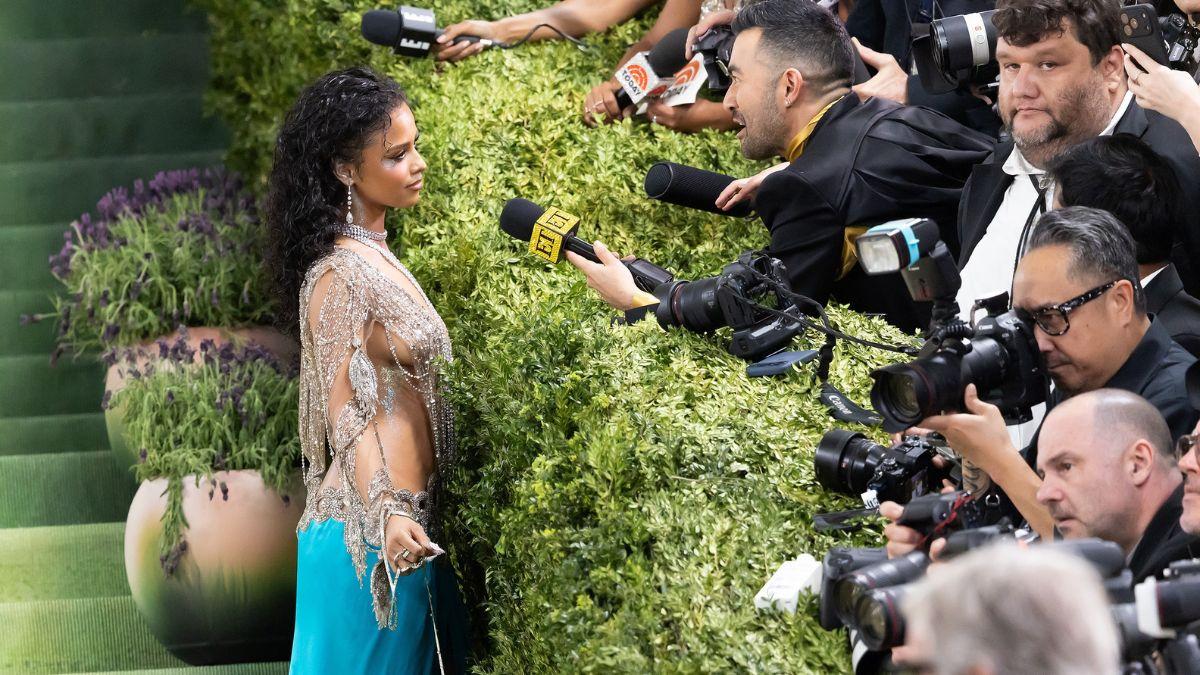
Met Gala 2026 became a cultural flashpoint.
“There is no neutral anymore,” says Amore Philip, founder of Apples and Oranges Public Relations. “Every red carpet appearance, every silence, every carefully worded caption gets read as a political statement whether the celebrity intended it that way or not.”
That reality is playing out in real time around events like the 2026 Met Gala, where attendance — or absence — has become part of a broader cultural conversation. Bella Hadid’s decision to “like” a post criticizing the Jeff Bezos-backed gala, alongside reports that Zendaya would skip the event and Meryl Streep’s continued absence, has fueled speculation about where stars stand.
Even when explanations are apolitical, the timing and context invite interpretation.
A No-Win Expectation
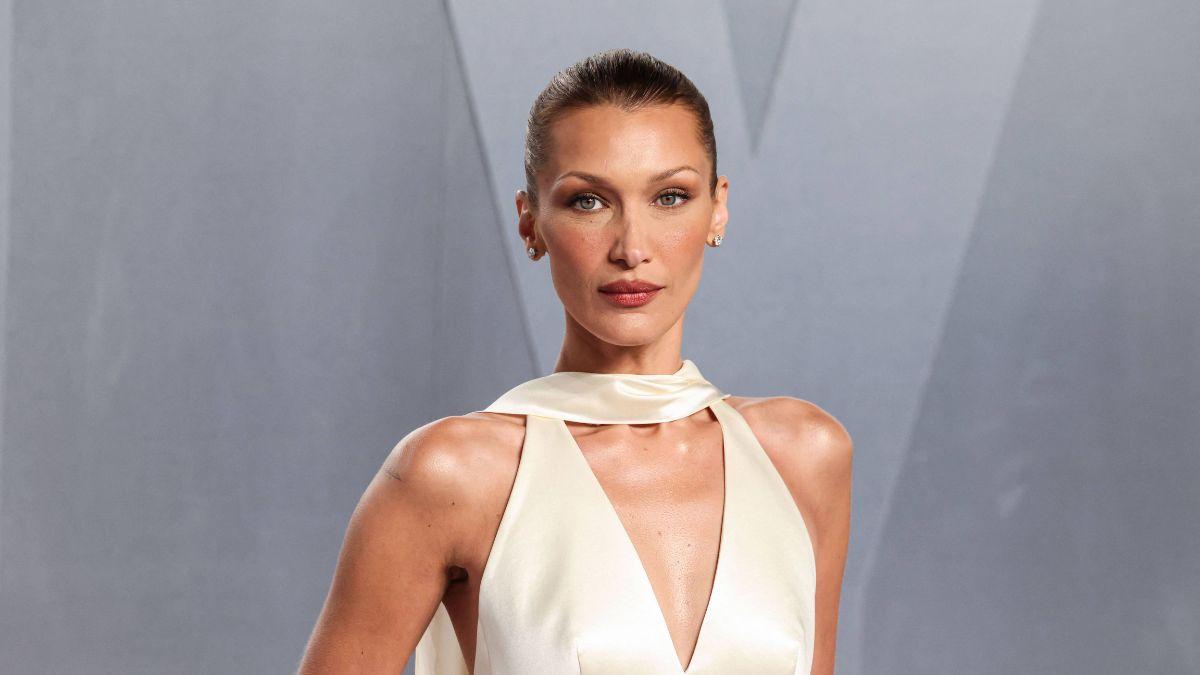
Bella Hadid sparked buzz with a single ‘like.’
“Fans don't just consume art; they view celebrities as moral leaders,” says John Kwatakye-Atiko, founder of Popularity PR. “They expect their idols to ‘do the right thing’ and take a definitive stand.”
But taking that stand comes with immediate consequences.
“The PR danger is that taking a stance immediately ‘splits the baby,’” he explains. “A star will inevitably alienate a massive sector of their audience because a fanbase is rarely all on the same page.”
But staying silent isn’t necessarily safer, especially for stars who have built their brands on speaking out.
“If a historically vocal celebrity chooses neutrality on a major cultural issue, their core audience views it not as diplomacy, but as a cowardly snub,” Kwatakye-Atiko adds.
Want OK! each day? Sign up here!
The Strategy Behind Saying Less
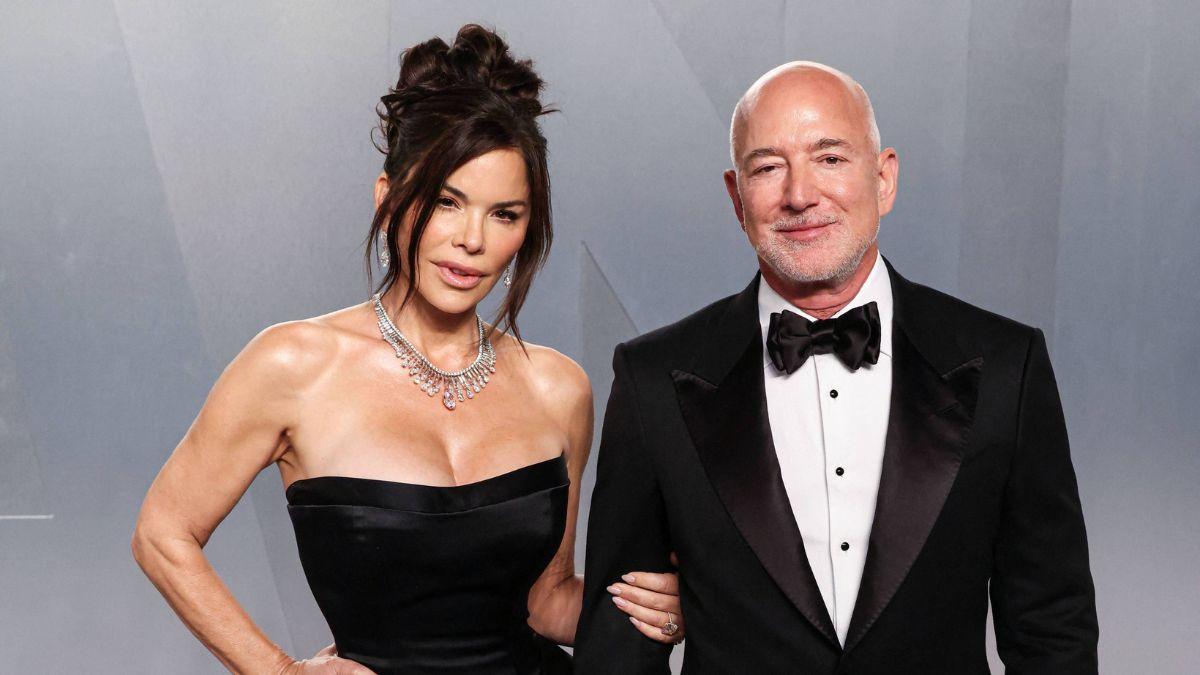
Silence was interpreted as a political stance.
“The safest response isn't a definitive stance, nor is it total silence — it is the ‘active observation’ pivot,” Kwatakye-Atiko says, describing a calculated approach “borrowed from politicians and law enforcement” where celebrities acknowledge an issue without taking a firm position.
Philip agrees the most successful stars are shifting away from explicit politics and toward broader values.
“There is a big difference between saying ‘I support this candidate’ and saying ‘I believe every child deserves to eat,’” she says. “One divides. One does not.”
When the Message Backfires
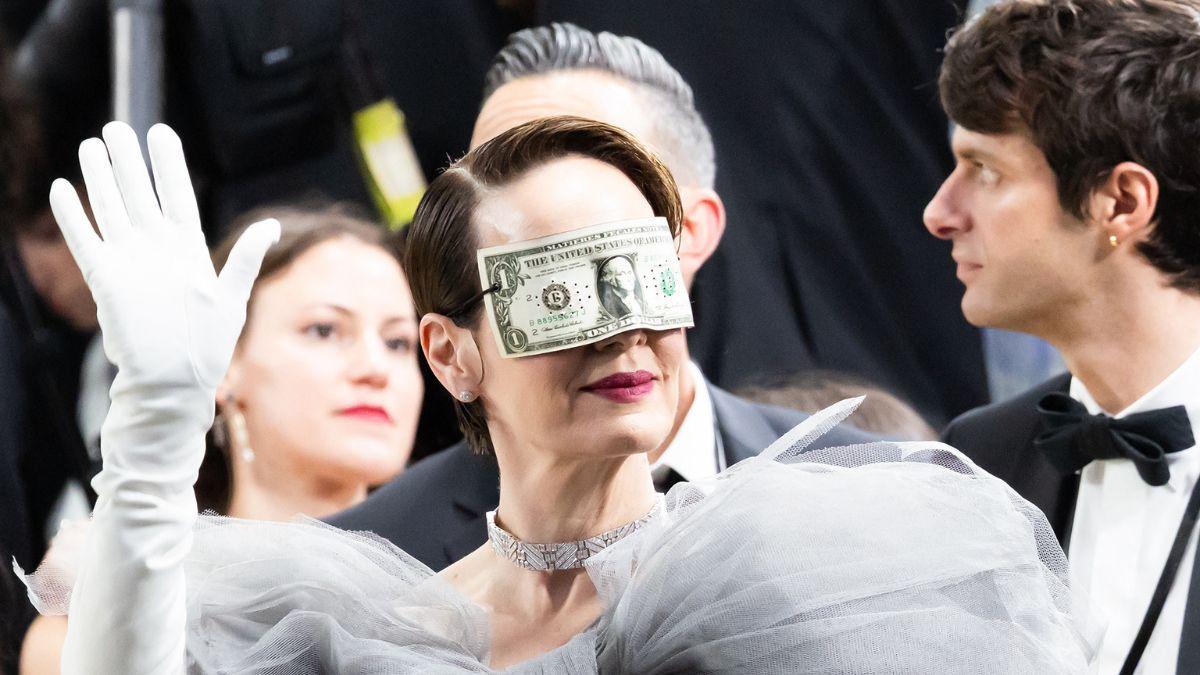
Fame and activism has become increasingly intertwined.
Not everyone agrees celebrities should engage at all. Bill Maher recently criticized stars for using awards shows as platforms for political messaging, arguing that such gestures can have the opposite of their intended effect.
Still, the expectation for celebrities to speak out shows no sign of fading.
“In 2026 every post is a press release. Every silence is a statement,” Philip says. “The celebrities who understand that are the ones still standing when the news cycle moves on.”