
 NEWS
NEWSBen Affleck and Matt Damon Sued by Miami Deputies Over 'The Rip' Hitting Too Close to Home

Two Miami deputies sued Ben Affleck and Matt Damon.

May 14 2026, Published 5:31 a.m. ET


Two Miami-Dade Sheriff’s Office deputies are suing Ben Affleck and Matt Damon’s production company, Artists Equity, arguing their Netflix crime thriller The Rip crossed the line between fiction and reality.
Jason Smith and Jonathan Santana, both sergeants, filed a defamation lawsuit claiming the film’s storyline is so closely tied to a real 2016 drug-money seizure case that viewers have connected them to the characters — and the crimes depicted on screen.
The Claim: Fiction That Feels Too Real


Ben Affleck and Matt Damon faced legal scrutiny over the film.
The Rip stars Affleck and Damon as South Florida officers who discover millions of dollars inside a house, a plot loosely inspired by a real case involving more than $21 million found in a Miami Lakes home tied to a suspected marijuana trafficker.
According to the lawsuit, Smith supervised the investigative team in that real case, while Santana served as lead detective. Though neither officer is named in the film, they argue that the inclusion of specific details led people in their personal and professional circles to believe they were portrayed.
The film depicts officers engaging in serious criminal conduct, including stealing seized drug money, conspiring with cartel members, committing murder and arson, and killing a federal agent. The officers claim those portrayals have damaged their reputations and public standing.
They are seeking compensatory and punitive damages, attorney fees, and a public retraction.
The Defense: A Fictionalized Story
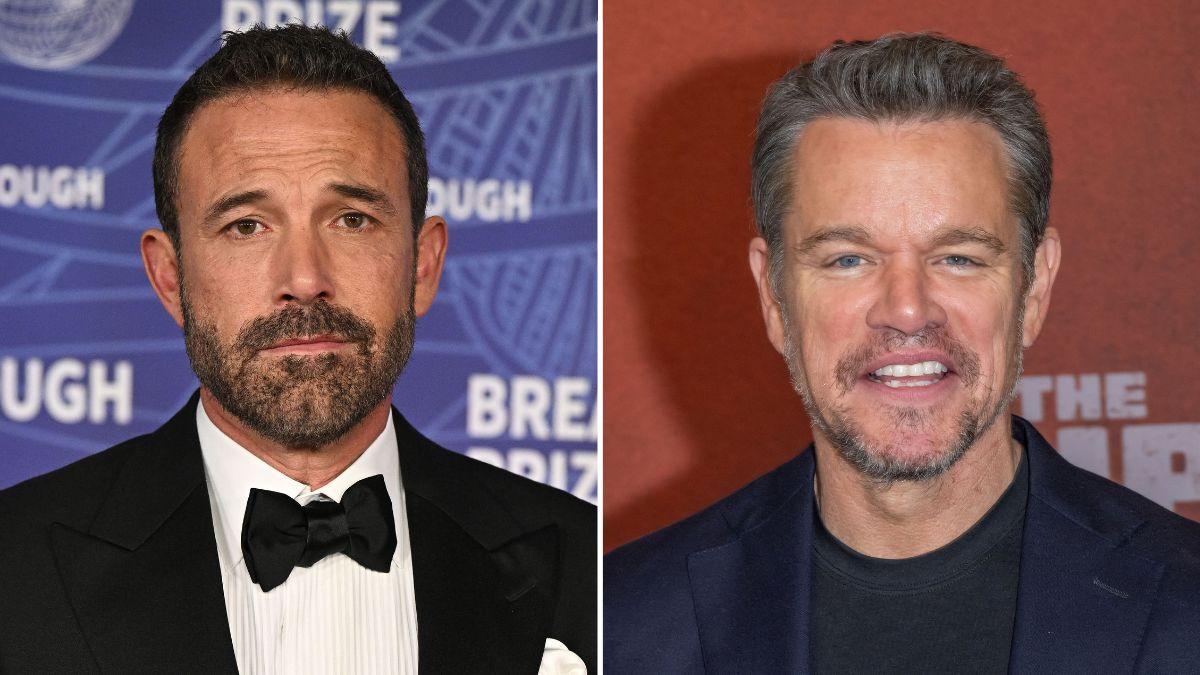
The lawsuit claimed viewers linked deputies to fictional crimes.
Artists Equity pushed back, arguing the film is clearly fictional.
In a response to the officers’ demand letter, the company’s attorney, Leita Walker, said The Rip does not claim to portray real individuals or tell a true story, noting that a clear disclaimer in the film’s credits. She also noted that the plaintiffs did not identify which specific characters were allegedly based on Smith or Santana.
- Ben Affleck Says He Used AI for 'Lots of Things' in His New Movie 'Animals' as He Explains His Ethical Approach
- Ben Affleck 'Never Heard' About Ana Navarro Trying to Set Him Up With Shakira: 'Stuff Gets Made Up'
- Ben Affleck Would 'Love' to Direct 'Fabulous' Ex-Wife Jennifer Garner in a Movie After She Turned Down Role in 'Animals'
Want OK! each day? Sign up here!
Artists Equity defended the movie as a fictionalized story.
Affleck and Damon have previously said the film was informed by conversations with Miami-Dade officers, including Miami-Dade Police Capt. Chris Casiano, who served as a technical advisor on the film.
The Legal Question: Can Viewers Make the Connection?
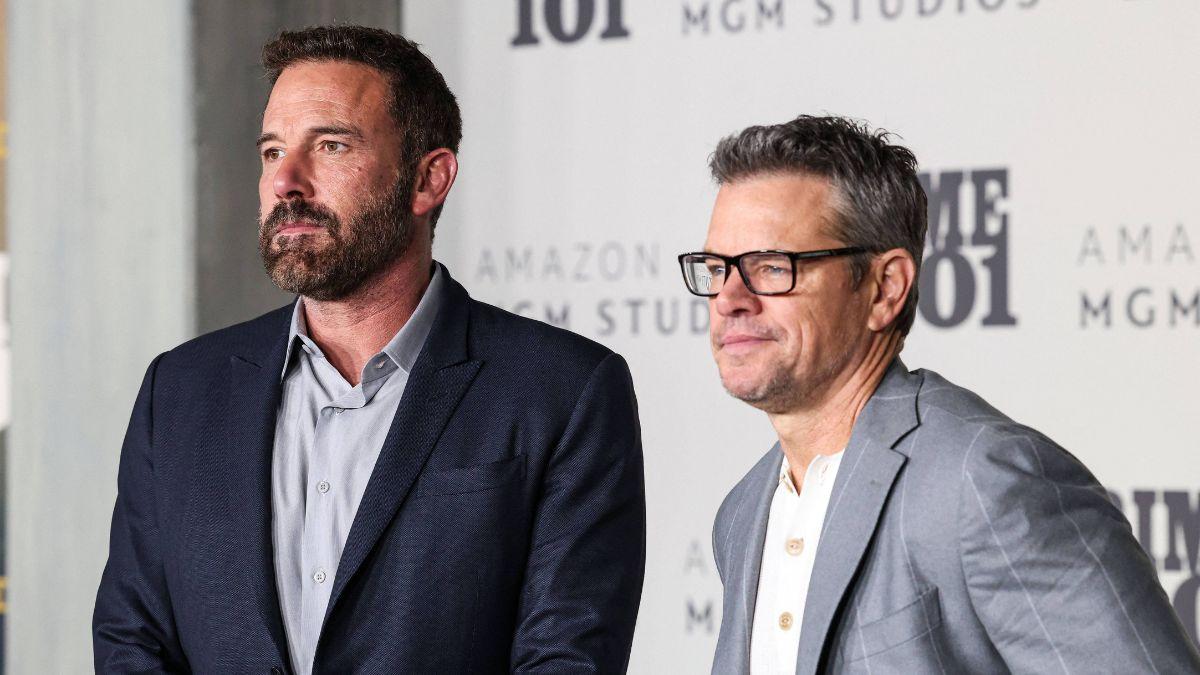
Legal experts questioned whether audiences could identify the officers.
“When a defamation or false-light claim involves a fictionalized film… one of the key legal questions is whether an average viewer could reasonably identify the plaintiffs as the people being portrayed,” said Tarlika Nunez-Navarro, a former Florida Circuit Court Judge and Dean and St. Thomas University College of Law.
She noted that disclaimers alone don’t eliminate risk if the similarities are specific enough. For law enforcement officers, allegations of corruption or criminal behavior can carry particular weight, given their impact on public trust.
“Plaintiffs generally must show that the portrayal was false, defamatory, identifiable, and caused reputational harm,” Nunez-Navarro said. “Depending on whether the officers are treated as public officials for purposes of the lawsuit, they may also need to prove actual malice — meaning knowledge of falsity or reckless disregard for the truth.”