
 Politics
Dan Scavino's AI Champagne Party Becomes a Midterm Messaging Problem as Expert Warns of Political Risks

Dan Scavino shared an AI-generated champagne party featuring Donald Trump allies at the White House.

Oct. 3 2026, Published 4:02 p.m. ET


White House Deputy Chief of Staff Dan Scavino shared an AI-generated vision of Trump allies spraying champagne and partying inside the White House, only to encounter criticism from prominent conservatives over its extravagant imagery.


The AI-generated video also featured Eric and Lara Trump partying.
Set to Pitbull’s “Don’t Stop the Party,” the Instagram video depicted Scavino alongside Erin Elmore, Eric Trump and Lara Trump spraying champagne. He later reposted another imagined sequence featuring President Donald Trump on horseback, jet-skiing on the Reflecting Pool and performing a keg stand with help from Vice President JD Vance, Elon Musk and Chinese President Xi Jinping.
Conservatives Reject the Party Optics
Want OK! each day? Sign up here!

Conservative figures criticized the lavish imagery amid concerns about everyday costs.
Conservative activist Carrie Prejean Boller responded to the video, declaring, “MAGA is dead.”
“You really have no shame, do you?” she wrote on X. “Many Americans can’t afford groceries, gas or their mortgage payment, and you post a tone deaf AI video of you and your buddies partying at the People’s House.”
Conservative commentator Meghan McCain commented on Scavino’s post that one of her friends “couldn’t afford air conditioner this summer.” Jonah Goldberg, editor-in-chief of the right-leaning The Dispatch, sarcastically commented that “this is precisely the midterm messaging the GOP needs.”
Anti-Trump conservative Sarah Longwell described the spectacle as “Real fall of Rome sh-t.”
“As the typical nutters are losing their s--t over AI created content, well done!” Scavino wrote alongside another user’s AI-generated video he reposted in response to criticism. “It is AI, correct?”
‘It Is AI’ Does Not Settle the Question
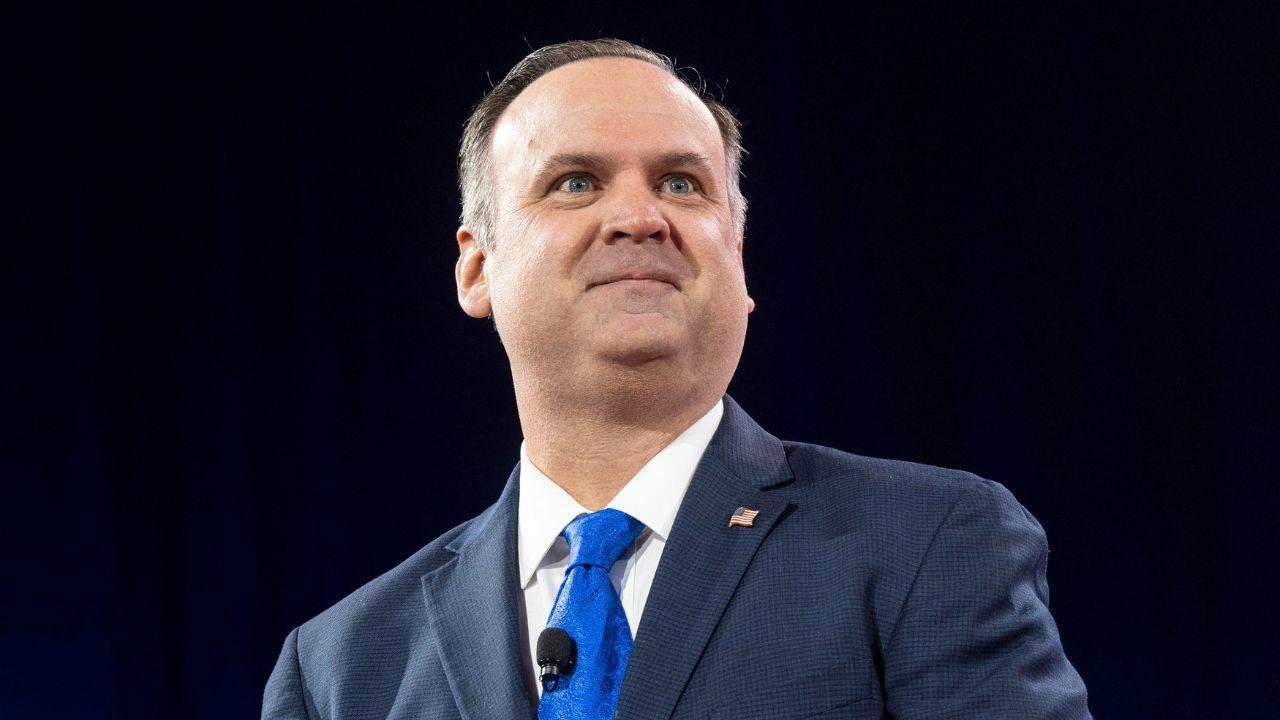
Dan Scavino defended the post by emphasizing that the footage was AI-generated.
“An AI-generated video can be obviously fictional and still communicate something audiences take seriously about the person sharing it,” said Abbie Maroño, PhD, a behavioral scientist specializing in trust and persuasion.
“Viewers may not believe the party happened, but they can still ask why a lavish celebration was considered an appropriate message,” she explained. “Saying ‘it is AI’ addresses the authenticity of the footage without addressing the judgment behind the post.”
Attention Does Not Guarantee Persuasion
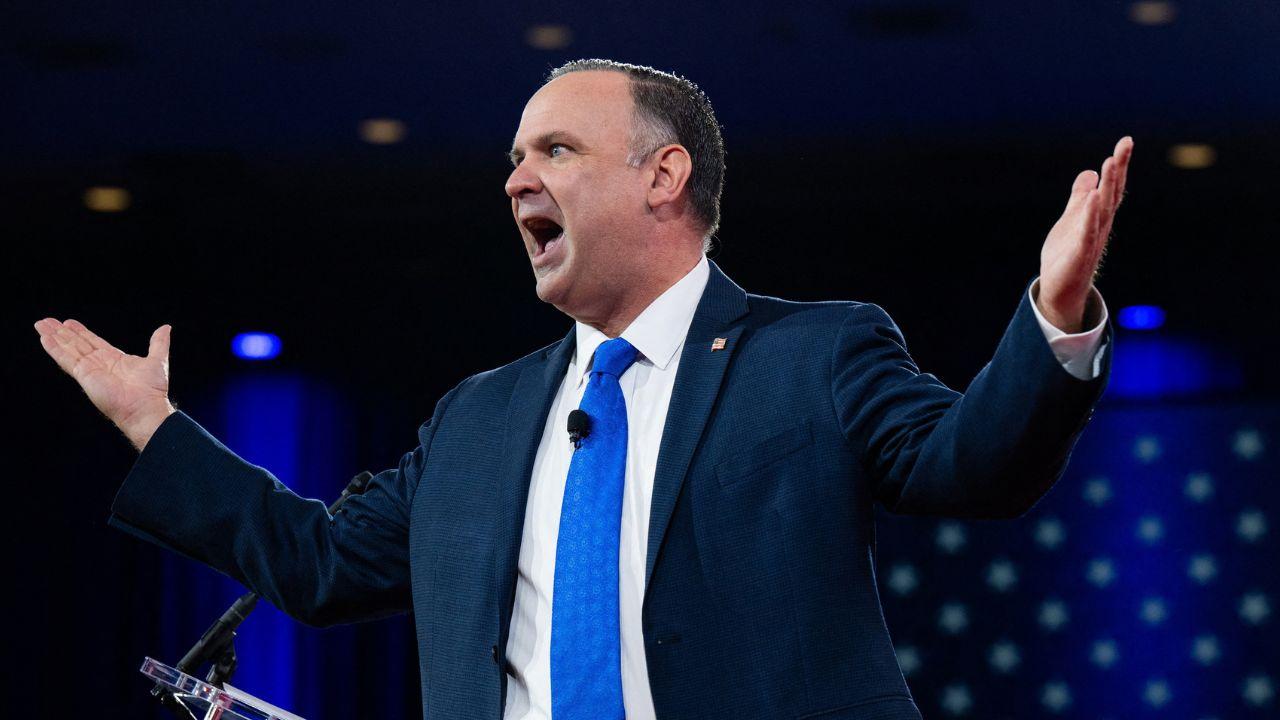
The controversial video gained attention beyond traditional political audiences.
“For viewers under financial pressure, the issue may be whether their leaders recognize their circumstances,” Maroño said.
“Imagery intended to communicate success or fun can instead suggest distance from those concerns,” she added. “Political branding has to account for both reactions.”
The party format also helped the post travel beyond conventional political audiences.
“People can share it to celebrate, ridicule or object,” Maroño noted.
“Those reactions can all increase its reach, but they have very different implications for trust,” she cautioned. “A successful attention grab can still be a poor persuasion strategy.”