
 Politics
Donald Trump Claims He's Solved '8 Wars' in Outrageous Statement as He Complains About Not Receiving Nobel Peace Prize

Following Michelle Obama's dig at Donald Trump's lack of a Nobel Peace Prize, the petulant POTUS revived claims he's solved eight wars.
June 23 2026, Published 4:19 p.m. ET


As his alleged plan to end the war in Iran is excoriated and ridiculed by experts as a humiliating loss and capitulation, President Donald Trump has resurrected his claim to have ended "eight wars,” contradicting documented historical and geopolitical facts.
While speaking to reporters in the Oval Office on Monday, June 22, the octogenarian joked about his exclusion from the Nobel Peace Prize, stating, "They don't think eight wars is enough ... I have to do 12 or 13, I think, even though nobody has ever done one."
Trump’s obsession with winning the Nobel Prize was mocked during Michelle Obama’s globally lauded speech at the opening of the Obama Presidential Center in Chicago.
While listing her husband's accomplishments during her speech, Michelle noted, "You were doing the people's work... rescuing our economy, expanding health care, ending a war, ordering the [Osama] bin Laden raid, saving an auto industry, winning a peace prize."
The Truth Behind Donald Trump's Statement

Donald Trump complained about not receiving the Nobel Peace Prize.
The mention of the Peace Prize drew widespread laughter and cheers from the audience, particularly from former Secretary of State Hillary Clinton. The remark was widely interpreted as a direct contrast to Trump, who has frequently complained about being denied the award despite his own efforts.
The fabulist president’s claim that no other president has "ever done one" ignores a long lineage of American presidential diplomacy. Historical examples include Theodore Roosevelt brokering the end of the Russo-Japanese War (which won him the Nobel Peace Prize), Jimmy Carter negotiating the Camp David Accords between Egypt and Israel and Bill Clinton's work on the 1993 Oslo Accords and the Dayton Agreement, which ended the Bosnian War.
Social media historians were quick to point out those pesky facts, with one wondering, “Hmmmm...anyone tell George Washington, James Polk, Abe Lincoln, William McKinley, Woodrow Wilson, FDR, George H W Bush, Bill Clinton, Jimmy Carter, and Theodore Roosevelt?”
Donald Trump's Claim Was Ridiculed on Social Media
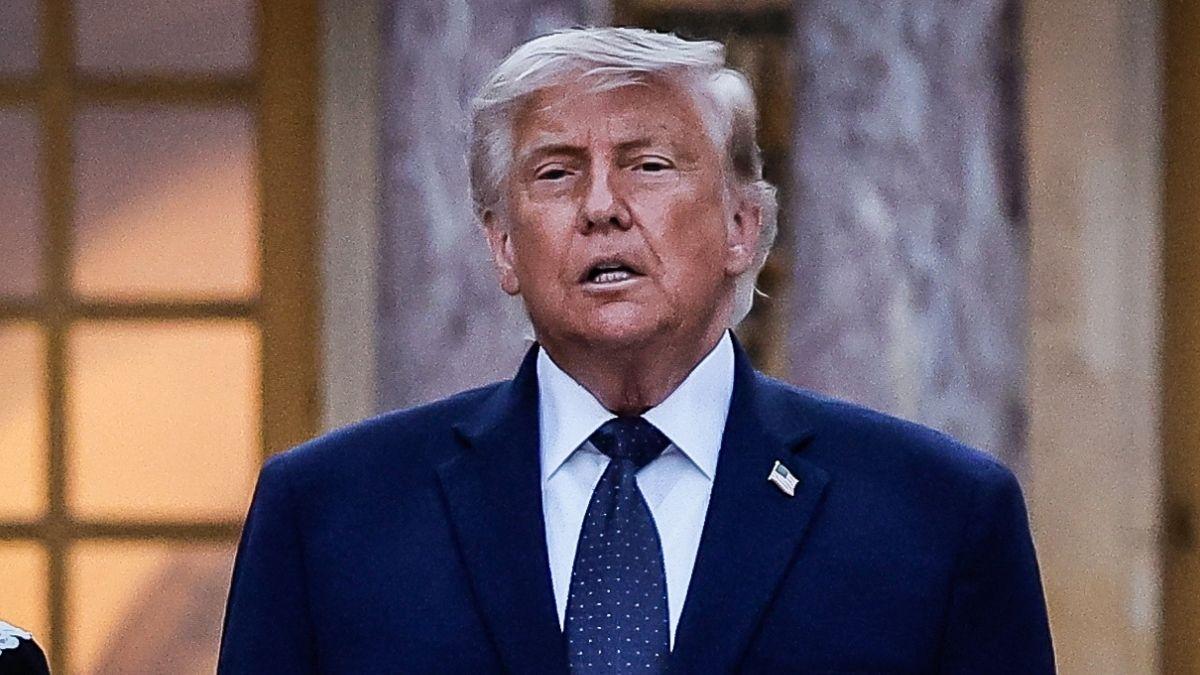
Social media users highlighted the POTUS' 'lies.'
“This is just one of TraitorTrump's lies that's so outrageously stupid you've gotta be an uneducated MAGAt to believe it,” quipped another critic.
Another accurately noted, “How many wars has he started or threatened to start? Iran, Venezuela, Greenland, Canada, Cuba, and the list goes on… So much winning! So much peace!”
The president’s actions in his second term have been called reckless by geopolitical experts, including those at the Cato Institute, who said, "As Trump completes the first year of his second term, he is demonstrating that his first term was merely a playful preview... This makes him potentially the most dangerous U.S. president yet."
- Donald Trump Appears Confused as He Can't Remember Which Country's War He 'Solved'
- Donald Trump Ditches Foreign Policy Questions at Kennedy Center Honors, Turns Attention to His Own 'Accomplishments'
- J.D. Vance Ridiculed by Critics After Claiming America 'Won Almost' No Wars Until Donald Trump Became President: 'This Is Pure Gaslighting'
Want OK! each day? Sign up here!
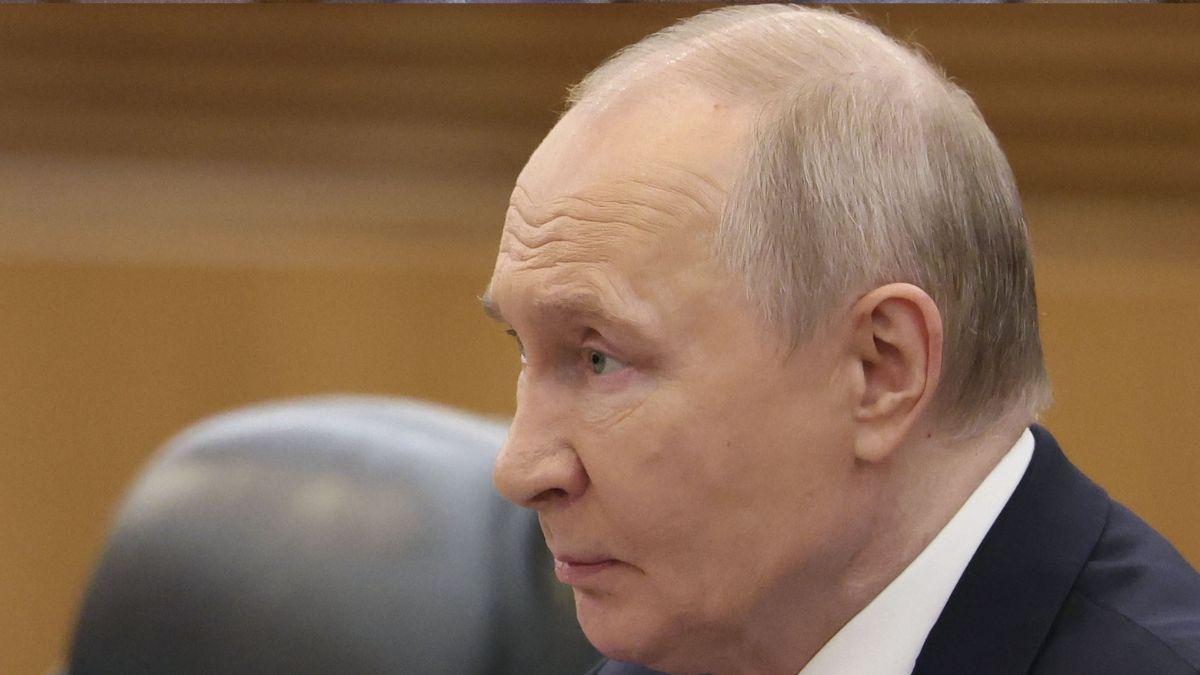
An analysis claimed 'a shifting US policy' could allow Vladimir Putin 'to get away with nuclear blackmail.'
Experts at the Brookings Institution argue that dismantling the post-WWII security architecture risks a return to historical global conflicts, writing, “If these actions are not met with resistance by other states, then international politics could revert to the dynamics that produced the world wars."
In an analysis published by the Bulletin of the Atomic Scientists, researchers point out how shifting U.S. priorities directly escalate nuclear vulnerabilities, writing, "There is a good chance that a shifting US policy... will allow Russian President Vladimir Putin to get away with nuclear blackmail, that Iran will become the world's 10th nuclear-armed state, and that we'll experience increased confrontation with China... catalyzing the new nuclear arms race."
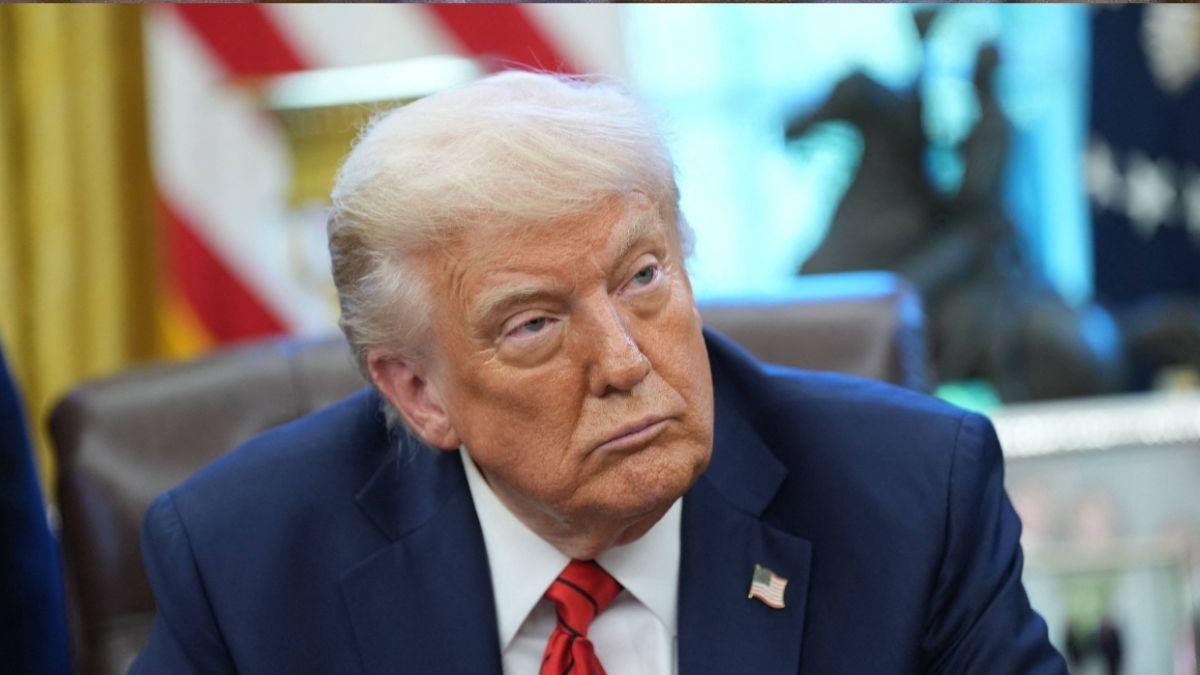
Donal Trump said he helped end eight wars.
Lawrence J. Haas, a senior fellow at the American Foreign Policy Council, warns that a transactional focus on the Western Hemisphere signals a dangerous retreat that adversaries will exploit.
"A world that wonders what the United States will do next beyond its shores is a world of less stability and greater risk,” he said.