
 Politics
Donald Trump Says He's 'Low-Keying It' on Iran After Reportedly Abandoning Key Aim

Donald Trump said the U.S. is ‘low-keying it’ on Iran.

Aug. 12 2026, Published 8:49 a.m. ET


President Donald Trump may be lowering the bar for what counts as success in his war with Iran.
After months of insisting the conflict was about stopping Tehran from developing a nuclear bomb, Trump has privately acknowledged to senior aides that he may have to end the war without securing that objective, according to The Wall Street Journal. The reported shift comes as the administration focuses more urgently on reopening shipping through the Strait of Hormuz.
That is a very different endgame from the one Trump has sold publicly since the war began February 28.
From Nuclear Threat to Shipping Lane

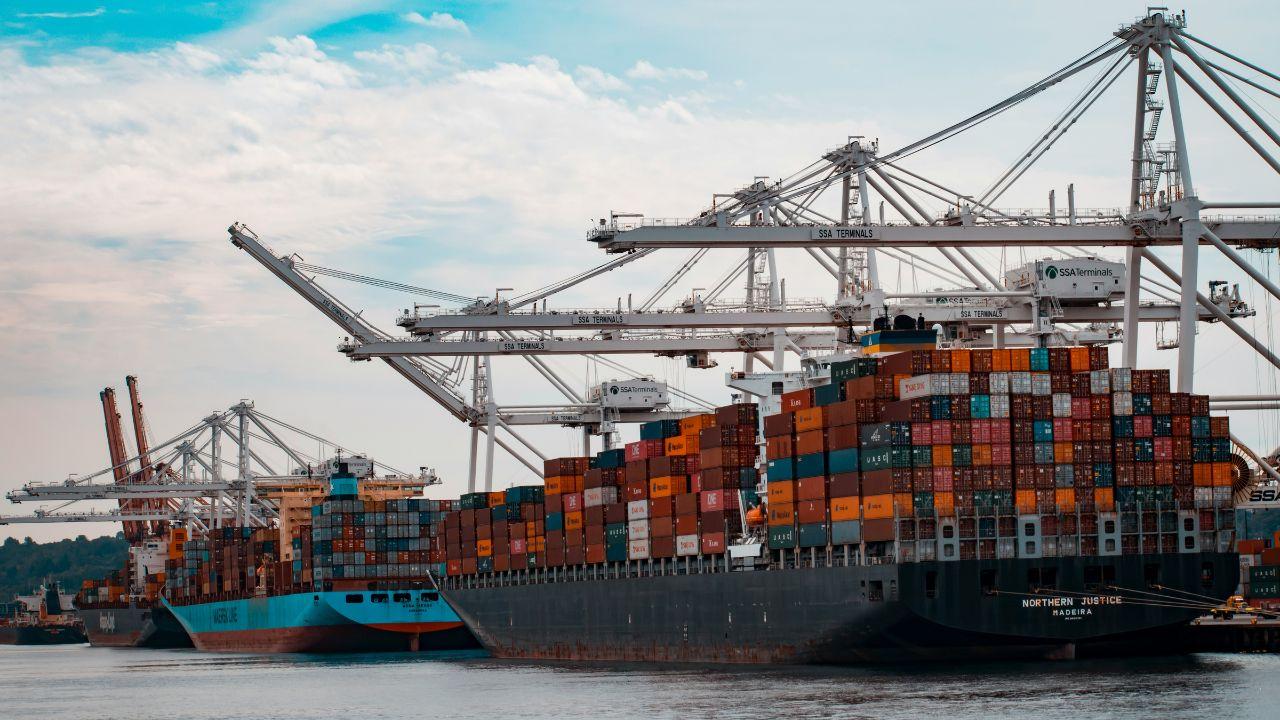
Donald Trump appeared to shift focus from Iran’s nuclear threat to shipping traffic.
Trump joined Israel in launching airstrikes against Iran at the start of the conflict, later settling on the nuclear threat as the central justification for the war. His administration then tried to fold the nuclear issue into a broader settlement with Tehran.
The Journal reported that Trump now privately views those demands as unrealistic and is focusing instead on restoring traffic through the Strait of Hormuz, a key route for global oil supply.
The waterway has become a pressure point for the White House. Its closure has helped drive up gas prices in the U.S., creating a political problem ahead of midterm elections already expected to turn heavily on affordability.
‘We Are Low-Keying It’
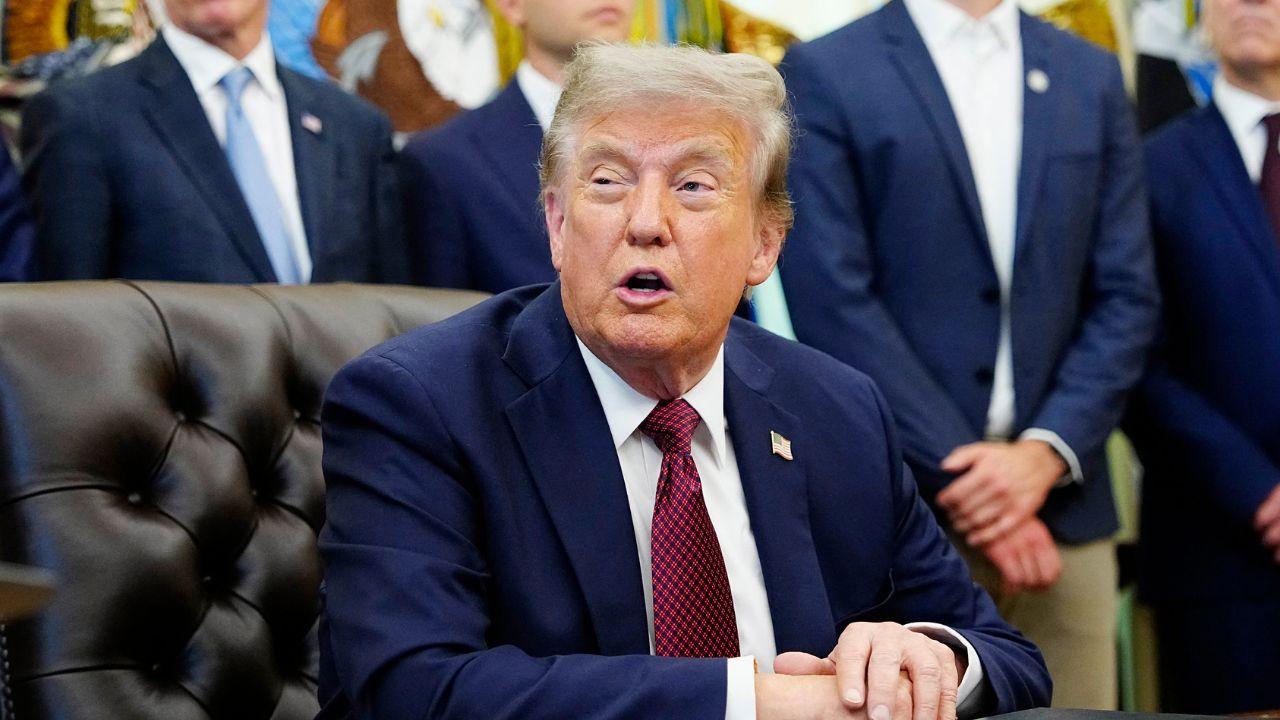
The administration prioritized reopening the Strait of Hormuz.
Trump sounded noticeably less combative in a Sunday interview with Axios.
“We are low-keying it,” he told the outlet.
The president said the U.S. is “only semi-negotiating” with Iran and is instead watching the country struggle economically.
“We are just watching Iran with its huge inflation and the fact they have no money,” Trump said.
He claimed that Iran is in “very bad shape” and cannot afford to keep paying its troops. He also suggested American consumers are feeling less pressure now that oil is slightly above $75 a barrel.
“It will work out. It always works out. It's like a chess game,” Trump said.
Want OK! each day? Sign up here!
A Deal Gets More Complicated
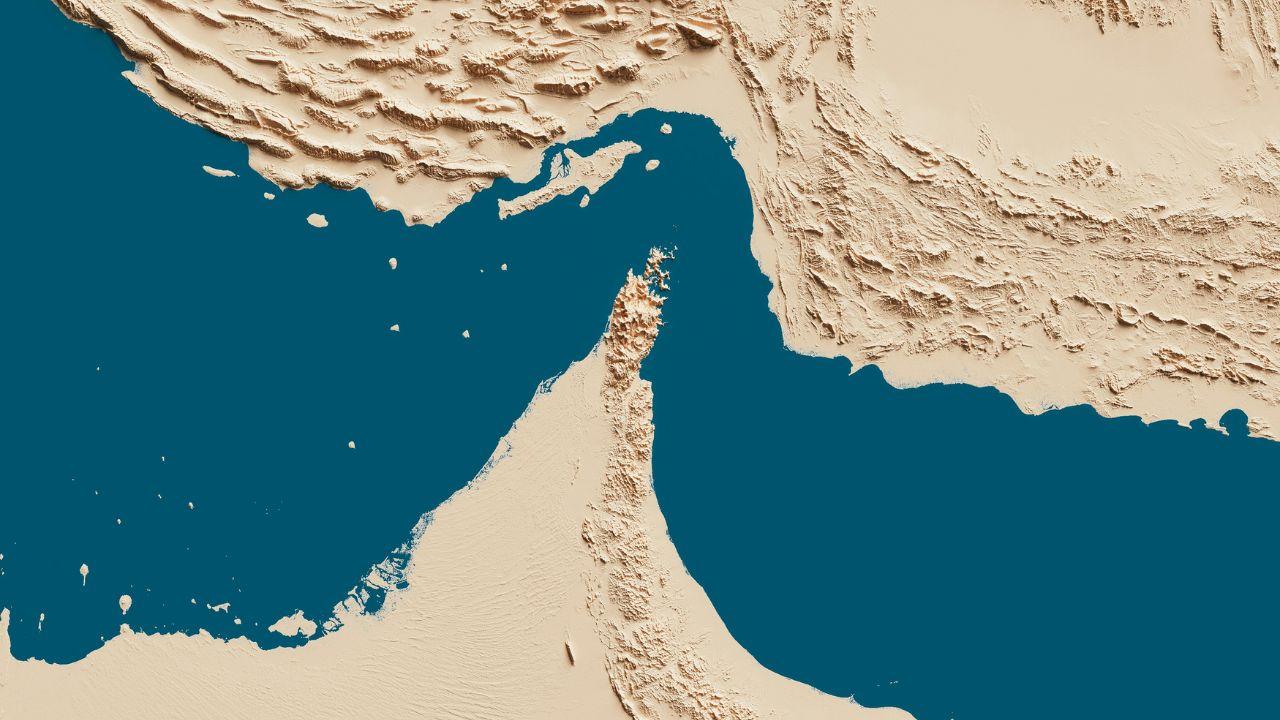
Iran reportedly attached new demands to any deal reopening the waterway.
Axios reported that the U.S., Oman and Iran had negotiated an agreement over Strait of Hormuz traffic, but its prospects faded after Iran added new demands.
Mohammad Bagher Zolghadr, head of Iran’s Supreme National Security Council, said reopening the strait would require the U.S. to stop threatening Iran, permanently end the war against Iran and its allies, lift the naval blockade, withdraw forces from Iran’s surroundings, lift sanctions, release frozen Iranian funds and compensate war damages.
Those conditions had previously been attached to a nuclear deal. Now Iran is raising them just to reopen the strait.
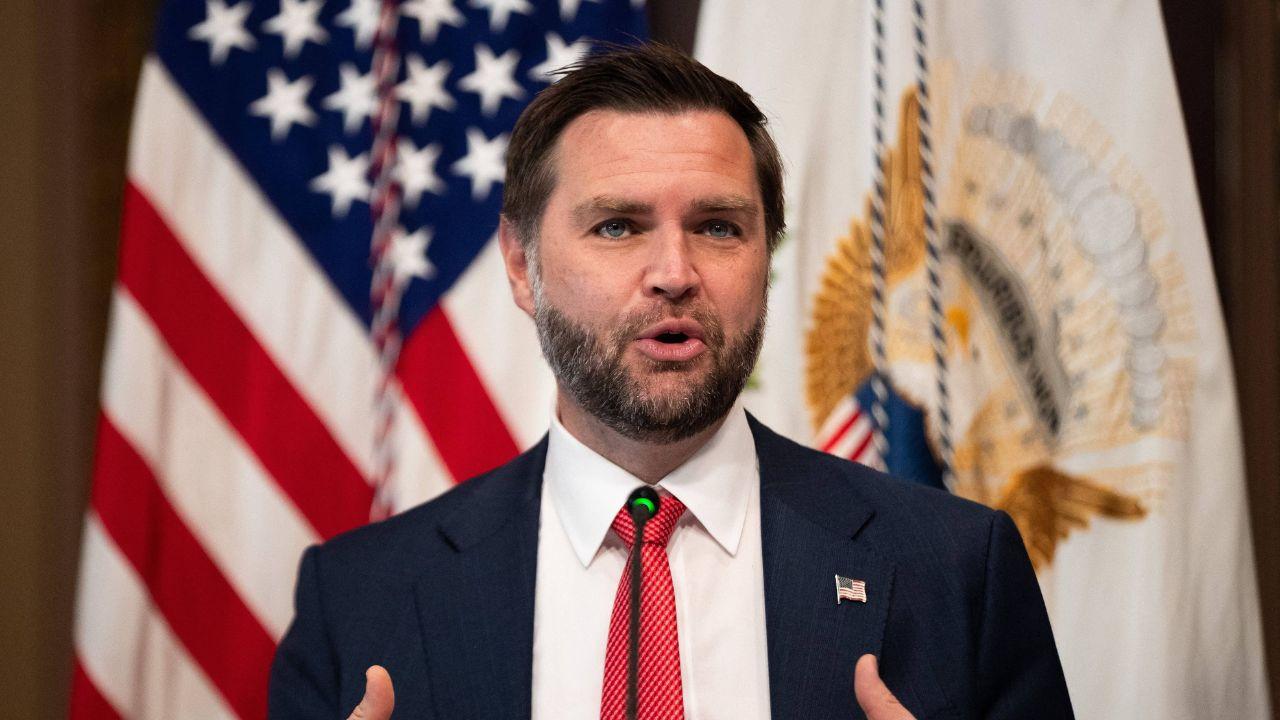
Vice President J.D. Vance said the conflict remained unresolved.
Vice President J.D. Vance told Fox News the conflict remains unresolved.
“We're in the middle of the game,” Vance said, “and we're applying a whole host of tools — diplomatic, economic, military tools — to ensure that we get the best outcome for the American people.”