
 Politics
Donald Trump's WHCD Speech Turns Into Celebrity-Style Feud as Critics Call It 'Mean and Small'

Donald Trump drew criticism for his White House Correspondents’ Dinner speech.

July 29 2026, Published 8:32 a.m. ET


President Donald Trump’s White House Correspondents’ Dinner speech quickly moved beyond the ballroom and into the reaction cycle.
Trump, 80, took the podium July 24 for a speech his staff had previewed as “unifying but vicious.” Instead, the hourlong address drew criticism from journalists, political figures and viewers online, with many arguing that the president’s jokes landed more like personal attacks than roast material.
A Speech Built Around Targets

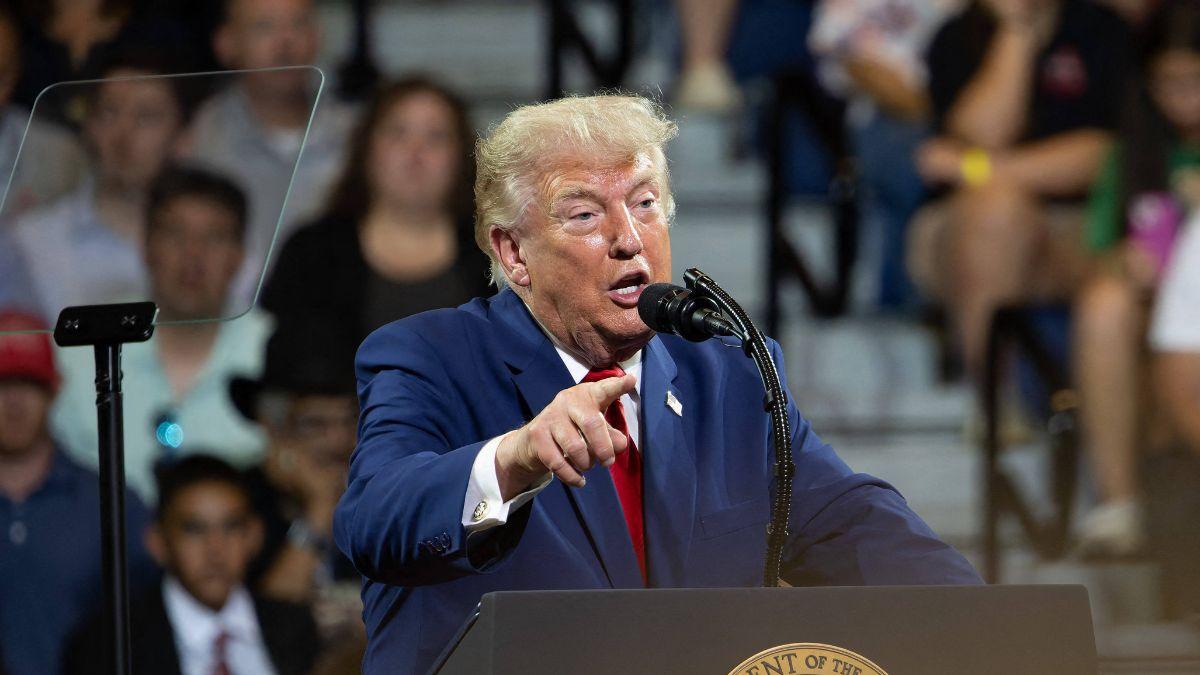
His remarks targeted political and media rivals.
Trump’s remarks included attacks on CNN’s Kaitlan Collins, California Gov. Gavin Newsom, the press, former President Joe Biden and Rosie O’Donnell.
He also donned a “Trump 2028” hat and joked about running again despite the Constitution’s two-term limit
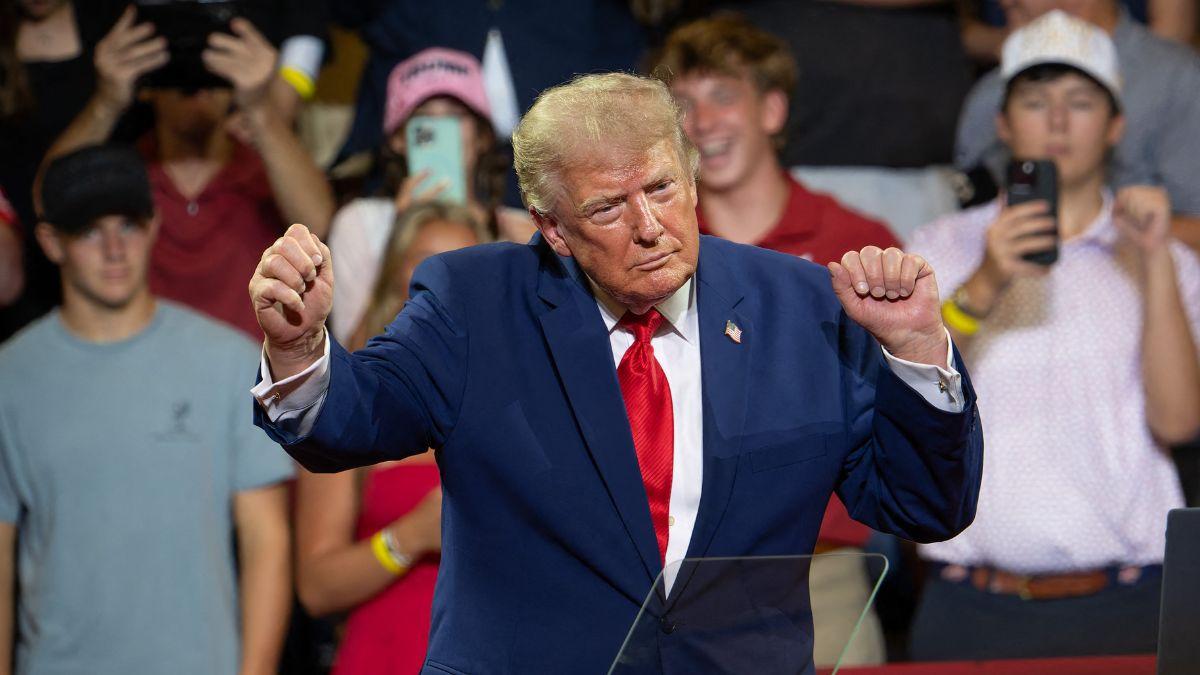
Critics described the speech as mean rather than funny.
“I think the worst thing you can say is it just wasn’t funny at all,” CNN commentator Van Jones said afterward. “It just wasn’t funny. It was mean and small, but you can be mean and small and funny...he didn’t talk about any American besides himself and his enemies.”
On X, Newsom’s official press account responded to a clip of Trump attacking Collins by writing, “Donald Trump is a pig.”
Want OK! each day? Sign up here!
When Politics Becomes Entertainment
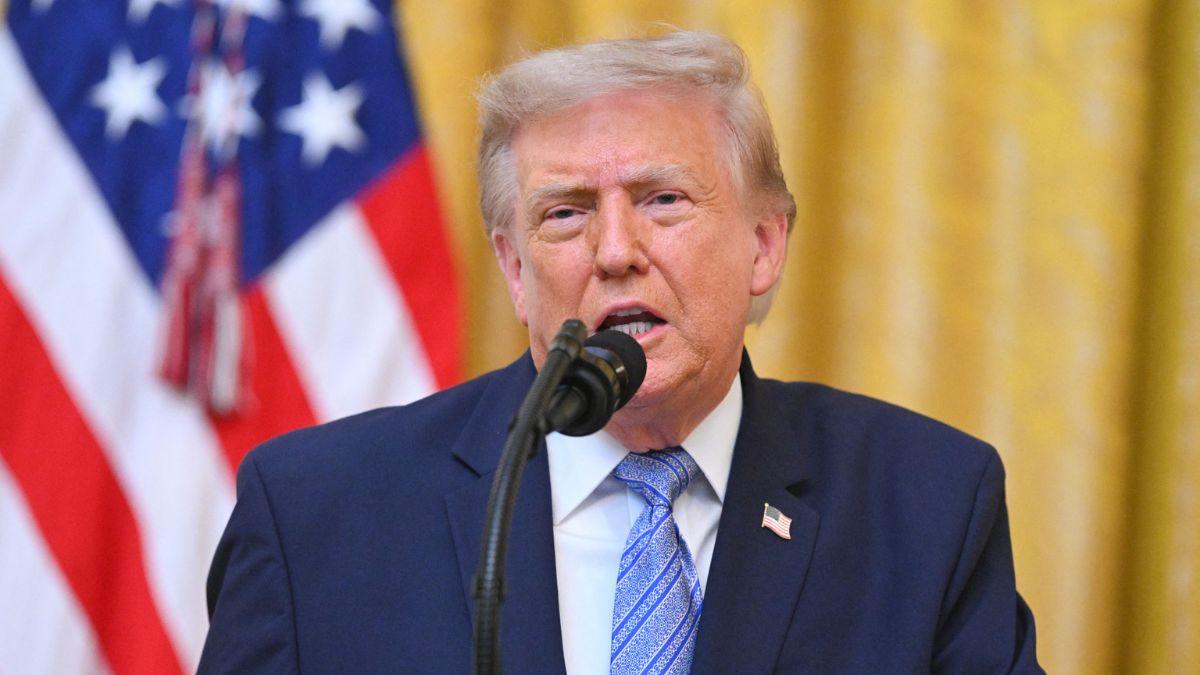
Experts said celebrity-style conflict overshadowed policy.
“What we're watching is politics fully absorbing the grammar of celebrity culture,” said Amore Philip, founder of Apples and Oranges Public Relations.
“When a presidential speech gets processed through TV panels, reaction clips, and personality feuds, the policy disappears and the personalities become the product,” Philip explained.
“That is by design. Conflict is the most reliable engine of attention,” she added. “The risk for everyone involved is that outrage is a currency that devalues fast. Audiences reward the first punch and tune out the tenth.”
The Risk of the Reaction Cycle
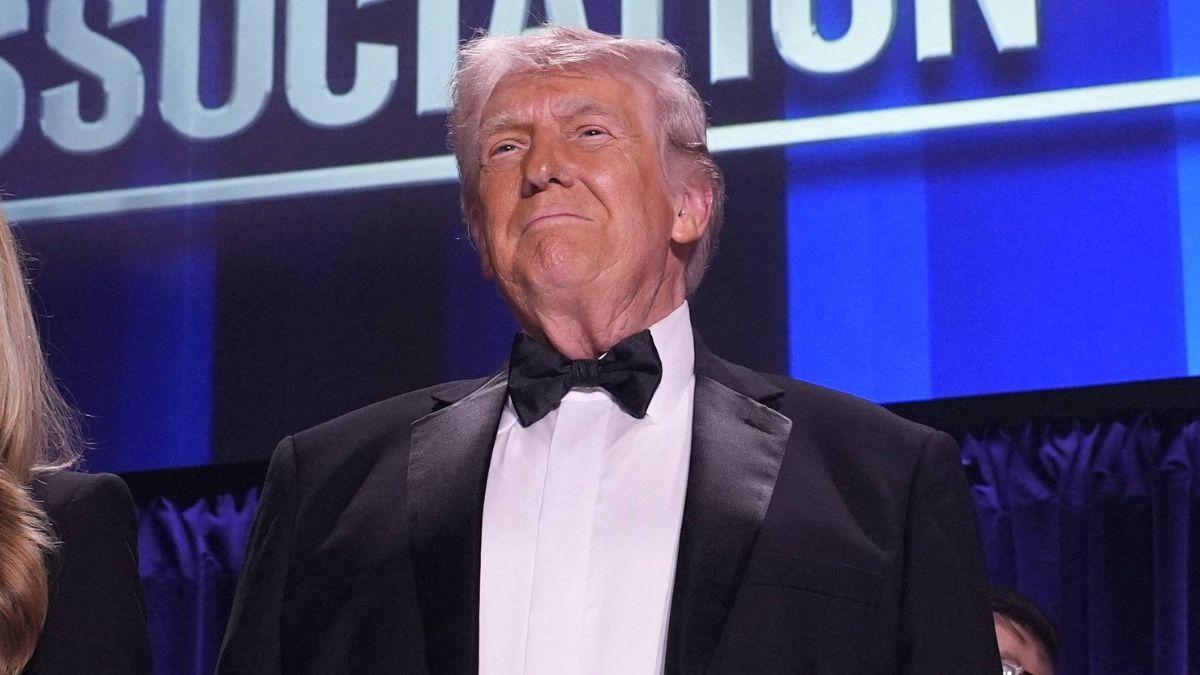
Critics said the speech sparked backlash and fueled debate over public perception.
The Washington Post’s Maura Judkis called the event “crass and surreal and deeply cringeworthy,” while online viewers compared clips of the speech to social media trolling.
“Reputational damage rarely comes from a single remark in isolation,” said media and cultural analyst Kaivan Shroff.
“Trump is already under heightened scrutiny over his age and acuity so giving a speech that is widely perceived as missing the mark, rambling, and aimed at his personal foes in media and Hollywood only plays into narratives that he is distracted and may have the wrong priorities,” Shroff noted.
“Conflict framing fundamentally and instantly changes how audiences process an event,” he added. “Instead of asking, ‘What happened?’ they begin assessing, ‘Who won? Who lost? Whose side am I on?’”