
 EXCLUSIVE
Inside the Forgotten Story of How Princess Margaret Smashed Royal Tradition With Her $1.2 Million Wedding Tiara — And Why It May Never Be Seen Again

Inside the forgotten story of how Princess Margaret smashed royal tradition with her $1.2 million wedding tiara.
Feb. 7 2026, Published 10:00 a.m. ET


Princess Margaret shattered royal convention on her wedding day by wearing a tiara she had bought herself in a glittering symbol of independence that set her apart from the House of Windsor – and which OK! can now reveal may now be lost to history.
When Margaret, who died in 2002 at age 71, married photographer Antony Armstrong Jones in May 1960, she became the first modern royal bride to reject the custom of borrowing a tiara from the royal collection.

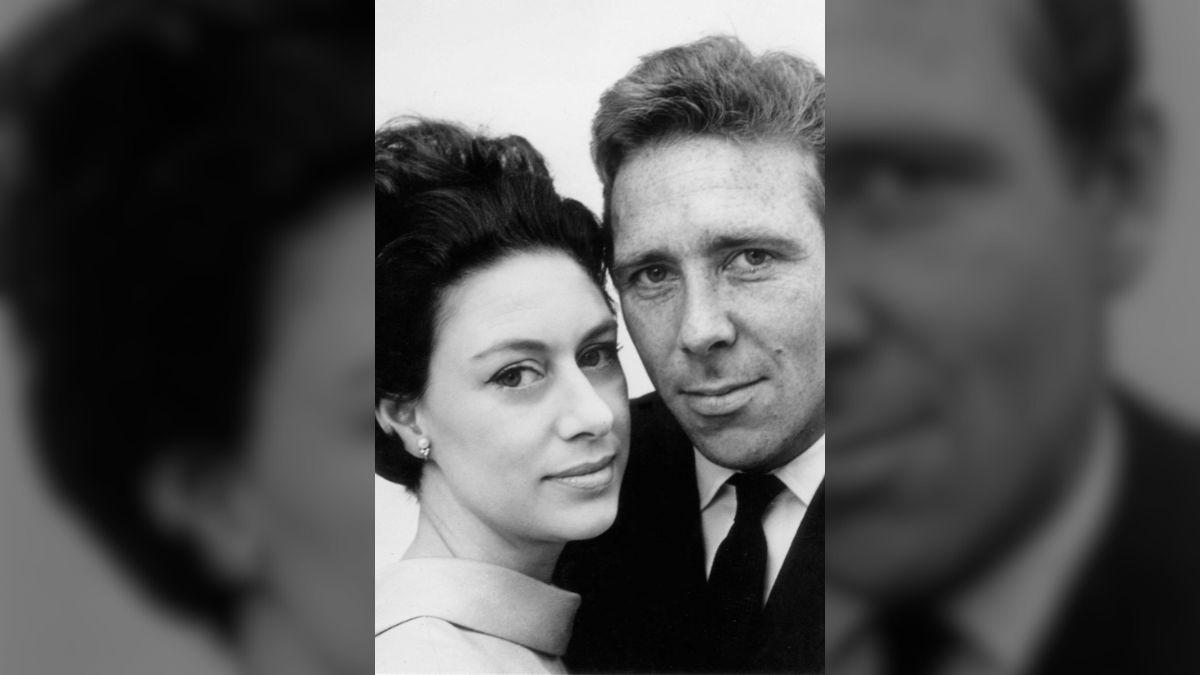
Princess Margaret married photographer Antony Armstrong Jones.
Instead, the then 29-year-old younger sister of Queen Elizabeth II chose the Poltimore Tiara, a dramatic diamond piece she had personally purchased at auction the year before, signaling a desire to define her public image on her own terms.
The decision placed Margaret firmly outside tradition decades before Princess Diana would similarly buck protocol by wearing her family's Spencer Tiara in 1981.
At the time, the choice was quietly radical. According to former crown jeweler Garrard, Margaret paid more than $7,500 for the Poltimore Tiara at auction in 1959, securing a piece with royal connections but no obligation to the Crown's vaults.
The history of the treasure stretches back to 1870, when it was commissioned for Lady Florence Poltimore.
Her husband, Baron Poltimore, served as treasurer to Queen Victoria's household, and the tiara was worn publicly during the coronation of King George V in 1911. Nearly 90 years later, it entered royal hands through Margaret's personal bid.
Margaret's defiance went further. Before her wedding, she wore the piece not as a tiara but as a fringe necklace, debuting it during a visit to the Royal Opera House.
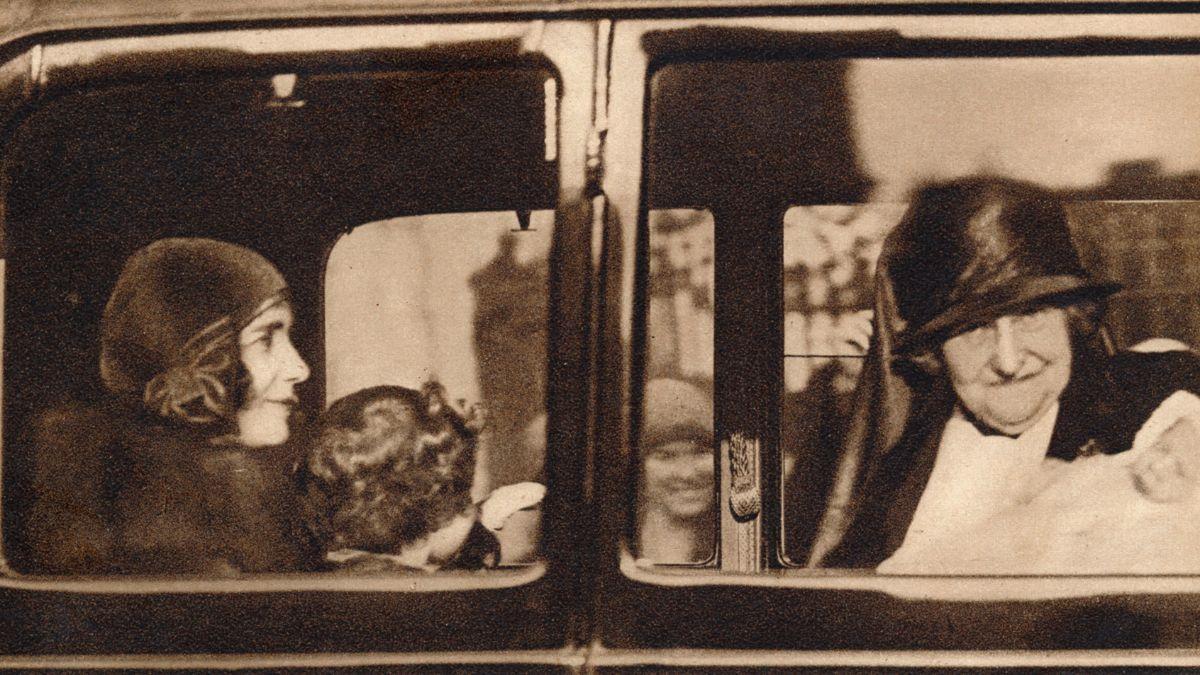
Princess Margaret paid more than $7,500 for the Poltimore Tiara.
The world would only see it restored to its towering tiara form on May 6, 1960, during her wedding at Westminster Abbey.
Her ceremony made history for another reason. It was the first royal wedding to be televised, drawing an estimated 300 million viewers worldwide.
For many, the tiara became inseparable from Margaret's image as a glamorous, rebellious royal.
In 1962, Armstrong Jones photographed his wife wearing the Poltimore Tiara while seated in a bathtub, an intimate portrait that captured Margaret's playful disregard for royal stiffness.
- Princess Diana's Iconic Wedding Dress On Display At Kensington Palace As Part Of 'Royal Style In The Making' Exhibition
- Kate Middleton & Meghan Markle Wear Queen Elizabeth II's Jewelry To Funeral In A Loving Tribute To Her Majesty
- Kate Middleton Wears Catherine Walker Coat Dress, The Queen's Pearls To Prince Philip's Funeral — Get The Look
Want OK! each day? Sign up here!
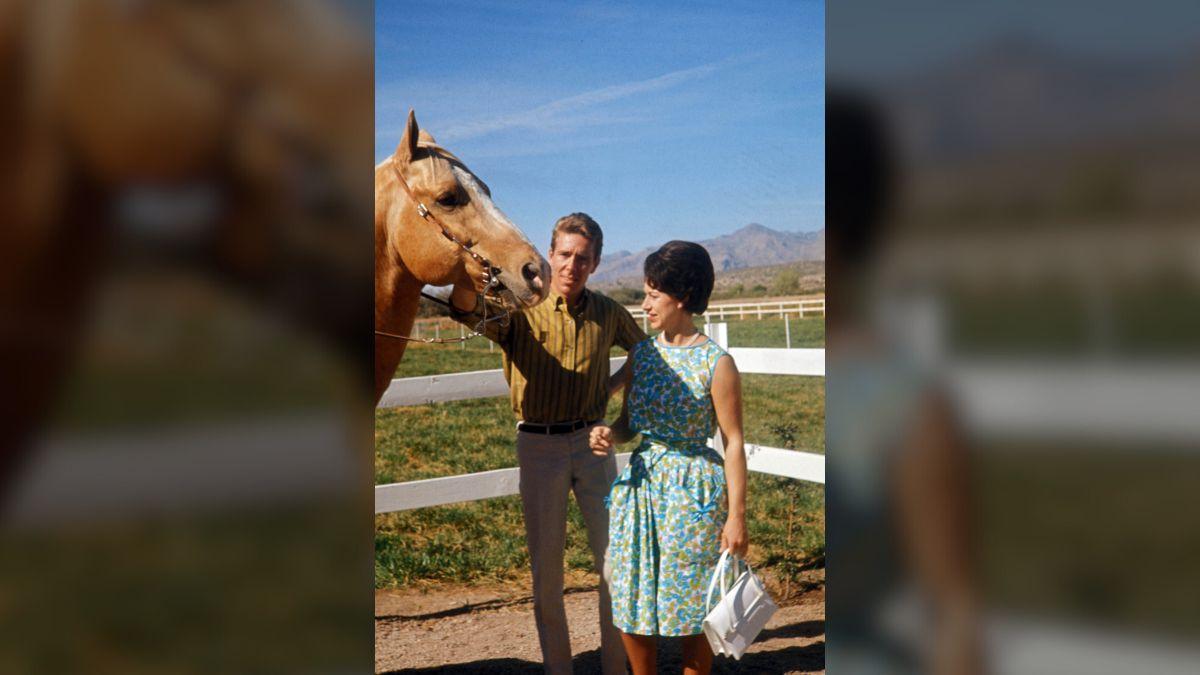
Antony Armstrong Jones photographed Princess Margaret wearing the Poltimore Tiara.
The image was later withdrawn from public display but resurfaced during Kensington Palace's 2022 exhibition, Life Through a Royal Lens.
The Poltimore Tiara itself is an ornate feat of Victorian craftsmanship.
Its tall scrollwork frame encloses clusters of cushion-shaped and old-cut diamonds, mounted in silver and gold. Designed to be versatile, it can be dismantled into a necklace and 11 brooches, a feature Margaret delighted in exploiting.
Margaret continued to wear the tiara in the years following her marriage, though few photographs survive. After her death, her children inherited her private jewelry collection.
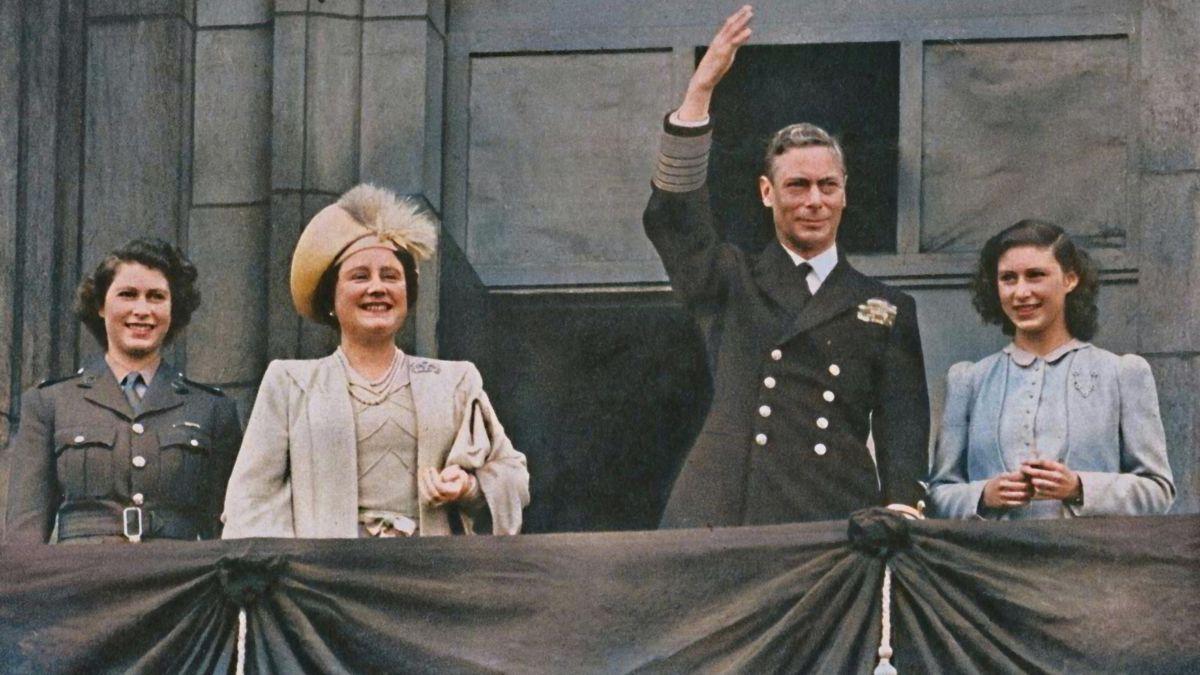
Princess Margaret continued to wear the tiara after her marriage.
In 2006, they consigned the Poltimore Tiara to auction at auction house Christie's, where it sold for £926,400 – equivalent to about $1.2 million in today's terms.
Now owned by a private buyer, the tiara is no longer part of the royal story. Unlike the crowns locked behind palace glass, Margaret's wedding tiara may never be seen again, with sources saying the identity of the purchaser is still unknown.
A source said: "It seems it is stashed in vault somewhere and will be something the world may never gaze on again."