
 Politics
Kennedy Center Controversy: Legal Fight Erupts Over Donald Trump Name Change

Rep. Joyce Beatty filed a court motion challenging the Kennedy Center renaming.

March 27 2026, Published 8:24 p.m. ET


The Kennedy Center, long considered one of America’s most prestigious cultural landmarks, is now at the center of a political and artistic firestorm, as a legal push intensifies to strip President Donald Trump’s name from the institution.
At the heart of the controversy is a federal court motion filed by Rep. Joyce Beatty (D-Ohio), who argues that the move to rename the venue violates the law and undermines its purpose as a memorial to President John F. Kennedy.
A Legal Battle Over Legacy

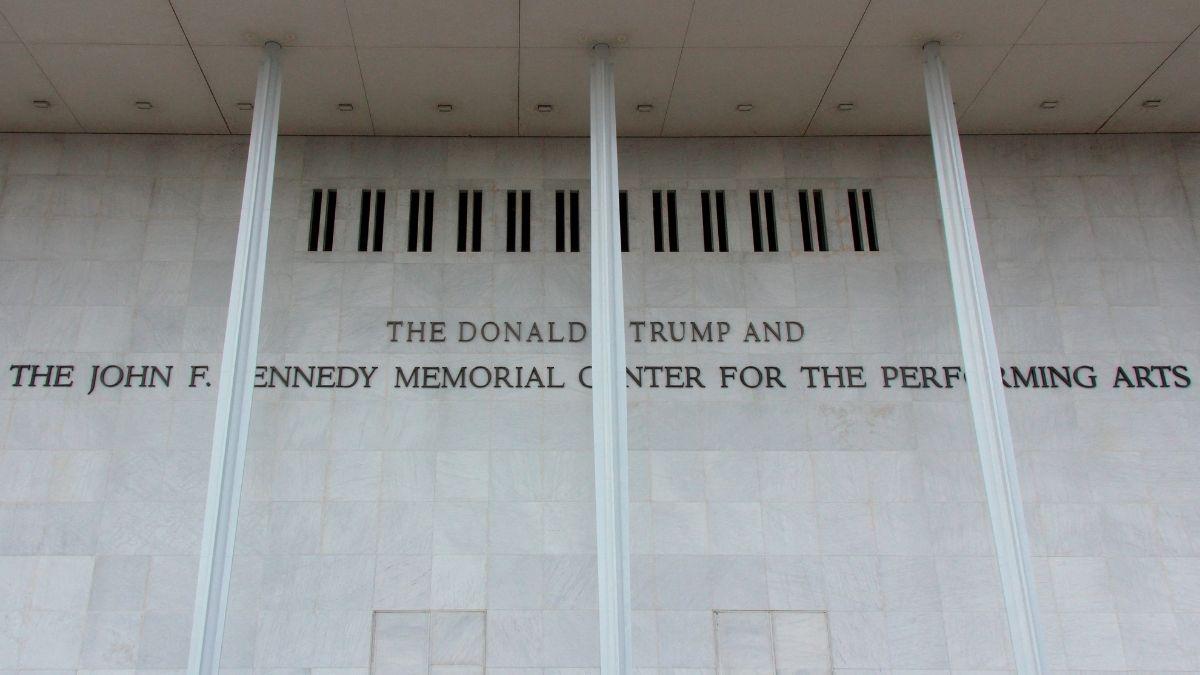
John F. Kennedy Center for the Performing Arts became the center of a legal and cultural dispute.
Beatty’s filing contends that Congress alone has the authority to name or rename the Kennedy Center, which was established in 1964 as the “sole memorial” to Kennedy following his assassination.
“Donald Trump’s attempt to rename the Kennedy Center after himself is not just an act of ego. It is an attempt to subvert our Constitution and the rule of law,” Beatty said in a statement.
“There is no clearer or more significant breach of fiduciary duty than the Board flouting the central purpose of the institution it is charged with protecting… to maintain the Center as a memorial to John F. Kennedy — and to no one else,” her legal team wrote in their filing.
The board, now largely composed of Trump appointees, approved the name change in December. Trump, who serves as chairman, had already publicly announced the move.
Artists and Institutions Push Back

Artists including Renée Fleming withdrew performances in protest.
The fallout has extended well beyond the courtroom. A wave of high-profile artists and productions — including Philip Glass, Renée Fleming, Hamilton, and Ben Folds — have withdrawn from the venue in protest.
The backlash highlights the Kennedy Center’s unique role as both a national institution and a cultural gathering space, where artistic independence has historically been seen as central to its identity.
Beatty’s legal filing argues that the renaming and a planned shutdown of the venue for renovations were rushed and lacked proper consultation. Her attorneys described the process as “haphazard and irrational,” warning it could cause “irreparable damage to a national treasure.”
- Donald Trump Under Fire for Repainting Air Force One in His Preferred Color Scheme: 'Wish He Would Concentrate on Other Things'
- Melania Trump Allegedly Voiced Concerns About Controversial Demolition of East Wing
- Donald Trump Ditches Foreign Policy Questions at Kennedy Center Honors, Turns Attention to His Own 'Accomplishments'
Want OK! each day? Sign up here!
The Closure Controversy
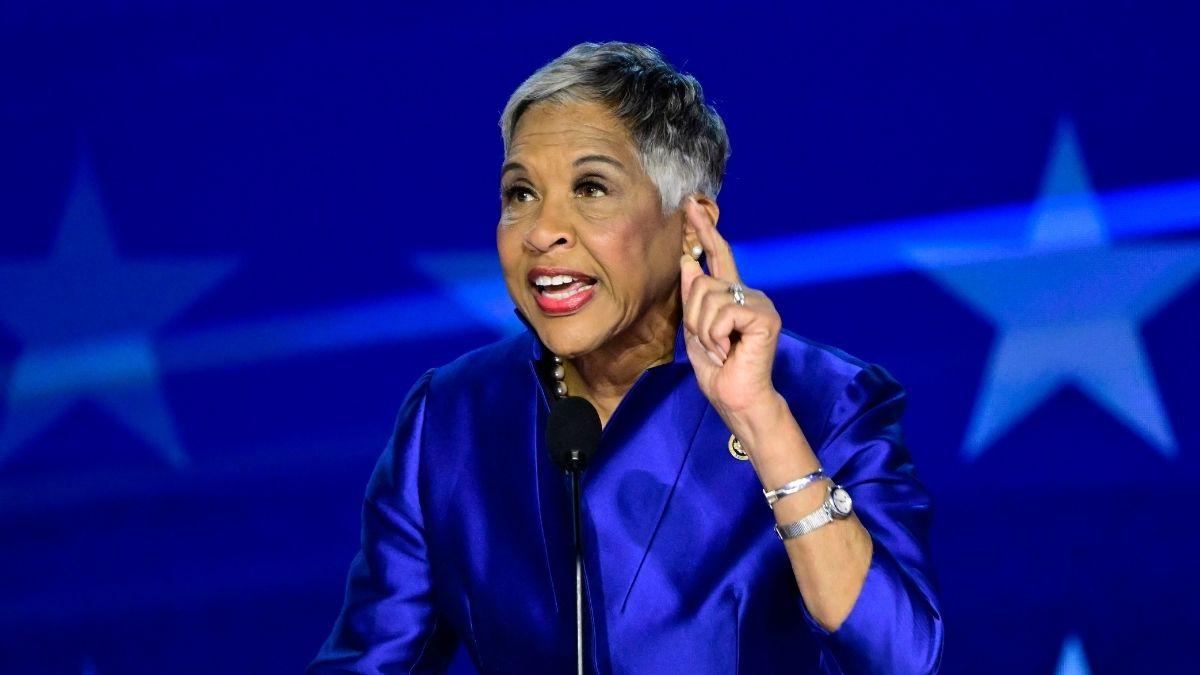
Rep. Joyce Beatty also seek to block the planned closure of the Kennedy Center for renovation.
In addition to the naming dispute, Beatty is seeking to block plans to close the Kennedy Center in July for what has been described as a multi-year renovation.
Trump has defended the closure as necessary to accelerate repairs, arguing that keeping the center open would disrupt performances. But critics say the decision was made without sufficient planning or transparency.
A coalition of major architecture and preservation organizations has also filed a separate lawsuit, asking the court to halt any further work until proper approvals are obtained.
“The purpose of closure… can only be an unlawful demolition-first-ask-questions-later approach,” Beatty’s legal team wrote, drawing comparisons to previous controversial redevelopment decisions.
A Cultural Institution in Flux
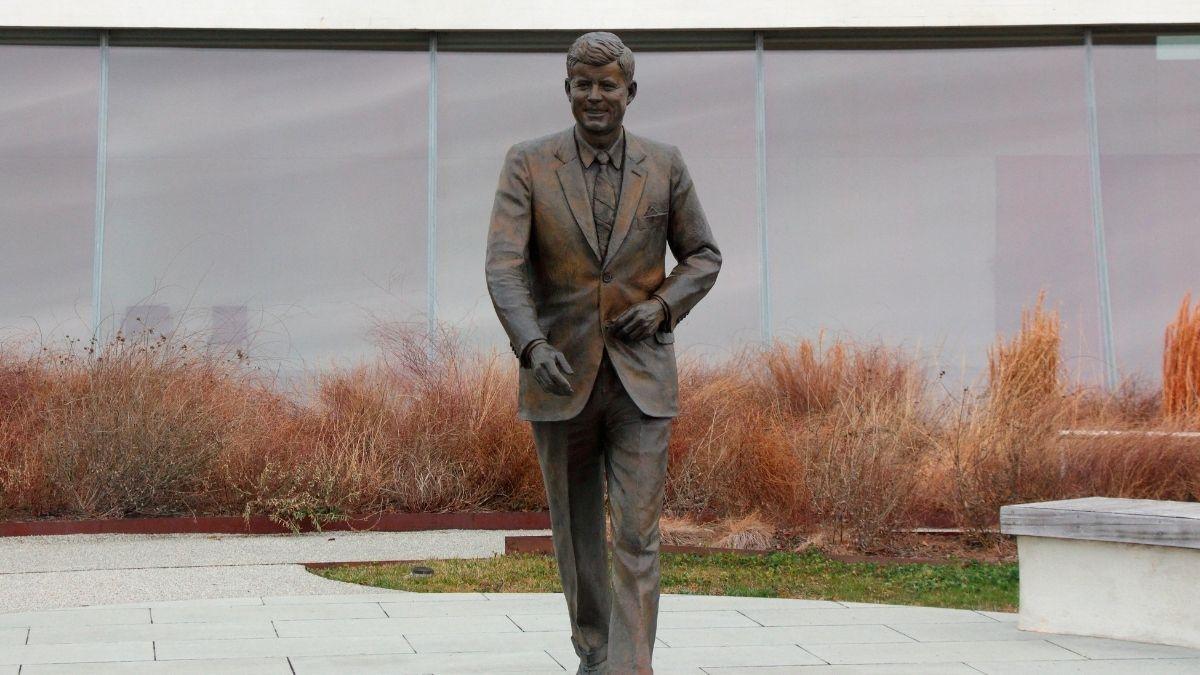
The venue’s renaming and planned closure intensified tension between politics and the arts.
The dispute underscores a broader tension between politics and the arts, as control of Kennedy Center and its identity hang in the balance.
While the courts will ultimately decide whether the name change stands, the immediate impact is already apparent: a fractured relationship between the institution and parts of the artistic community it has long served.
What was once a stage for performances has become the stage for a high-profile clash over history, power and the meaning of a national monument.