
 ENTERTAINMENT
Madonna's VMA Comeback Sparks Lipsync Claims as Expert Says 'Various Factors' Can Lead to Pre-Recorded Performances

Madonna returned to the MTV Video Music Awards stage for the first time since 2003.

Oct. 4 2026, Published 12:19 p.m. ET


Madonna returned to the MTV Video Music Awards stage for the first time since 2003, but her performance quickly prompted accusations that she was lipsyncing.
The 68-year-old opened the ceremony with Sabrina Carpenter for their Confessions II collaboration “Bring Your Love” before Charli XCX joined them for “Danceteria.”


Madonna opened the ceremony and performed with Sabrina Carpenter.
Madonna also led the ceremony with 13 nominations, ahead of Taylor Swift with 11, Carpenter with nine, Ariana Grande with eight and Bruno Mars with six.
Viewers See a Mismatch
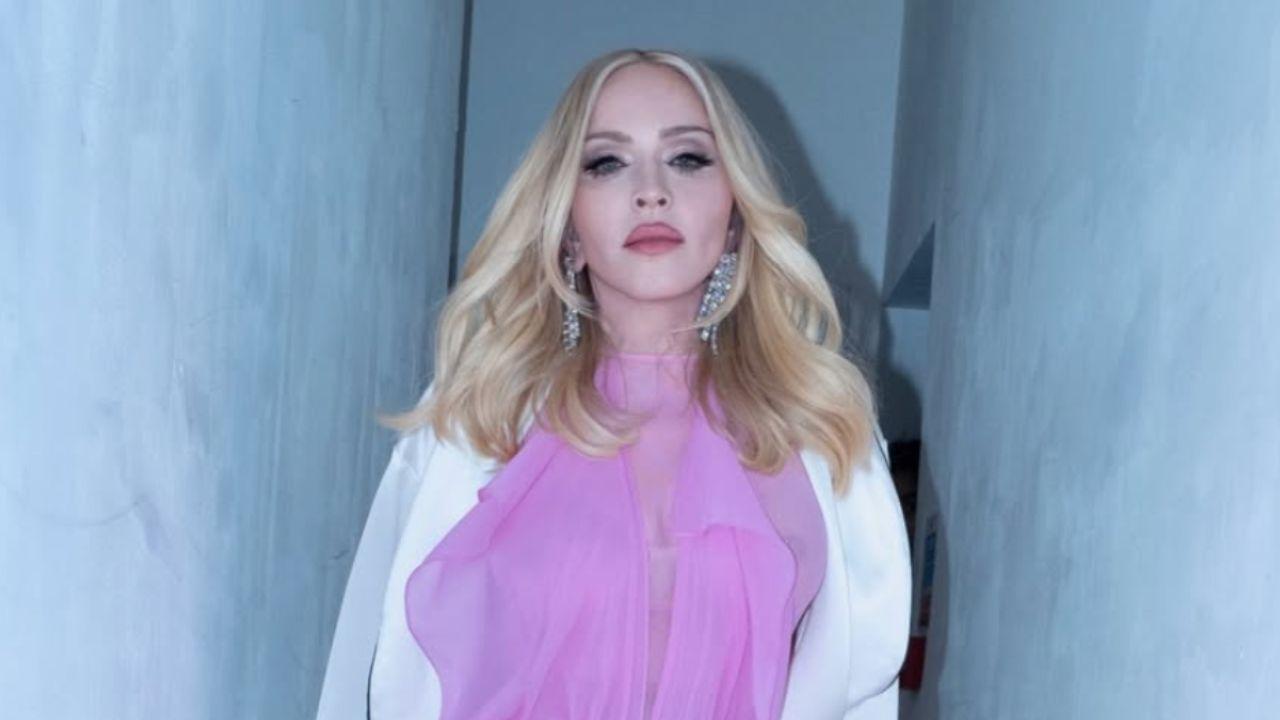
Viewers questioned Madonna’s vocals after noticing apparent performance mismatches.
Some viewers on social media pointed to moments when Madonna’s mouth or microphone placement appeared inconsistent with the vocals.
Andrew Campbell of U.K.-based location-sound company Fresh Audio Ltd. said debates about lipsyncing erupt around major televised performances because audiences expect singers to deliver live.
“People at home and in the venue may often feel robbed because they want the artist to be at their best each time they appear on stage,” Campbell said.
“They think lipsyncing is a sign of low effort or lack of talent,” he added.
Want OK! each day? Sign up here!
The Realities of Live Performance
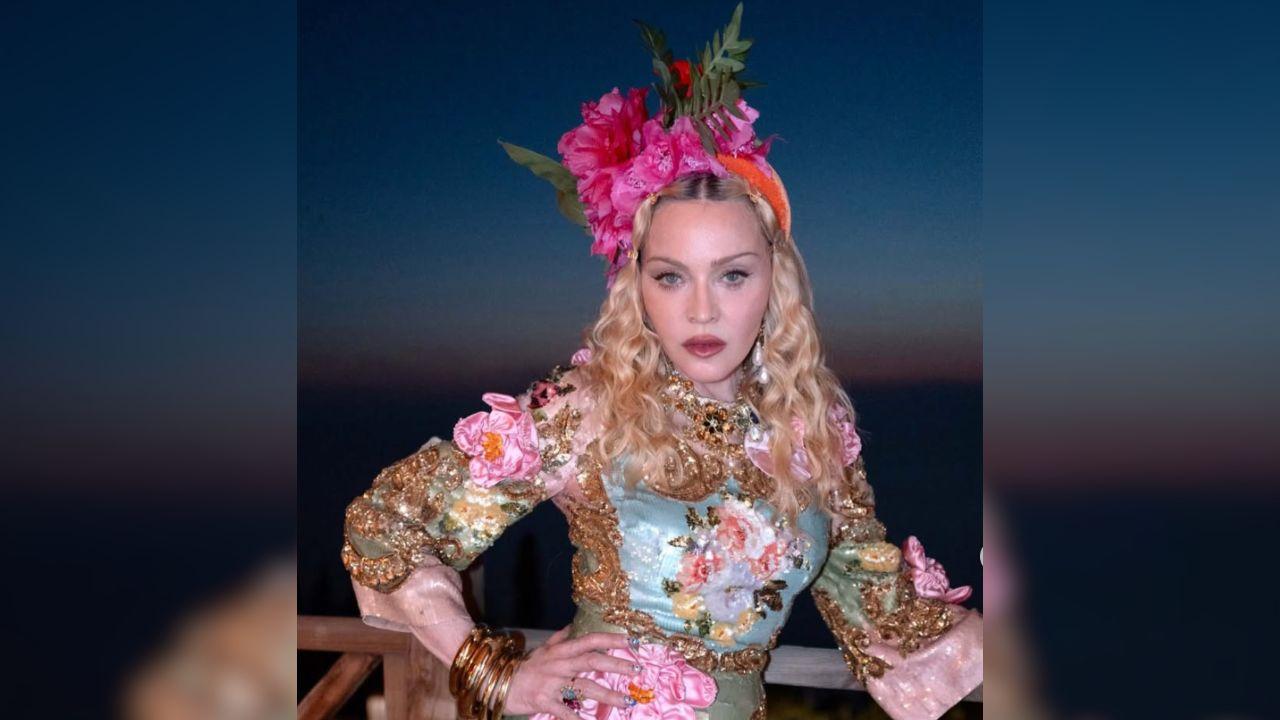
Madonna was accused of lipsyncing during her performance.
The decision to sing live or use prerecorded material may depend on a host of conditions beyond a performer’s ability.
Campbell said the decision can come down to “various factors such as the setup speed required, the ability to hear themselves and the music clearly over the crowd, their health, their ability to replicate their studio performance, among other things.”
He also cautioned that apparent mismatches between a singer’s mouth and the sound do not necessarily prove lipsyncing.
The Broadcast Can Create an Illusion
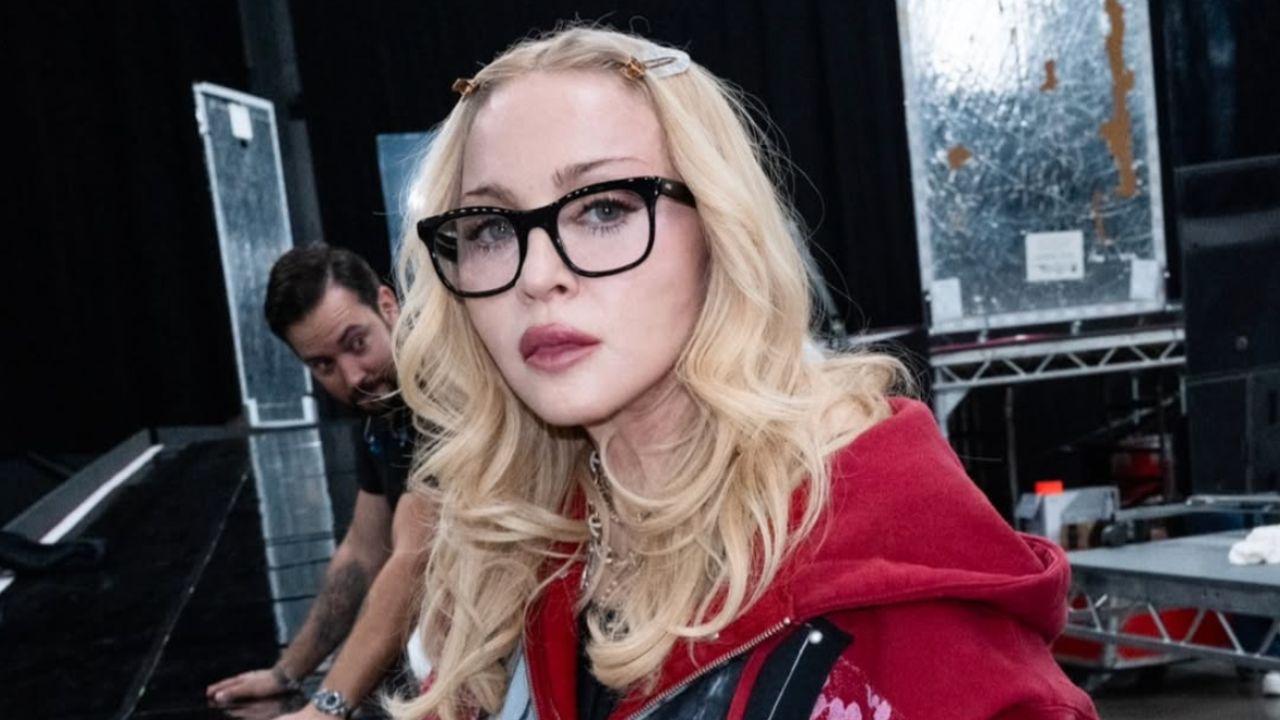
A location-sound expert explained how broadcast delays could create the illusion of lipsyncing.
“The trouble however is when artists are actually performing live but delays in the video feed give the impression that the audio and the video are different,” Campbell explained.
Wireless cameras can introduce more latency because their video signals require additional processing, while the audio may reach the broadcast more quickly.
“Video signals, especially from RF cameras, go through a lot more processing than audio signals and this results in a delay, which sometimes gets into the broadcast,” he noted.
“Because the video isn’t aligned or synced with the audio, people may think the artiste is lipsyncing,” he added, “and they are quick to try and point this out online.”