
 NEWS
NEWSMark Ruffalo and Sarah Jessica Parker Join Celebrities Turning July 4 Into a Political Statement

Mark Ruffalo and Sarah Jessica Parker joined fellow celebrities in an advocacy video.

July 8 2026, Published 6:29 a.m. ET


For some celebrities, the Fourth of July is no longer just fireworks, flag photos and red-white-and-blue captions.
As America marked its 250th anniversary, a group of actors, writers and public figures appeared in a nearly 10-minute video built around On Tyranny: Twenty Lessons from the Twentieth Century, the 2017 book by author and historian Timothy Snyder.

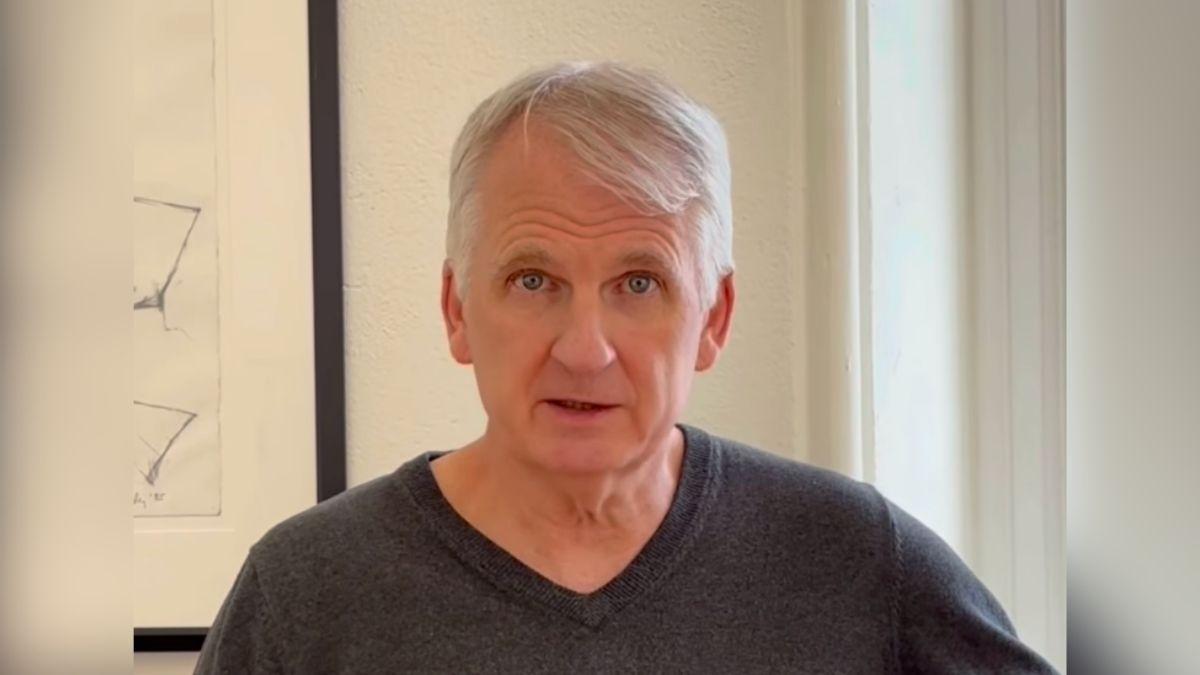
Celebrities read passages from Timothy Snyder’s book ahead of the midterm elections.
The video, which debuted on Variety, featured Mark Ruffalo, Sarah Jessica Parker, Ted Danson, Judd Apatow, Leslie Odom Jr., Sheryl Lee Ralph, Holland Taylor, Lisa Rinna, Billy Porter, Molly Ringwald and others.
In the clip, Snyder calls the coming November midterm elections a “turning point” for the country. Celebrities then read lines from the book, including “Do not obey in advance” and “Beware of the one-party state.”
A Holiday With a Message
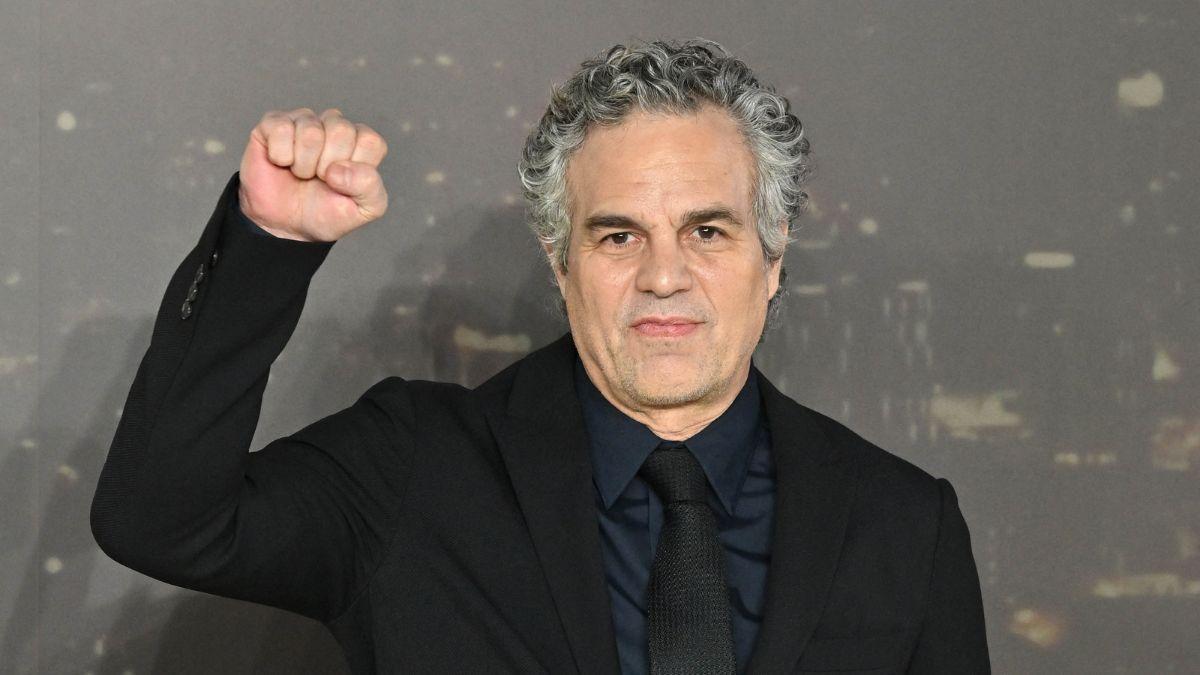
Mark Ruffalo called for a government focused on public needs over wealth and power.
Ruffalo, who has long been outspoken about politics, told Variety he hoped the country would move away from “a government that caters to the wealthy and powerful” and focus instead on “the needs, desires and dreams of the children and young people.”
He also called for closing the wealth gap, cherishing the planet and leaving behind the “colonial mindset of land theft, extractive economies, domination and materialism.”
Snyder framed the project as a different kind of patriotic message, writing on X, “To celebrate a rebellion is to know that, from a flawed world, we can make new things.”
Want OK! each day? Sign up here!
The Risk of Speaking Up
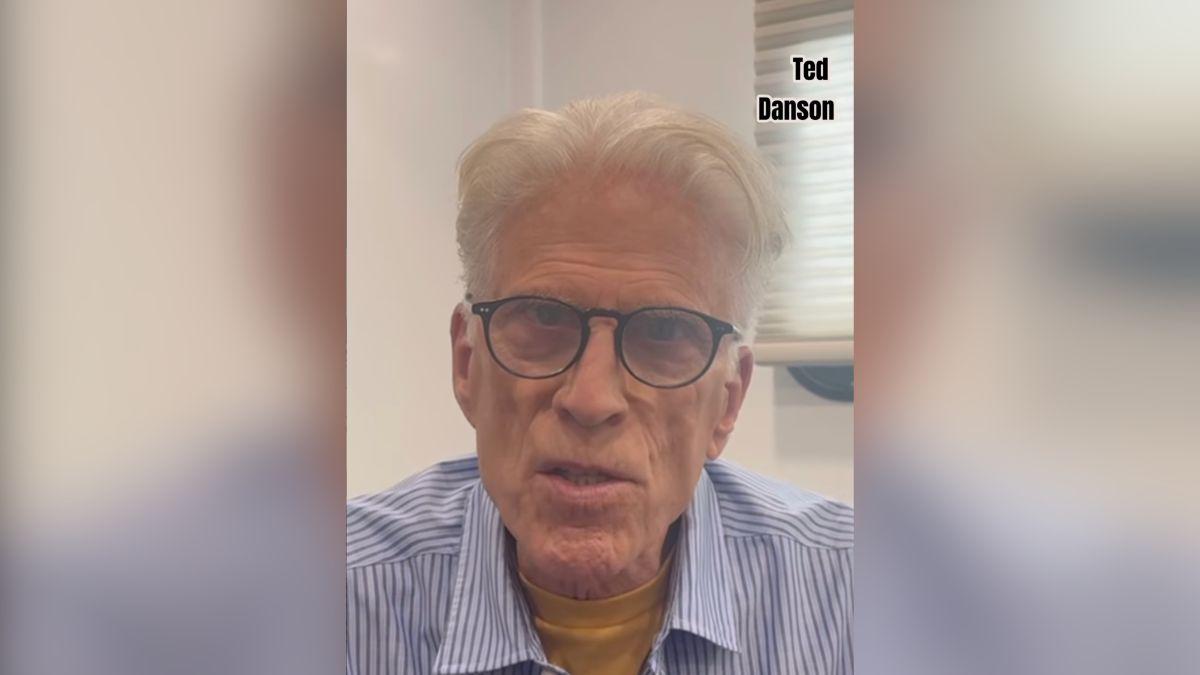
Experts said activism had become part of some celebrities' brands.
“We often frame celebrity political posts as a communications decision, but they’re really a trust decision,” said brand and communications consultant Sam Gauchier.
“Reputation isn’t built when everyone agrees with you,” she explained. “It’s built when people can predict what you stand for.” Gauchier pointed to Ruffalo as someone whose advocacy has become part of his public image.
“People may disagree with him, but they generally don’t question whether it’s authentic,” she said.
Backlash Is Part of the Equation
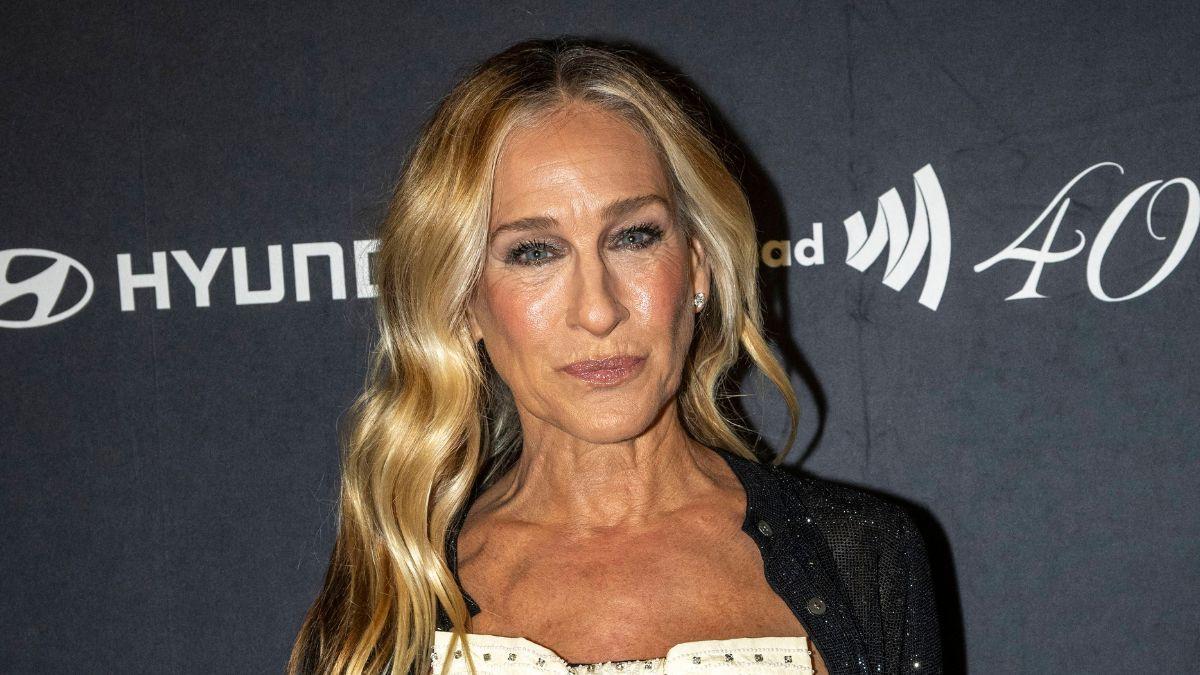
Analysts noted backlash remained a common risk for outspoken stars.
According to media and cultural analyst Kaivan Shroff, patriotic holidays raise the stakes because audiences are already thinking about “identity, values, and national belonging.”
“For most celebrities, the decision comes down to audience alignment,” Shroff said. “They ask whether the issue is relevant to their personal brand, whether their core fans expect them to speak, and whether staying silent would generate more criticism than speaking out.”
Shroff said success is often less about persuasion than loyalty.
“Celebrities generally have more influence reinforcing the beliefs of existing fans than changing the minds of their haters,” he said.
For Gauchier, backlash isn’t necessarily something the video’s participants should fear.
“Backlash isn’t always a reputation crisis,” she said. “Sometimes it’s simply proof that values create boundaries.”