 NEWS
NEWSAmerica 250 Becomes a Celebrity Branding Risk as Donald Trump's State Fair Stumbles

America 250 became a branding risk for celebrities.

June 30 2026, Published 9:31 a.m. ET


America 250 was built to be a national birthday party. For celebrities, it has become a brand-safety test.
The Great American State Fair, part of President Donald Trump’s Freedom 250 semiquincentennial programming, opened on the National Mall after weeks of road closures, fencing and construction. But the scene on opening day was far quieter than the scale of the setup suggested, with no real security line at noon, meager crowds beyond the gates and ongoing electricity issues.
The Empty Stage Problem

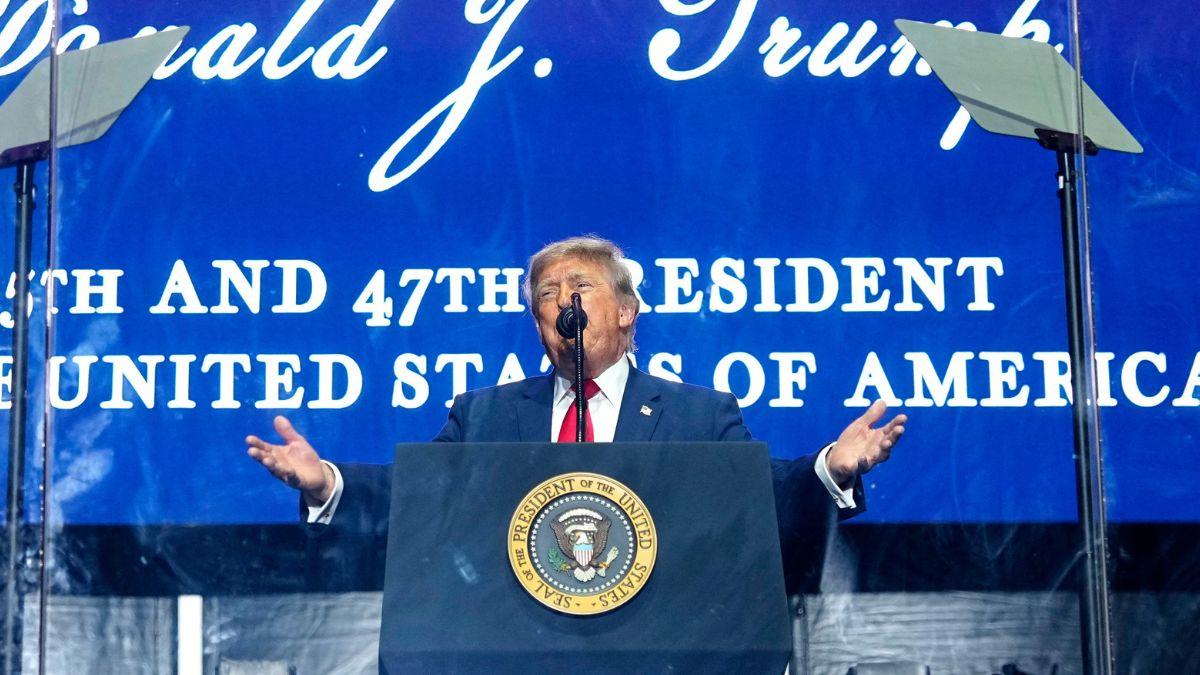
Several performers canceled their appearances due to the event's political tilt.
The fair had already been battered by entertainment trouble before the gates opened. A group of musicians booked for live performances backed out after saying they had not been told the festivities would have a political tilt. Several states also declined to participate.
When Trump headlined the fair himself with a rally Wednesday night, he was introduced by Transportation Secretary Sean Duffy, who attacked the “libtards that canceled on us.” Trump praised America as the “hottest” nation in the world and said, “Nobody’s laughing at us anymore.”
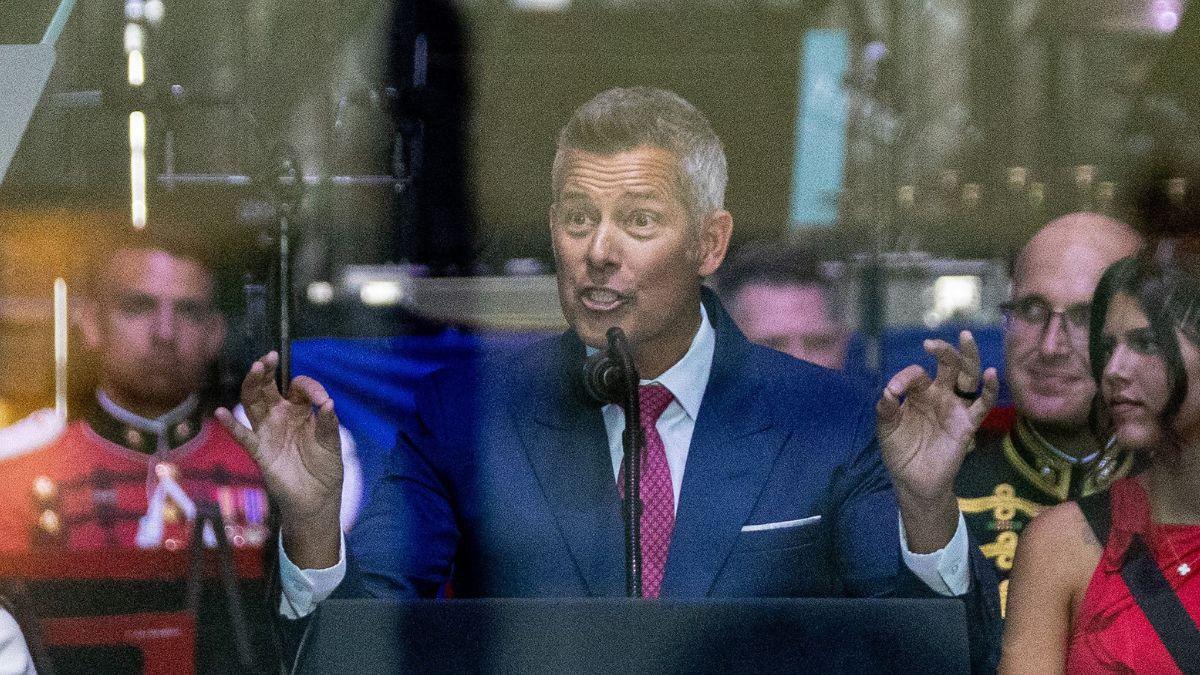
Sean Duffy introduced Donald Trump at the event while criticizing the artists who backed out.
“The moment a national celebration becomes politically branded, it stops being a patriotic opportunity and starts being a brand safety calculation,” said Amore Philip, founder of Apples and Oranges Public Relations. “And every talent team in America is running that calculation right now.”
Want OK! each day? Sign up here!
The Celebrity Math
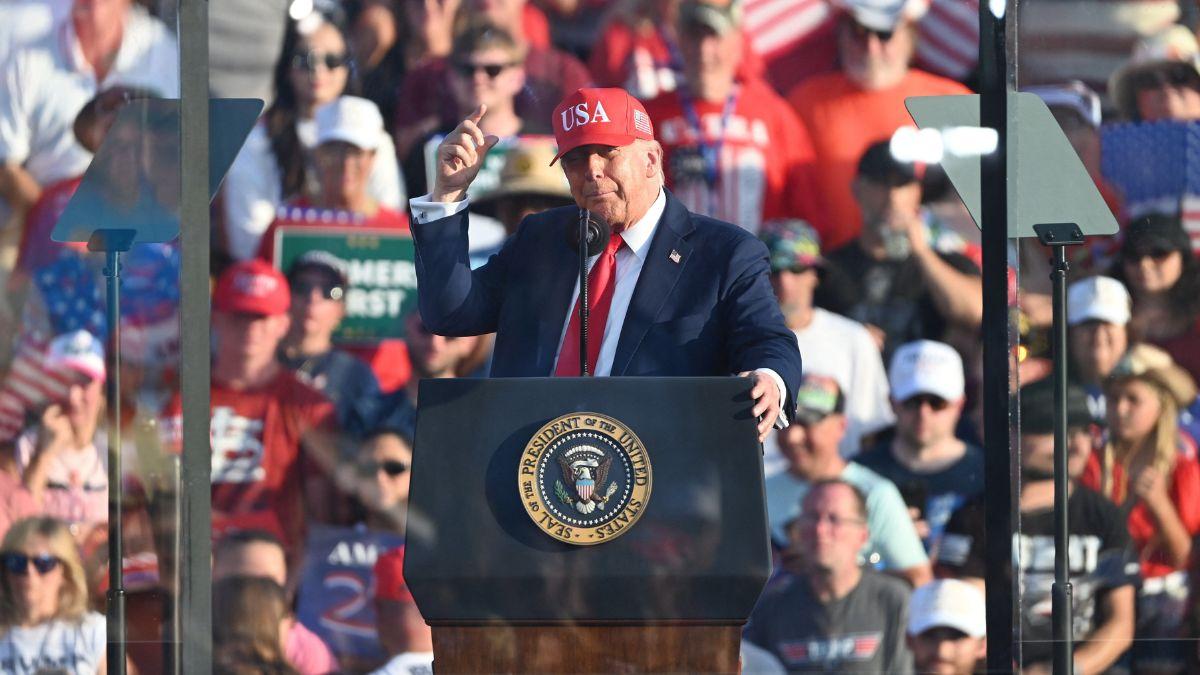
Public relations experts said political divisions complicated the artists' participation.
Philip said talent teams are not just asking whether an event sounds patriotic. They are asking who will be in the audience, who else is on the lineup, who is sponsoring it and what headlines the artist might inherit.
“A country artist whose core audience overlaps with the event's political identity sees a brand reinforcement opportunity. A mainstream pop star with a cross-political fanbase sees a minefield. Same invite. Completely different math,” Philip explained.
Lauren Cobello, PR strategist at Leverage with Media PR, agreed that celebrities and influencers have to “think twice” about participating in the current political climate.
“For the first time ever we are seeing that celebrities' personal brands are being deeply affected by their alignment with this administration,” Cobello noted.
Patriotism Meets Crisis PR
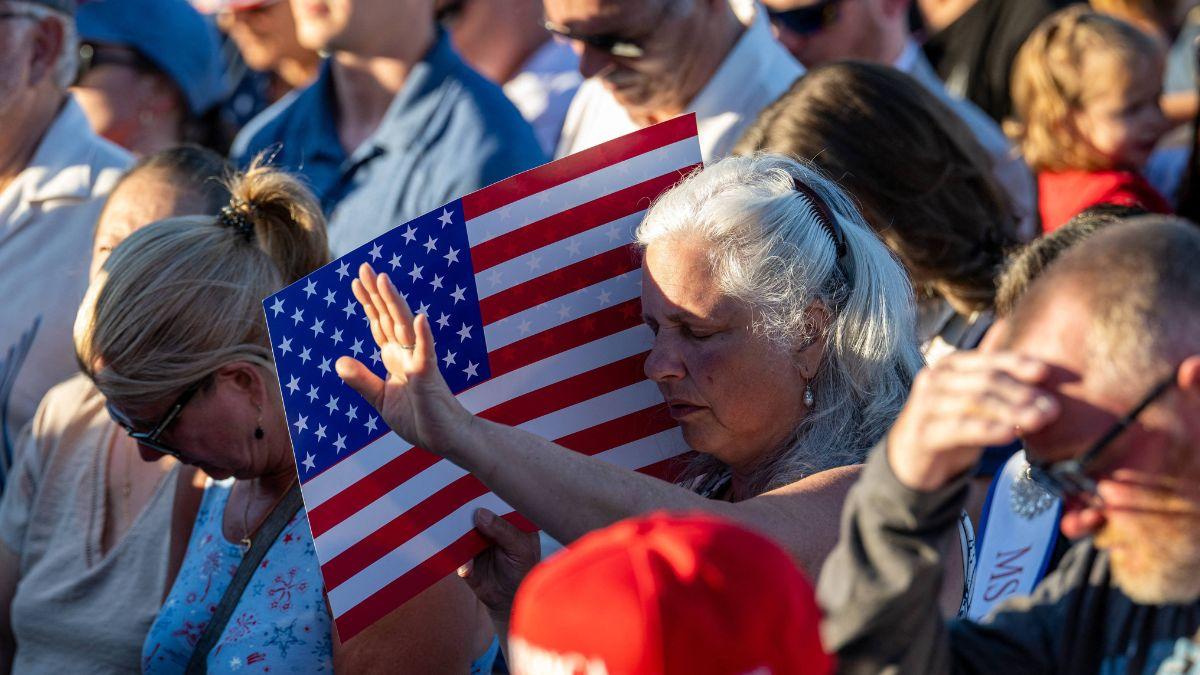
Celebrity teams reportedly weighed backlash before committing.
“PR teams must weigh the crisis PR situations they could potentially walk into,” Cobello explained. “The press is also a significant factor. Online press is calling out celebrities for their alignment with the current administration, further pouring gasoline on the crisis PR situations they must prepare for.”
Philip said the decision often comes down to the headline test.
“Planning for backlash starts before the decision is made, not after,” she said. “Teams that do this well have a simple framework: if this participation becomes a headline, what does that headline say and can we live with it? If the answer is uncertain, the answer is no.”