
 NEWS
NEWSMichael Wolff's Legal Battle Against Melania Trump Rages on After Judge Tosses Lawsuit

Michael Wolff vowed to continue lawsuit after a judge dismissed it.

May 27 2026, Published 6:03 a.m. ET


The legal feud between Melania Trump and author Michael Wolff is far from over, even after a federal judge threw out his initial lawsuit in a ruling that criticized both sides’ tactics.
Wolff, a longtime chronicler of the Trump family, made it clear he has no plans to back down following the dismissal of the anti-SLAPP suit he filed after Melania Trump threatened to sue him over remarks involving her alleged connection to late convicted s-- offender Jeffrey Epstein.
“We never had any illusions that this was going to proceed in a straight line, this case. But make no mistake, we are going forward with this,” Wolff said during his “Inside Trump’s Head” podcast.
Why the Case Was Dismissed

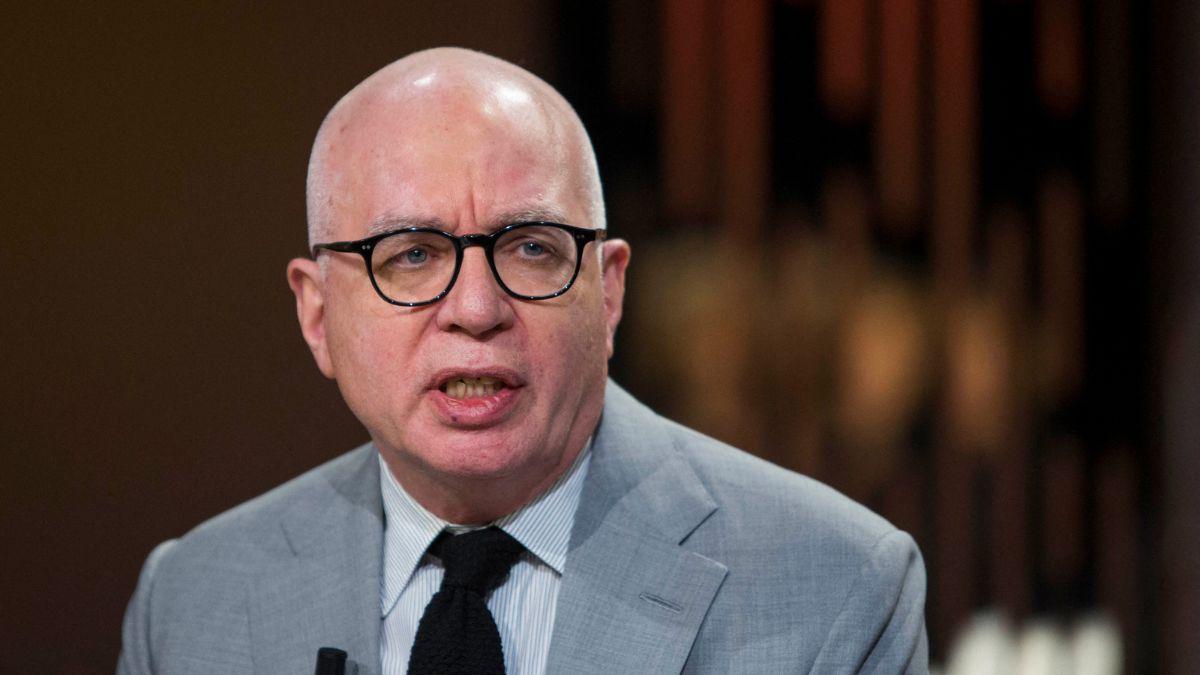
Judge Mary Kay Vyskocil criticized both sides’ courtroom tactics.
U.S. District Judge Mary Kay Vyskocil issued a 45-page ruling rejecting Wolff’s lawsuit, which sought protection under New York’s anti-SLAPP law, which is designed to guard against lawsuits intended to silence free speech.
The judge did not weigh in on the underlying claims, instead describing the dispute as “an inappropriate level of tactical gamesmanship,” and declining to let the court be used to referee what she characterized as an “abusively presented spat.”
“A dismissal like this doesn’t necessarily mean the broader fight is over. It means the judge decided this particular case, at least the way it was filed, shouldn’t move forward,” said Tarlika Nunez-Navarro, a former Florida Circuit Court judge and legal analyst who is not involved in the case.
A Fight Playing Out in Court and in Public
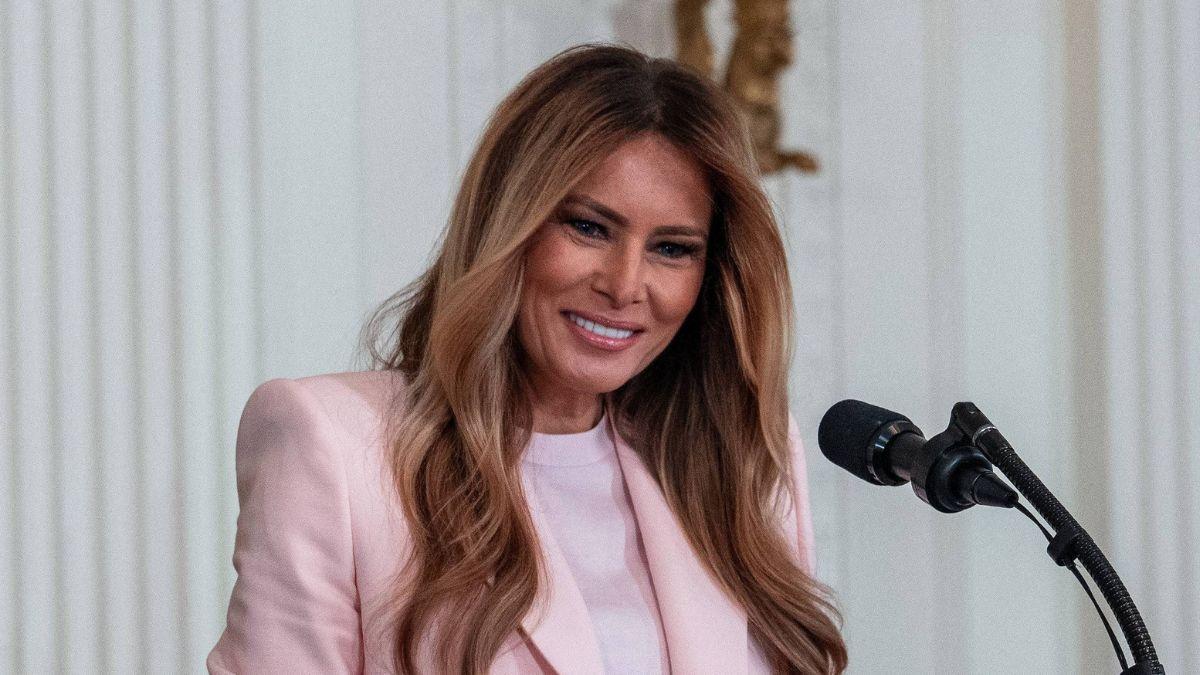
Melania Trump’s legal team celebrated the ruling.
At the center of the dispute are Wolff’s comments about Melania Trump’s past connections to Epstein and his social circle which her legal team argues caused “overwhelming reputational and financial harm.” Wolff has maintained that his statements were constitutionally protected opinions and that he never accused her of involvement in Epstein’s crimes.
Melania Trump’s office celebrated the ruling, stating she is “proud to continue standing up to, and fighting against, those who spread malicious and defamatory falsehoods.”
- Judge Slams Donald Trump's 'Entirely Inappropriate' Comments after Ex-Prez Calls E. Jean Carroll Case a 'Made Up SCAM'
- Donald Trump's Repeated E. Jean Carroll Insults Are 'Definitely Actionable,' Attorney Claims: 'He Is Not Going to Get Away With It'
- Trump in Trouble: Accuser E. Jean Carroll Seeks 'Very Substantial' Damages After Defamatory Comments at CNN Town Hall
Want OK! each day? Sign up here!
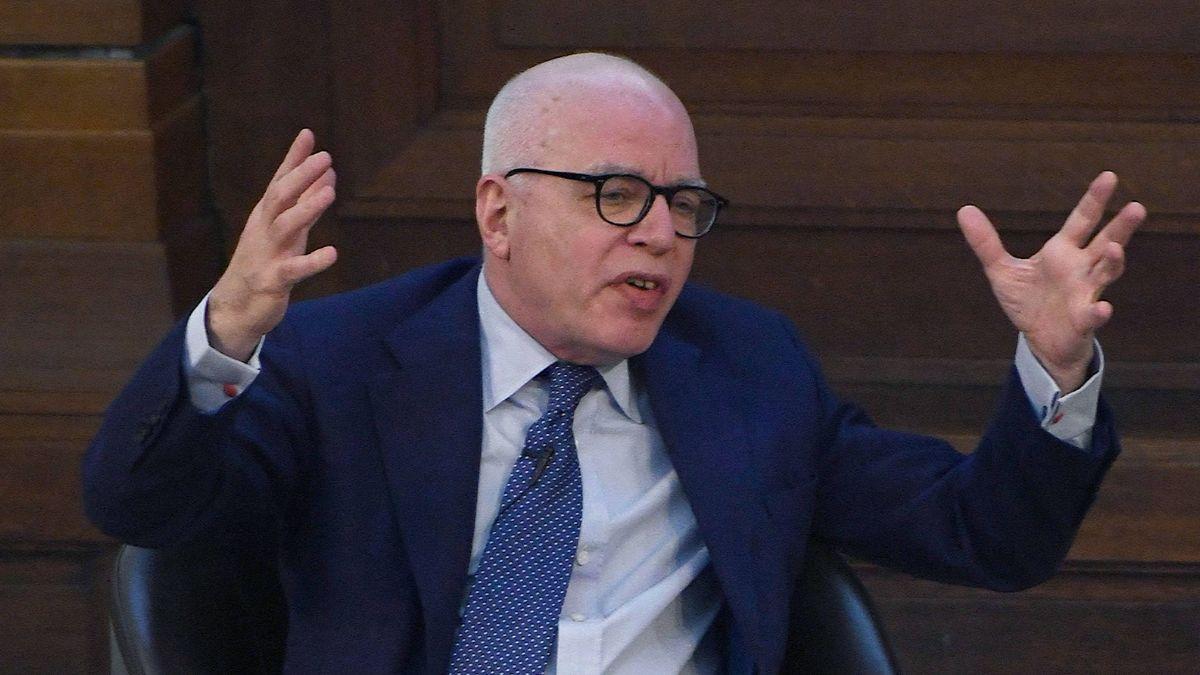
Michael Wolff defended his comments as constitutionally protected opinions.
But according to Nunez-Navarro, cases like this often unfold on two parallel tracks.
“In these high-profile media and political disputes, the legal strategy and the public relations strategy are often happening side by side. Filings, interviews, and public statements can all become part of shaping the narrative,” she noted.
“That’s especially true when the people involved already operate in the worlds of politics, media, publishing, and celebrity, where public perception can become almost as important as the legal outcome itself.”
What Comes Next
Experts said legal and public relations strategies work side by side in these kinds of disputes.
“Are we back in state court? Are we appealing in federal court? I mean, I assume we’ll probably do both things,” Wolff said.
That kind of maneuvering is not unusual in cases involving anti-SLAPP protections, which are often highly technical and vary by jurisdiction.
“Courts are generally cautious about allowing parties to use litigation preemptively,” Nunez-Navarro explained, “especially in situations where there may not yet be an actual defamation lawsuit on file.”