
 Politics
Pete Hegseth Sparks Debate With New Testosterone Screening Policy for Troops Over 30

Pete Hegseth said his goal is to build a 'High-T Department of War.'
July 16 2026, Published 4:09 p.m. ET


Defense Secretary Pete Hegseth has sparked intense debate by rolling out a mandatory annual testosterone screening program for U.S. service members aged 30 and older.
Dubbed by the former Fox News weekend host as part of building a “High-T Department of War,” the policy integrates hormone testing into regular Periodic Health Assessments.
"I'm authorizing a new screening program for testosterone deficiency for our service members, ensuring you have the right testosterone levels to operate at your absolute best," Hegseth announced in a video on X titled "High-T Department."
'High-T Department of War'

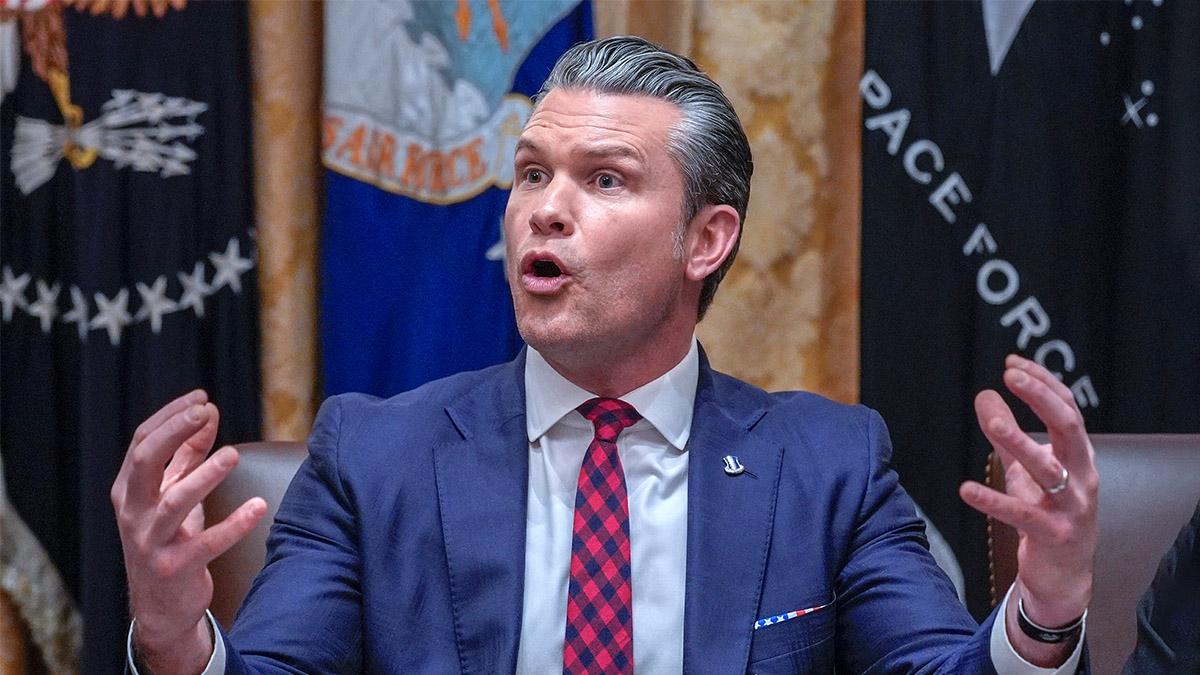
Pete Hegseth announced he's 'authorizing a new screening program for testosterone deficiency for our service members.'
While the screening is mandatory, any subsequent treatment — such as Testosterone Replacement Therapy (TRT) — remains completely voluntary. Service members under 30 can also choose to opt in to the testing.
"We owe our warriors the absolute best medical care in the world, and this program delivers on that obligation," Hegseth said in the video. "Taking care of your long-term health means ensuring you remain strong, resilient and capable — not just for your next deployment, but for the rest of your life, so you can thrive long after you take off the uniform."
The textbook Freudian Hegseth, who has faced criticism for his fixation on soldiers’ physical fitness and his own appearance, claims the policy focuses on “restoring and optimizing” natural capabilities and ensuring battlefield lethality, not on artificial enhancement.
Warrior Ethos
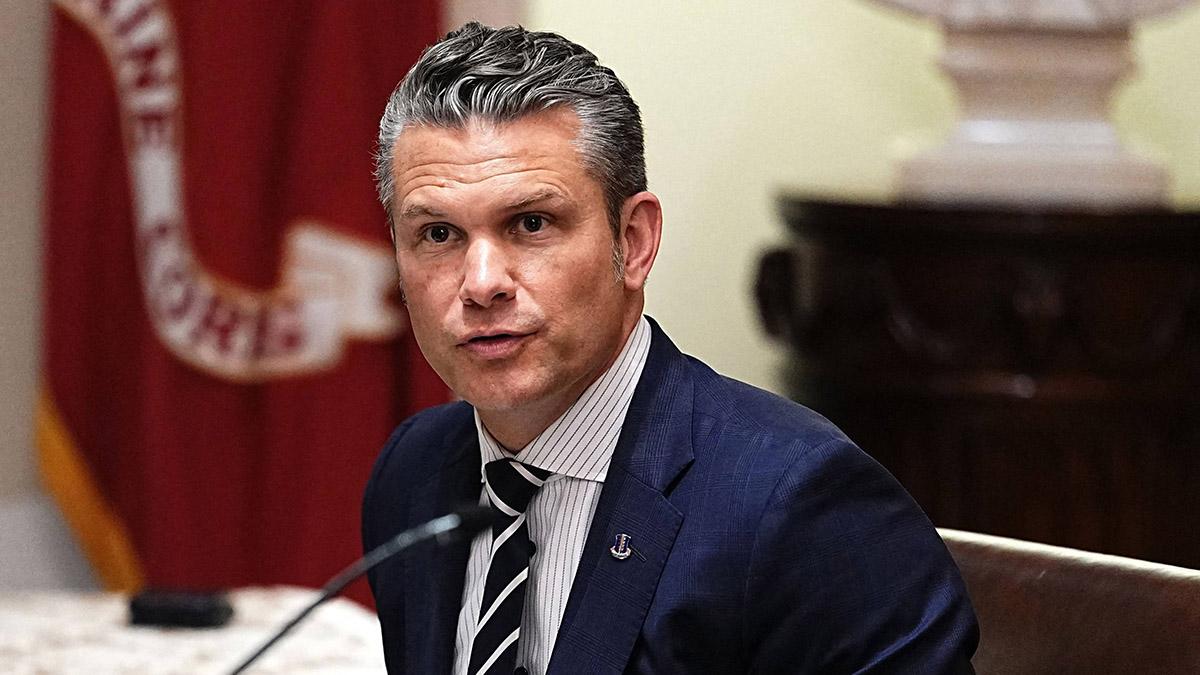
Pete Hegseth has faced backlash from critics for his emphasis on 'warrior ethos.'
Observers and late-night commentators have frequently pointed out that Hegseth’s zealous emphasis on "warrior ethos," strict physical standards, and intense male bonding often inadvertently manifests in ways that feel inadvertently homoerotic.
Critics use these observations to highlight the irony in his strict anti-LGBTQ+ rhetoric, arguing that a hyper-fixation on rigid, single-gender environments ultimately draws parallels to the very subcultures he attacks.
"I think it is indicative of the fact that there are so many people in this administration that have some weird, intense, homoerotic feelings towards men while also being incredibly homophobic, and not just homophobic, but like hate-mongering, fear-mongering about the LGBTQ community. So, let me be clear. I don't think the homoeroticism is the weird part. The weird part is that they pretend that that's not what it's about," said Vermont's Democratic Rep. Becca Balint. "And so, Pete Hegseth is like the example of this, like the manly, manly, rugged, macho man, and it's like, I don't know if you know who Tom of Finland is...this is a gay male p-rn that was drawn by a man. And, like, Pete Hegseth is the embodiment of that. So I feel like they must be looking at that as their example for what men look like. And in terms of not promoting women, we know what this is all about. The military, whether you support the military-industrial complex or not, it has always been merit-based—the people who are the best of the best rise to the top. And so the fact that he has systematically been keeping down women and people of color gives up the whole game. It's actually not about a merit-based system anymore."
The policy has drawn sharp reactions across political, medical, and military circles, shifting focus toward broader culture-war dynamics and health system standards.
Want OK! each day? Sign up here!
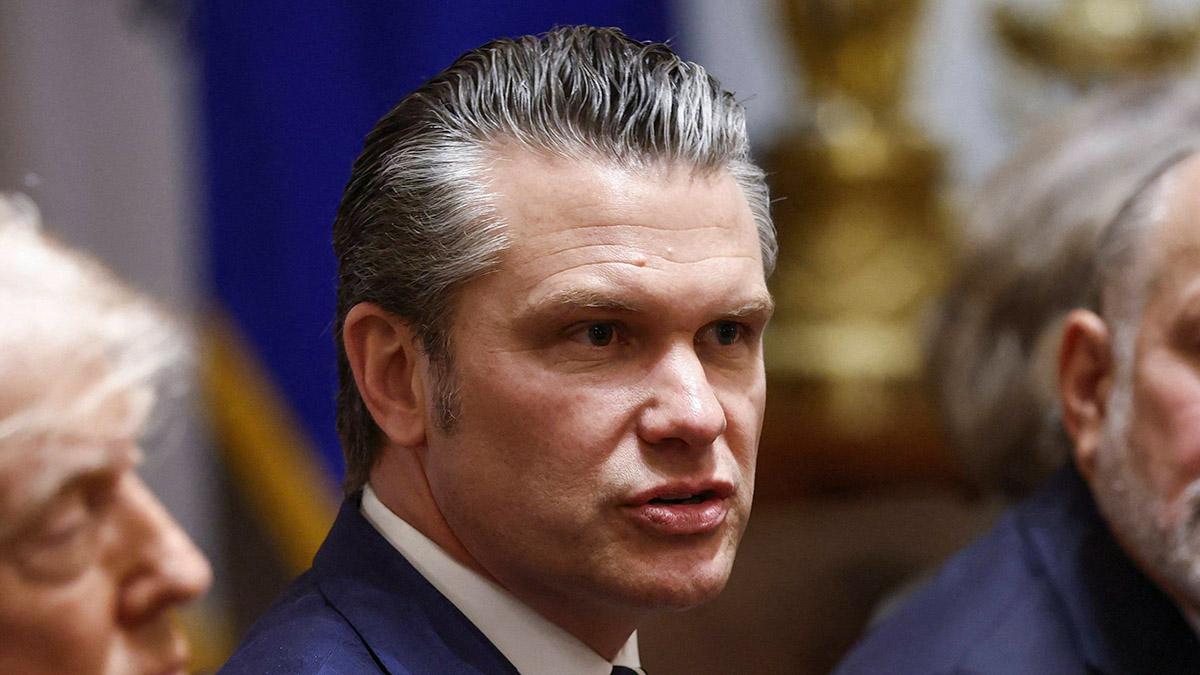
Pete Hegseth's policies are frequently met with immense criticism.
Dr. Adriane Fugh-Berman, a professor at Georgetown University, blasted the community's concern in The Washington Post, saying, “This is non-evidence-based and could cause harm.”
Democratic lawmakers slammed the move, noting the irony of the Pentagon funding hormone therapy while Hegseth has strictly opposed transgender troops receiving transition-related hormone care.
Independent medical experts point out that standard clinical guidelines recommend against blanket testing for individuals who do not exhibit explicit symptoms.

Hegseth’s latest move comes after Air Force trainee Keon Talik McDaniel's death.
Lawmakers also criticized the initial focus on what appeared to be primarily male hormone optimization. They urged the Pentagon to expand fertility and hormone testing equally to women in uniform.
Medical experts said that over-treating or treating individuals without true clinical deficiencies poses risks like infertility, acne, and increased risk of blood clots.
Hegseth’s latest move comes in the wake of the death of Air Force trainee Keon Talik McDaniel on June 16.
McDaniel died from influenza during a massive flu outbreak at Joint Base San Antonio-Lackland in Texas. The death and wider outbreak followed an April 2026 directive by Hegseth, which ended the military's 80-year-old universal mandatory flu vaccine requirement.