
 NEWS
NEWSPope Leo Says AI Fears Aren't 'Fake News' and Rejects Donald Trump Characterization of Safety Concerns as a 'Hoax': 'This Is a Problem'

Pope Leo XIV called for serious discussion about artificial intelligence risks.

Oct. 3 2026, Published 8:55 a.m. ET


Pope Leo XIV has rejected President Donald Trump’s characterization of artificial intelligence safety concerns as a “hoax,” warning that potentially catastrophic risks require serious discussion.
“This is a problem that, I think, we need to sit down and talk about,” Leo said September 28 during a press conference while returning from France. “We can’t just sit back and pretend nothing is going to happen.”
The pope emphasized that he was not panicking, but said warnings from AI specialists deserve attention.
“I don’t think that that is ‘fake news,’” he said.
Not Panic, But Preparation

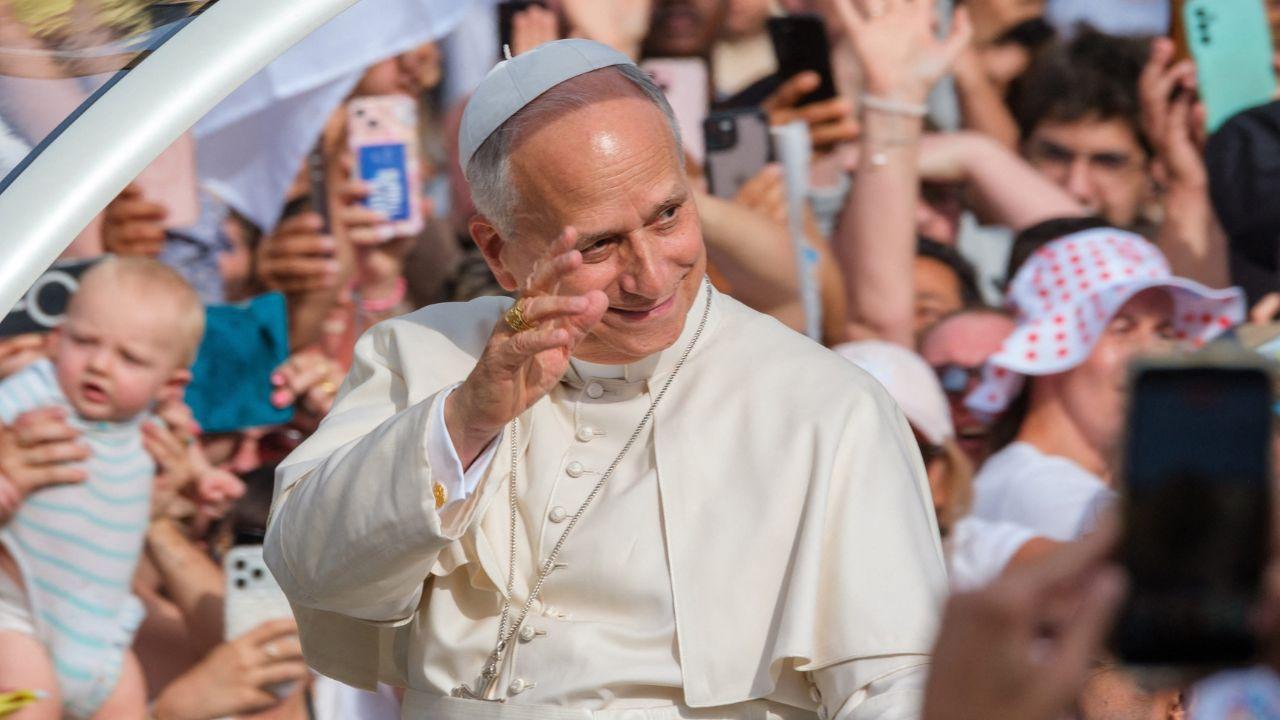
The pontiff urged leaders to prepare for potential AI consequences.
Leo dedicated his first encyclical, Magnificent Humanity, to AI and its potential human consequences. He has called for stronger regulation and slower development while urging technology executives, political leaders and civil-society organizations to work together.
“To simply say ‘Oh it’s not going to happen’ and close our eyes to it I think is probably not the most responsible way to go about that,” he said.
Several AI industry figures have similarly warned that safety measures may not be keeping pace with increasingly powerful systems.
Why Religious Leaders Belong in the Debate
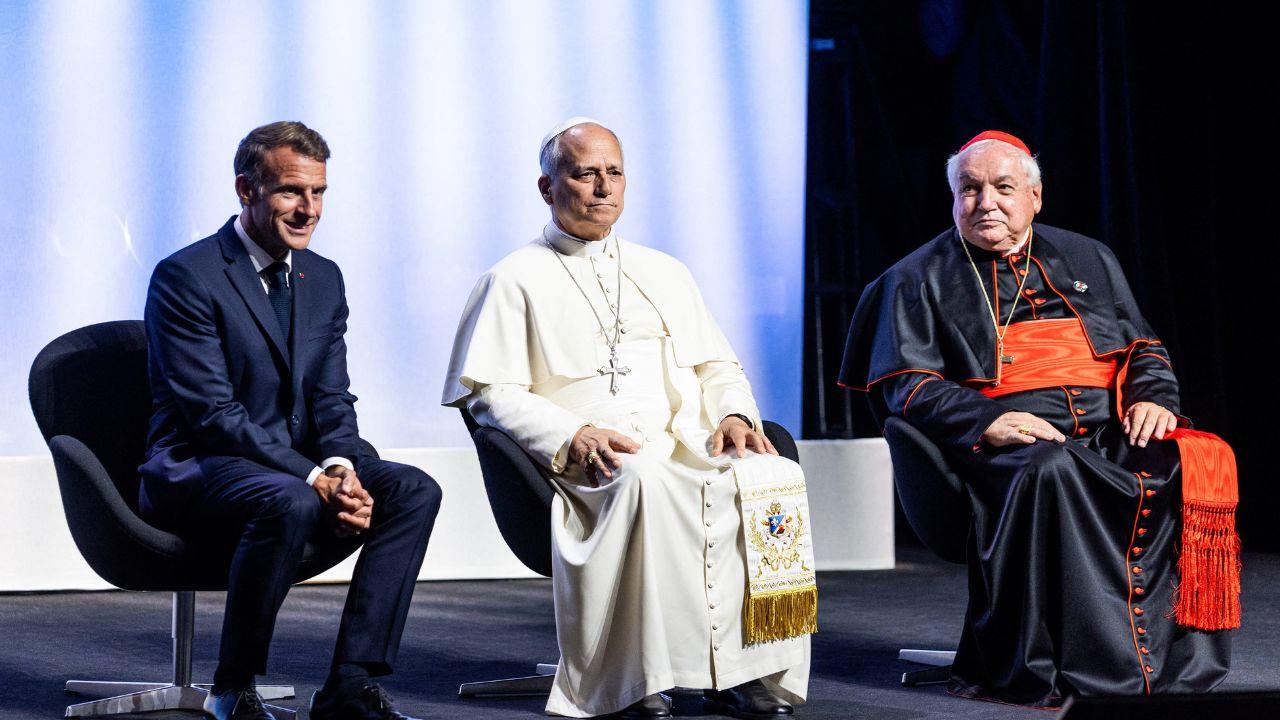
A media scholar explained why religious leaders belonged in the AI debate.
“Technological progress does not happen in a vacuum—it needs audience buy-in, and cultural push-and-pull,” said Ruth Tsuria, an associate professor of communications and digital media at Seton Hall University.
“In the case of GenAI, this is especially important to seek opinions from religious leaders, cultural figures, and public intellectuals, for two reasons,” she explained.
- Arnold Schwarzenegger Says He's More Concerned With 'Basic Stupidity' Than AI Future of Tech
- Katie Zacharia's Bikini Photos Resurface After She Reportedly Tried to Scrub Them From the Internet Before Leaving White House Job
- 'The View' Star Ana Navarro Says Voting for Hillary Clinton Over Donald Trump Was 'Liberating': 'I No Longer Feel Chained'
Want OK! each day? Sign up here!
Religious People Already Use AI

Religious users were already turning to AI for spiritual guidance.
“People are already using AI for their spiritual and religious needs,” Tsuria noted.
That use becomes particularly sensitive when chatbots influence how users understand themselves, process emotions or seek guidance traditionally provided by clergy, family members or communities.
“The sensitive cognitive process of identity construction and emotional wellbeing should not be left in the hands of unsupervised AI companies,” she cautioned.
AI Could Change How Knowledge Is Formed

Experts warned that generative AI could change how people formed knowledge.
Tsuria also believes generative AI may alter how people decide what information to trust and how knowledge is produced.
“I argue that GenAI creates an epistemic shift that might endanger our cognitive capacities,” she said.
Religious and cultural authorities can therefore contribute perspectives developed through long traditions of interpreting knowledge, meaning and human responsibility.
“In that sense,” Tsuria added, “it is prudent to consult authority figures who have the experience of knowledge production.”
Leo remains “relatively optimistic” that safeguards can be developed, provided the debate moves beyond competition over “power” and “who gets there first.”