
 TRUE CRIME NEWS
Suge Knight Claims Sean 'Diddy' Combs Was Involved in Orchestrating Tupac Shakur's Murder in Resurfaced 2024 Prison Interview

Suge Knight refused to testify in Duane 'Keffe D Davis' trial.
Sept. 17 2026, Published 7:00 a.m. ET


A 2024 prison interview with former Death Row Records mogul Marion "Suge" Knight, which features explosive claims regarding the 1996 drive-by shooting of Tupac Shakur, has resurfaced after Duane "Keffe D" Davis was found guilty for the rapper's murder. He also accused Sean "Diddy" Combs of being involved.
Knight characterized the shooting as a coordinated assassination rather than a gang dispute and alleged that financial incentives were involved.
Retired Las Vegas Metropolitan Police Department homicide detective Clifford Mogg interviewed Knight at a California prison in 2024.
What Did Suge Knight Say About the Shooting?

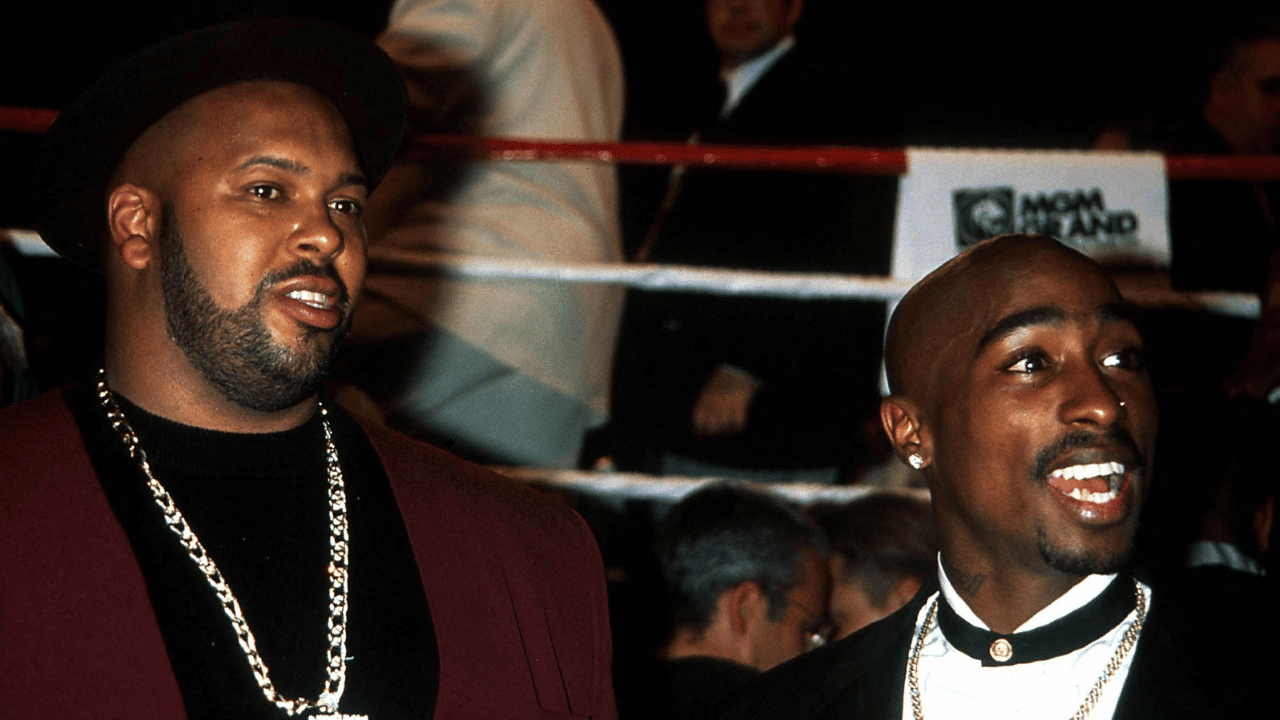
Suge Knight survived the shooting that killed Tupac Shakur.
Knight maintained that Orlando Anderson was not the shooter and alleged that Tupac's security guard was involved in setting up the incident, while refusing to take the stand in court.
Knight was the driver of the car and a victim who was grazed by the gunfire during the 1996 drive-by shooting that killed the rap icon. Knight was struck in the head by a bullet fragment or shrapnel during the ambush, though he survived his injuries.
Earlier that evening at the MGM Grand, Knight and Shakur were involved in a physical altercation with Anderson — a Compton gang member who died in a 1998 shooting — following a Mike Tyson boxing match.
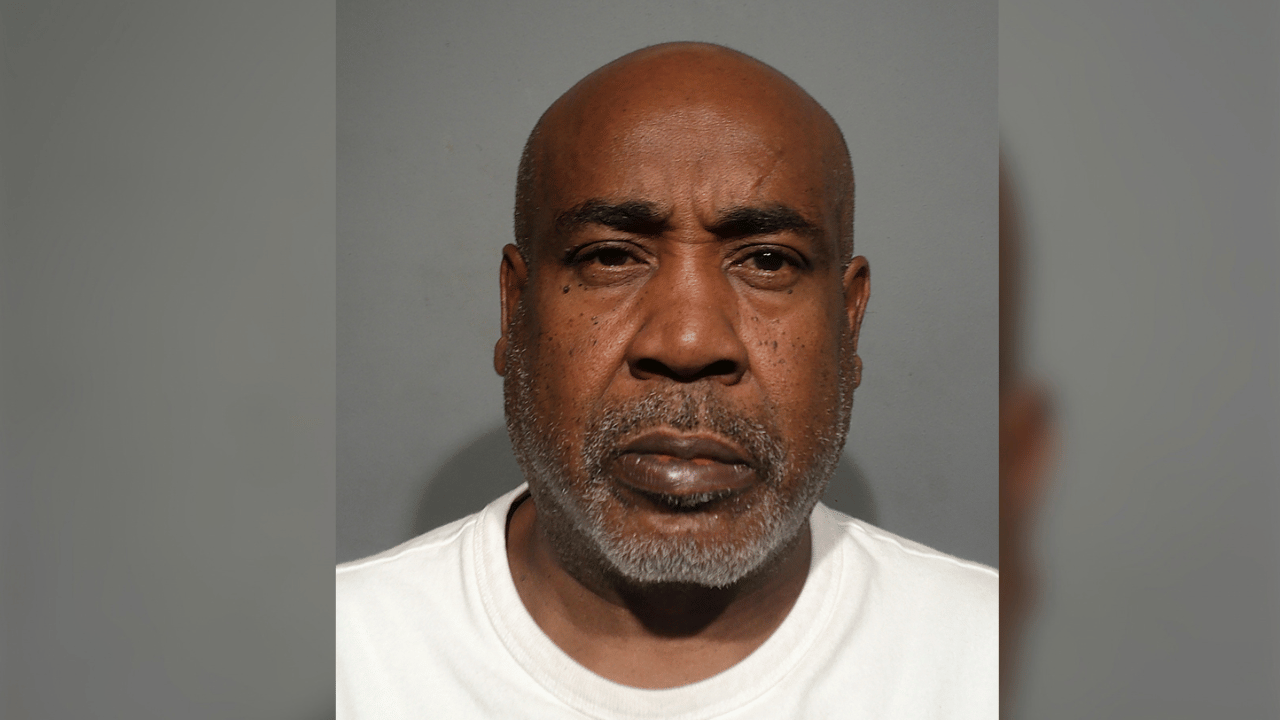
On August 31, Duane 'Keffe D' Davis was found guilty for the 1996 murder of Tupac Shakur.
Prosecutors established that the subsequent shooting was organized retaliation by Anderson's uncle, Davis, for the casino brawl.
Knight, currently serving a prison sentence for voluntary manslaughter, has consistently refused to name the shooter or cooperate with law enforcement, viewing cooperation as a form of "snitching.”
He declined to participate in or testify in Davis' prosecution.
- Suge Knight Hints at Sean 'Diddy' Combs' Connection to 1996 Killing of Tupac Shakur: 'Everybody Knows'
- Suge Knight Says Keefe D Offered Him $1 Million in Tupac Murder Case, Claims More Than One Person Was Involved and Police Corruption Played a Role
- Sean 'Diddy' Combs Could Still Face Trial Over Tupac Murder If New Evidence Emerges, Clark County D.A. Says: 'We Can Always File Additional Charges'
Want OK! each day? Sign up here!
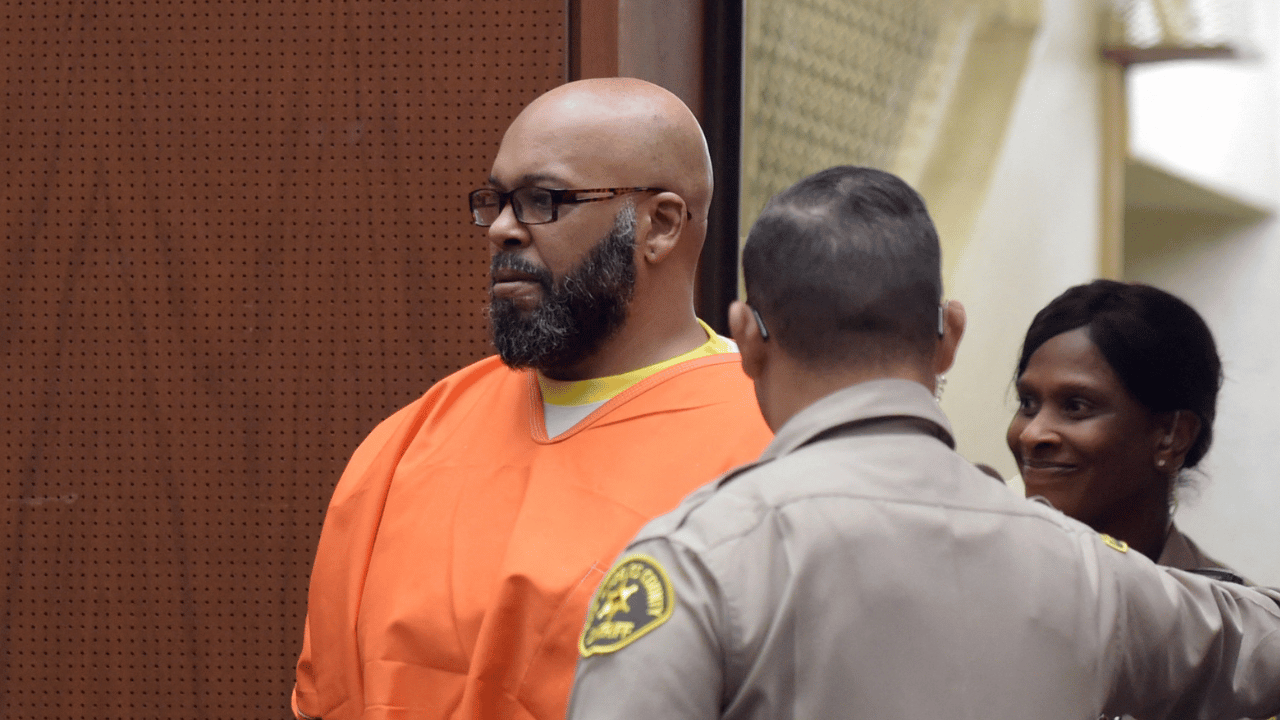
Suge Knight claimed Sean 'Diddy' Combs was involved in Tupac Shakur's murder.
“One of the reasons I'm talking is because I don't want y'all playing games with me because I'm not coming to court,” Knight said. “I'm not gonna get on the stand. It's just not my style.”
From prison, Knight has disputed official accounts of the motive, suggesting instead that outside money was paid to orchestrate Tupac's assassination, while maintaining that investigators had the wrong narrative regarding the specifics of the MGM Grand confrontation.
“He didn’t shoot nobody,” Knight said of Anderson.
Was Sean 'Diddy' Combs Involved?
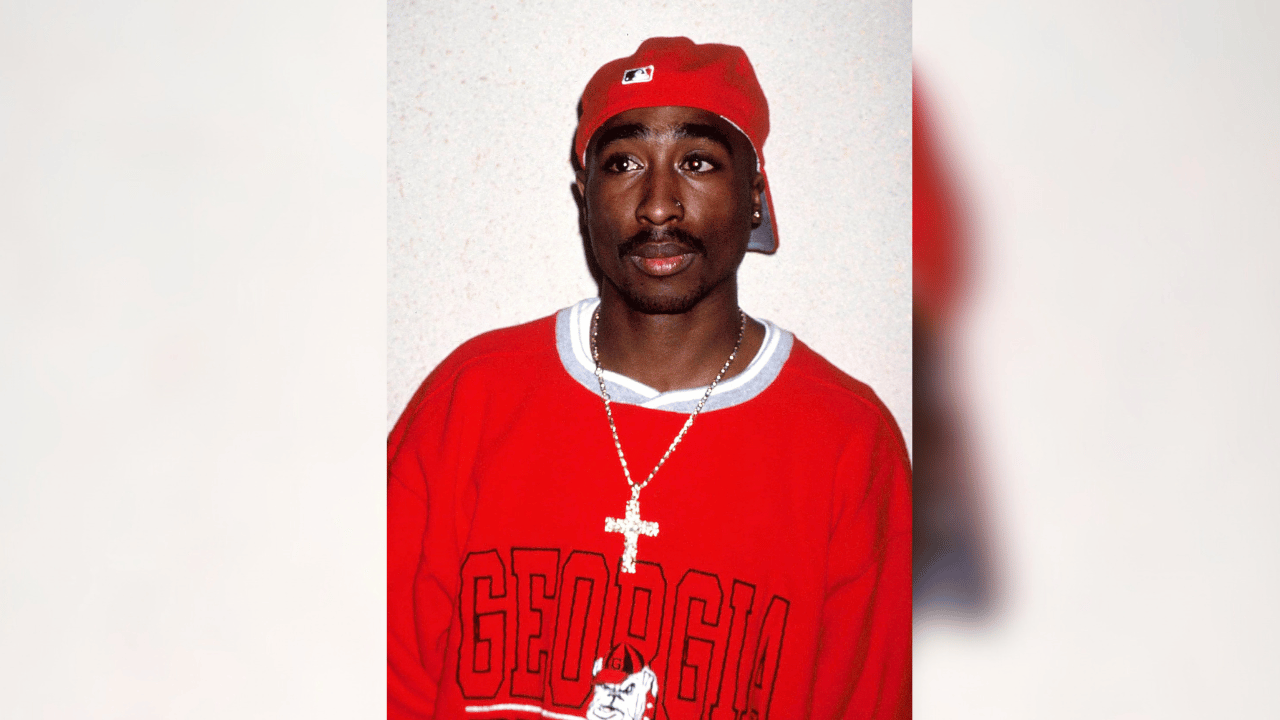
It's believed that the shooting targeting Tupac Shakur was retaliation for a fight that occurred earlier that day.
Knight made several serious allegations and commentary regarding his longtime rival Combs, spanning both the Shakur murder investigation and Combs' subsequent federal arrest.
When pressed by investigators to name the person who paid to have Shakur killed, Knight refused to say the name directly but stated, "He's a dancing dude, the guy who's going around r----- everybody right now," referencing the mounting sexual assault allegations against Combs at the time.
Knight claimed that "money changed hands" to orchestrate the hit and stated his belief that Combs wanted both him and Shakur killed.
Following Combs' federal arrest on s-- trafficking and racketeering charges, Knight spoke from prison with NewsNation's Chris Cuomo. Knight warned that Combs faces severe danger while incarcerated, stating the mogul has a "target on his back."
Law enforcement officials have said Knight's alternative claims about outside financiers lacked direct, actionable evidence and were made to profit from them.