
 NEWS
NEWSTaylor Swift’s Wedding NDA Seals the Lips of A-List Guests — But How Binding Are They Really?

Taylor Swift's wedding guests reportedly signed strict nondisclosure agreements.

July 22 2026, Published 8:34 a.m. ET


Taylor Swift and Travis Kelce’s wedding secrecy plan sounded less like a party invite and more like a high-level intelligence operation.
Jonathan Thomas, CEO of American Century Investments, recently described the couple’s unusual invitation process on “The Compound and Friends” podcast, saying he repeatedly deleted text messages claiming to be from “Taylor and Travis” because he thought they were spam. He said he even blocked the number before Kelce personally called to ask why he had not responded.

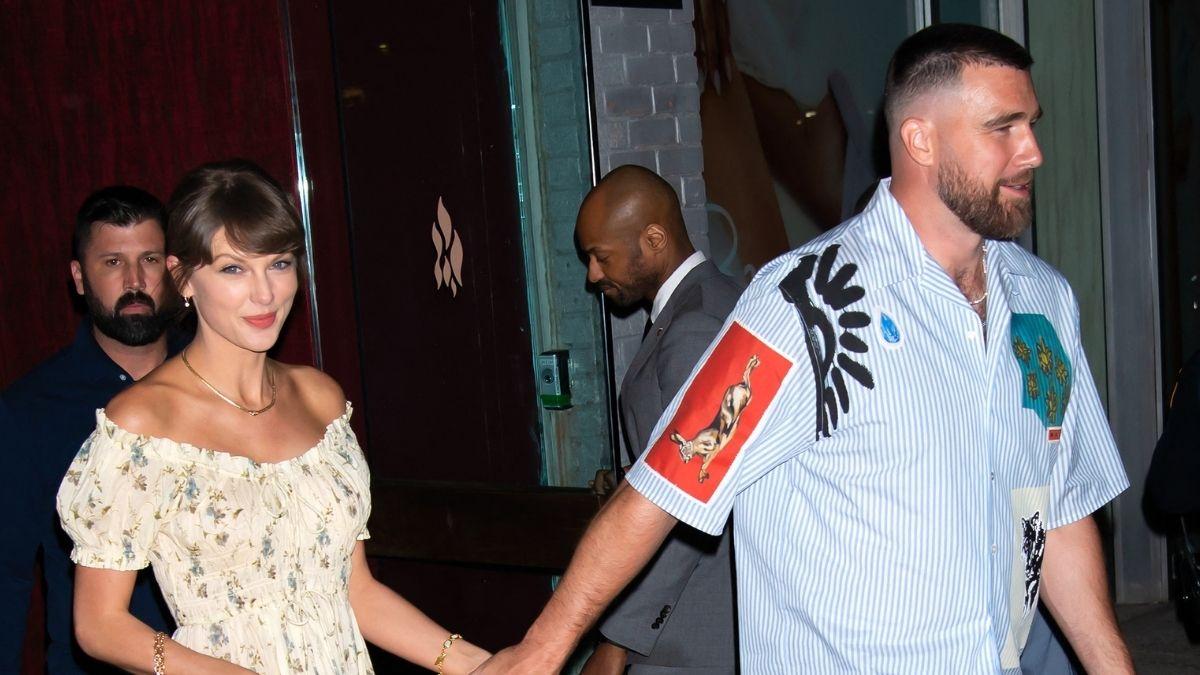
Multi-factor authentication protected the private wedding details.
Thomas said guests had to complete multi-factor authentication and sign nondisclosure agreements (NDAs) through DocuSign before receiving personalized, watermarked digital invitations. The details reportedly came in stages: first the date, then New York City, then Manhattan. Madison Square Garden was not revealed as the venue until about 4 a.m. the morning of the July 3 wedding.
“I won't get into the details of the NDA,” Thomas said. “But it had teeth.”
What an Event NDA Covers
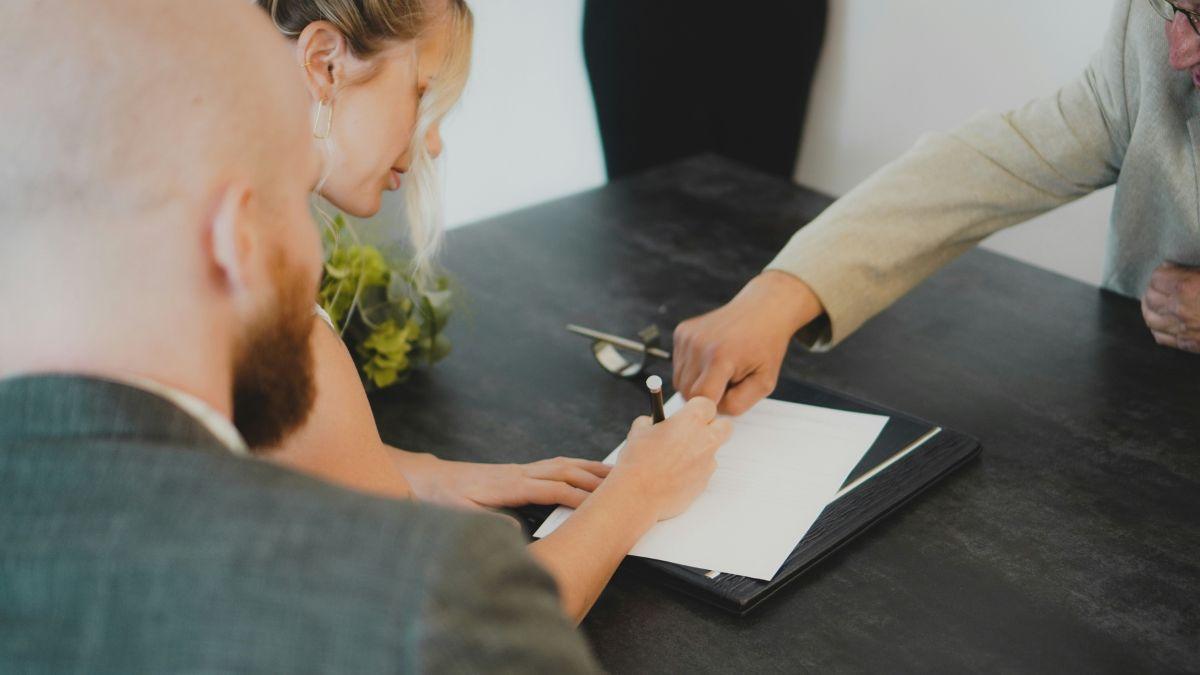
Legal experts explained how event confidentiality agreements work.
“An event NDA is essentially a confidentiality contract that identifies what information is protected, such as the location, guest list, photographs, décor, or other nonpublic details,” said Tisha Morris, founder of Legacy Arts Law.
Morris said the agreement would likely include how long confidentiality lasts and what information is excluded, such as details already public or obtained independently.
“An NDA is a contract, and courts enforce contracts every day. But simply calling something an NDA doesn't automatically make it enforceable,” said former Florida Circuit Court Judge Tarlika Nunez-Navarro. “The language has to be reasonable, the parties have to understand what they're agreeing to, and the information being protected has to actually be confidential.”
- Taylor Swift and Travis Kelce Kept MSG Wedding Venue Secret Until 4 A.M. the Day of Their Nuptials, Guest Reveals
- Taylor Swift and Travis Kelce's Wedding Guests 'Scanned' for Secret Recording Devices at MSG: Report
- Chiefs Owner Clark Hunt’s Wife Tavia Hunt Slams 'Tacky' Taylor Swift and Travis Kelce Wedding Claims
Want OK! each day? Sign up here!
Leaks, Damages and Reality
Experts said nondisclosure agreements (NDAs) cannot erase information once it becomes public.
Nunez-Navarro said NDAs are built both to discourage leaks and create a path for legal action afterward.
“The biggest value of an NDA is often that it makes people stop and think before sharing something they shouldn't,” she explained.
Morris said someone who violates a valid event NDA could face an injunction, proven monetary damages or a liquidated-damages provision if the agreement includes one. But secrecy has practical limits.
“Once wedding details or images are online, no court can fully put the information back in the bottle and the information is no longer protected under the NDA,” Morris said.
What Watermarks Can Prove

Watermarked invitations were designed to trace potential leaks.
“Watermarking can help trace a particular photograph, invitation, or document to the copy provided to a specific person, but it does not automatically prove that person leaked it,” Morris said, adding that additional evidence would be needed.
Nunez-Navarro said common defenses can include that the material was already public, the agreement was too broad or the accused person was not actually the source.
"Courts aren't interested in celebrity gossip—they're interested in contracts,” Nunez-Navarro noted. “The principles of contract law are the same for everyone."