
 TRUE CRIME NEWS
Inside Tupac Shakur's Murder Trial Against Duane 'Keffe D' Davis 30 Years After Rapper's Killing

Duane ‘Keffe D’ Davis faced trial nearly three decades after Tupac Shakur’s death.

Aug. 13 2026, Published 8:14 a.m. ET


Nearly 30 years after Tupac Shakur was fatally shot in Las Vegas, the only murder case ever brought in his killing is heading to trial.
Jury selection begins Monday in the case against Duane “Keffe D” Davis, who was arrested in 2023 and charged with murder with a deadly weapon with the intent to promote, further or assist a criminal gang.

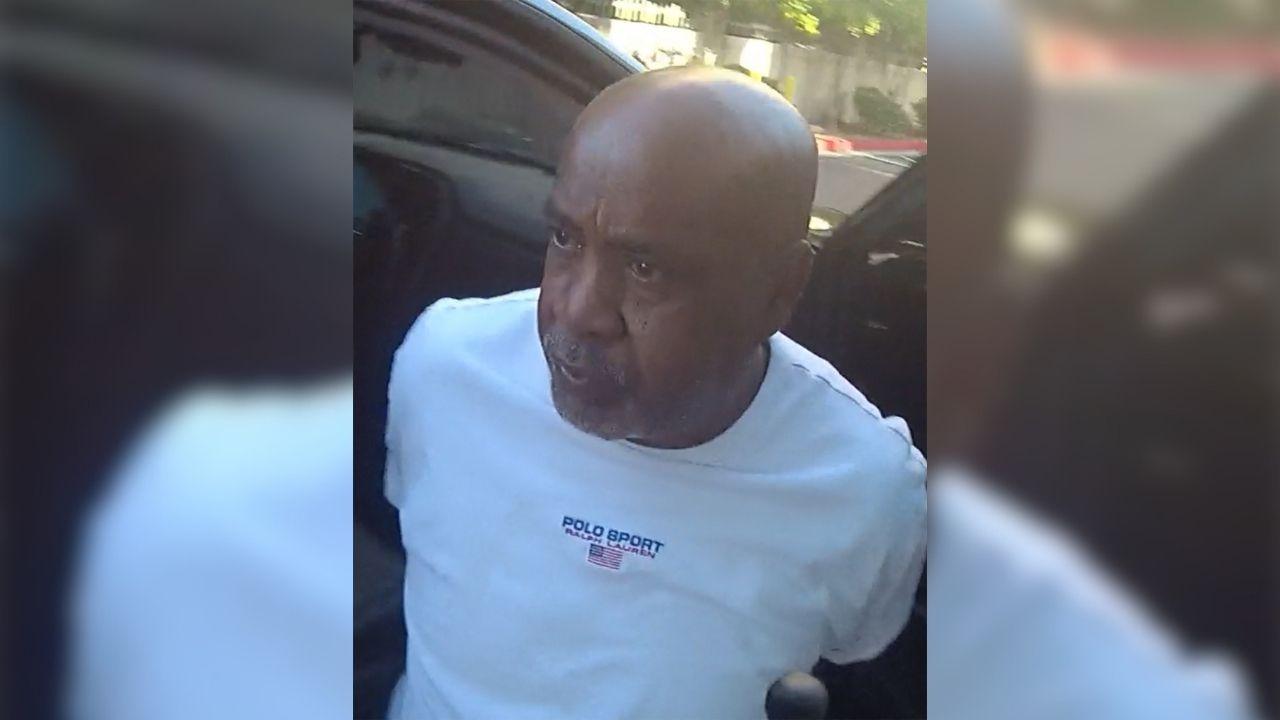
Duane ‘Keffe D’ Davis pleaded not guilty to the murder charge tied to the 1996 shooting.
Davis has pleaded not guilty. If convicted, he faces life in prison.
Shakur was shot on September 7, 1996, while riding in a car driven by former Death Row Records CEO Suge Knight. The rapper died six days later, and the case became one of the most enduring mysteries in music history.
The Trial Begins
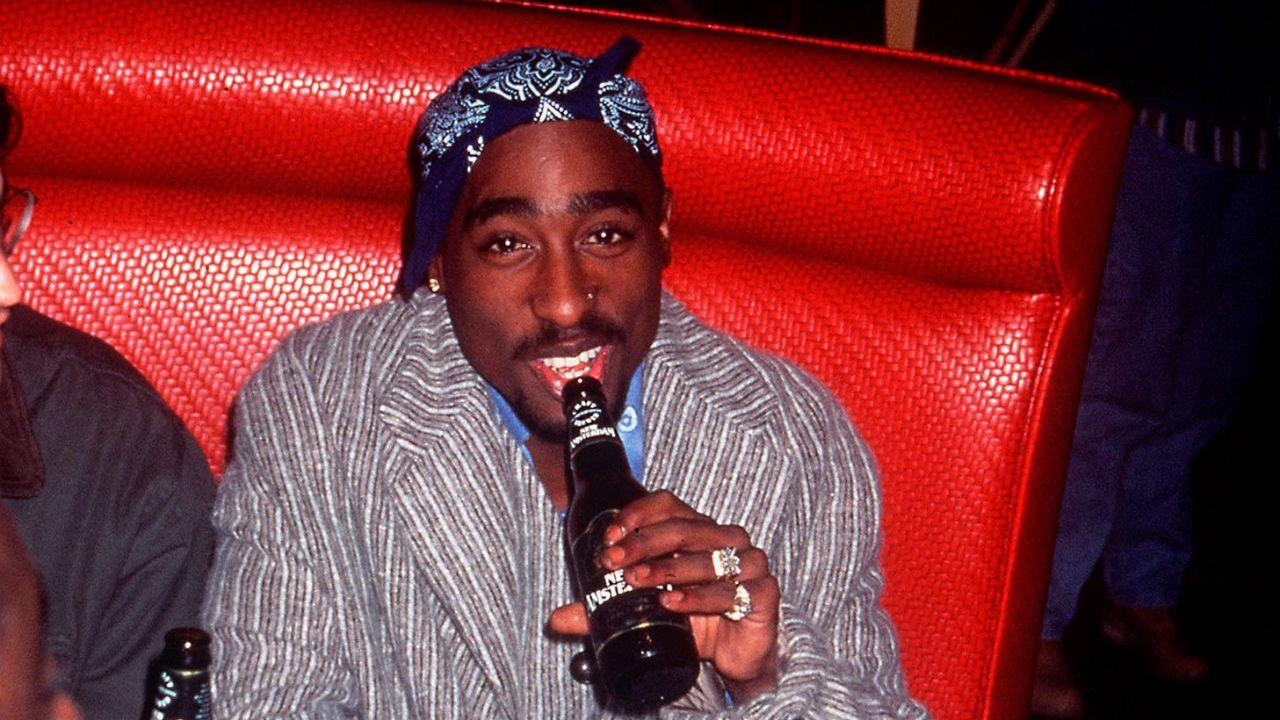
Prosecutors alleged Duane ‘Keffe D’ Davis helped orchestrate the attack and provided the weapon.
Davis, a self-admitted former South Side Compton Crips gang leader, is not accused of firing the gun. Prosecutors allege he provided the weapon and helped orchestrate the shooting.
His own past statements are expected to be central to the case. In his 2019 memoir Compton Street Legend, Davis said he provided the gun used in the shooting. He has since distanced himself from the book, with his legal team arguing that its claims were made to sell a product.
“We’re putting way too much credence and value and weight on statements that are made for entertainment purposes only,” Davis’ legal team said last month, according to The New York Times. “Not a confession to a priest, not a confession to a police officer, but rather to promote a book, to sell a product.”
- Sean 'Diddy' Combs Could Still Face Trial Over Tupac Murder If New Evidence Emerges, Clark County D.A. Says: 'We Can Always File Additional Charges'
- Keffe D Denies Role in Tupac Shakur's Murder Before Trial: 'I Wasn’t in Nevada'
- Suge Knight Claims Sean 'Diddy' Combs Was Involved in Orchestrating Tupac Shakur's Murder in Resurfaced 2024 Prison Interview
Want OK! each day? Sign up here!
What Jurors See First
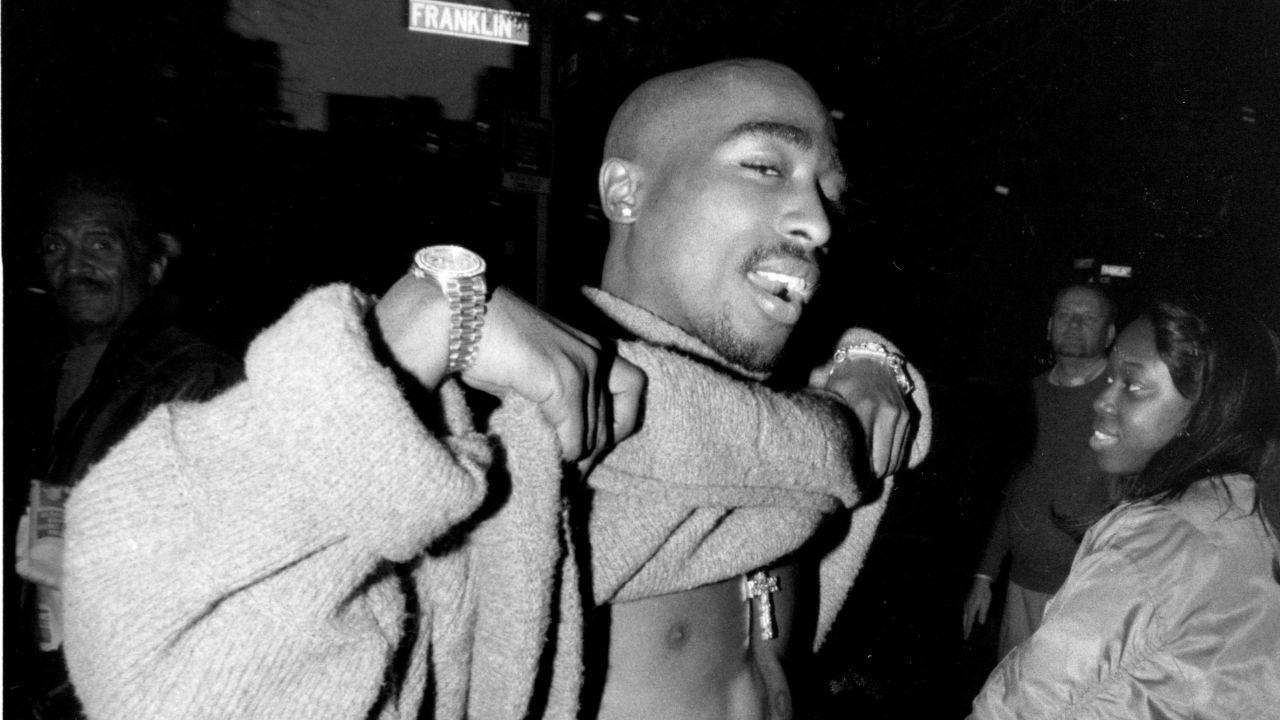
Legal experts said jurors would closely assess the credibility of witnesses and evidence.
“The first week of any high-profile murder trial is really about laying the foundation,” said Tarlika Nunez-Navarro, a former Miami-Dade County judge and criminal defense attorney who is not involved in the case.
“Jurors aren't deciding the case yet — they're deciding whether they trust the attorneys presenting it,” she explained. “Every witness, every objection, and every piece of evidence introduced during those first few days helps shape that impression.”
Nunez-Navarro said she’ll be watching “how confident each side appears with its evidence.”
She said prosecutors will likely focus on giving jurors a clear timeline and witnesses who “reinforce the credibility of the investigation,” while the defense seeks to raise questions early and challenge inconsistencies or gaps in evidence.
A 30-Year-Old Case
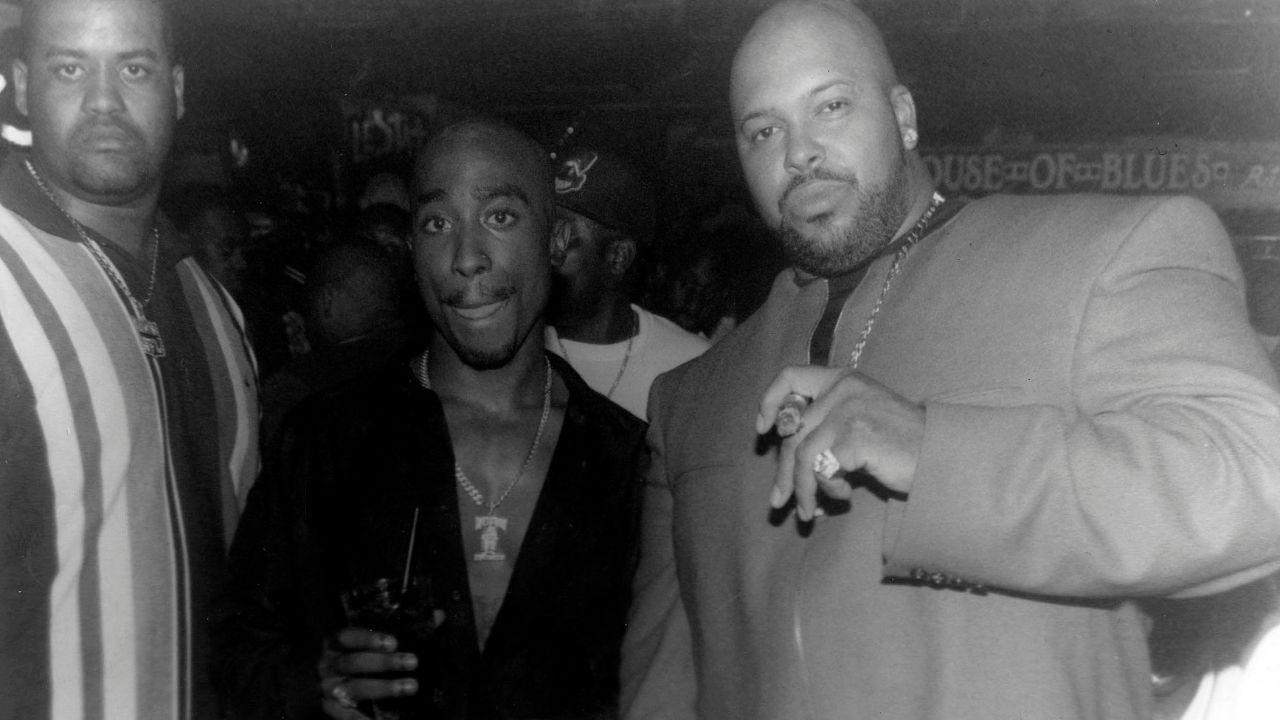
Former Death Row Records CEO Suge Knight is a key eyewitness in the case.
“In a case that's nearly 30 years old, time becomes part of the story,” Nunez-Navarro noted. “Memories fade, witnesses become unavailable, and physical evidence may no longer exist.”
Knight, a key eyewitness currently imprisoned in an unrelated manslaughter case, told ABC News he would not testify.
“I always tell people not to read too much into opening statements. They're roadmaps, not evidence,” Nunez-Navarro said. “The real test is whether each side can deliver on the promises they make to the jury over the course of the trial.”