
 ENTERTAINMENT
Why Stephen Colbert's 'Late Show' Ended: Ratings Decline, Politics or the Death of Late Night?

Insiders questioned the real reason for ‘The Late Show’ cancelation.

May 23 2026, Published 5:32 a.m. ET


The Late Show with Stephen Colbert is going out on top in the ratings, but not on the balance sheet, leaving fans and insiders debating whether its cancellation is about politics, profit, or something bigger reshaping television itself.
A Hit Show That Couldn’t Pay for Itself

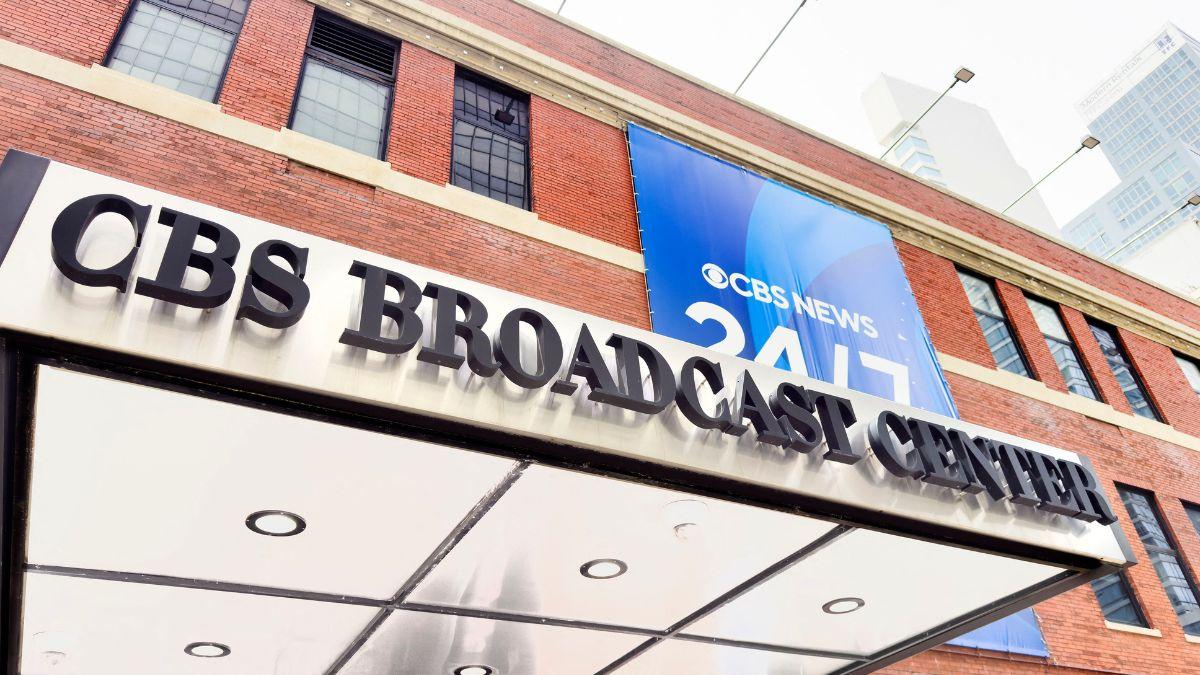
CBS cited financial losses behind the decision.
Despite leading late-night viewership, CBS pulled the plug on The Late Show, citing financial losses reportedly around $40 million annually.
But far from being unique in that regard, former media executive, Derek Reisfield, who in the 1990s served as VP of Business Development of CBS then President of CBS New Media, says the numbers behind late night have been deteriorating for years.
“The overall revenue for the late night network programs is now less than half of what it was less than 10 years ago. In the 2018 season total revenue was about $440 million. Today it is about $200 million,” he explained.
That drop is tied to a major shift in audience behavior, particularly among younger viewers.
“The audience has been eroding, and the younger audiences are departing more rapidly. That cuts away at the attractiveness of these shows for advertisers,” Reisfield added.
Even aggressive cost-cutting likely wouldn’t have saved the format.
“You can't cut your way to greatness,” he said, noting the show’s high production costs and large staff.
The Politics Question
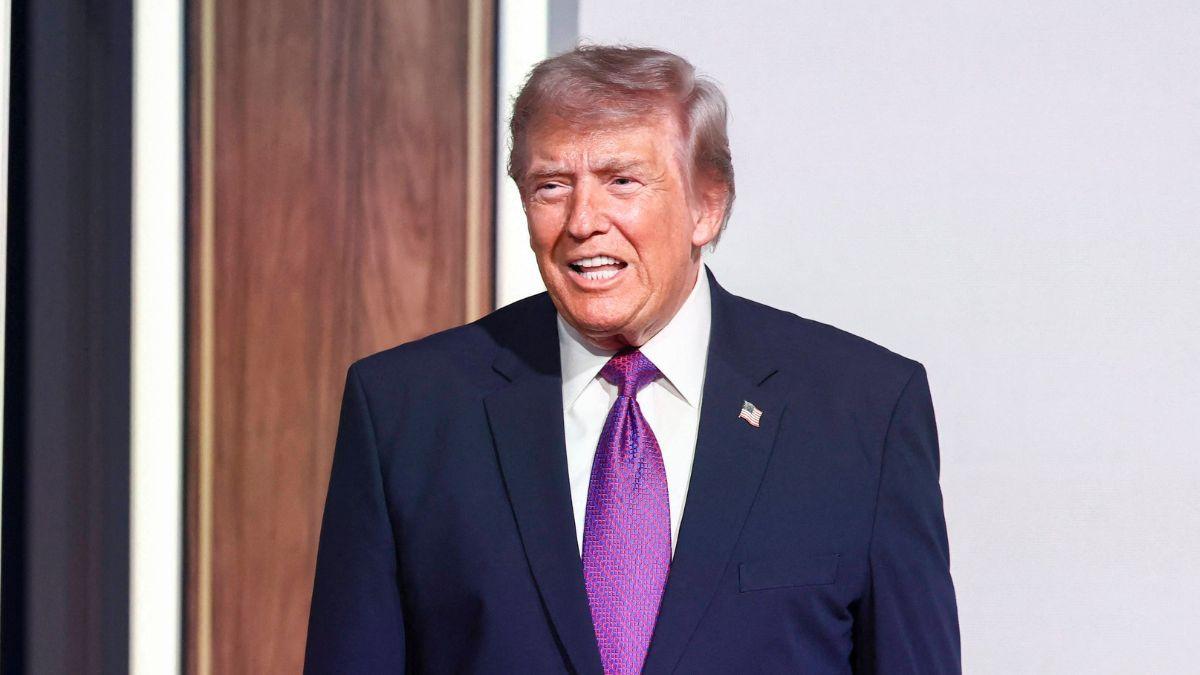
Political commentary reshaped late-night television.
The timing, and Colbert’s outspoken political tone, has fueled speculation that the cancellation isn’t purely financial.
Despite cutting his chops on the overtly political Daily Show and Colbert Report, his stint on The Late Show didn’t become politically driven until the 2016 election, when he pivoted toward more emotionally direct commentary, marking a turning point for the show’s tone.
That strategy helped boost ratings but also contributed to a broader shift in late-night comedy, where hosts increasingly cater to ideologically aligned audiences rather than a broad national viewership.
- 'Defeated' Jimmy Kimmel Admits His Late-Night Show Could Be Next After Stephen Colbert's Cancelation: 'Everything Is So Tumultuous'
- Jimmy Kimmel Inherits Late-Night's Anti-Trump Mantle After Stephen Colbert's CBS Exit
- What Show Will Replace 'The Late Show With Stephen Colbert' on CBS? Everything to Know So Far
Want OK! each day? Sign up here!
A Format Facing Extinction
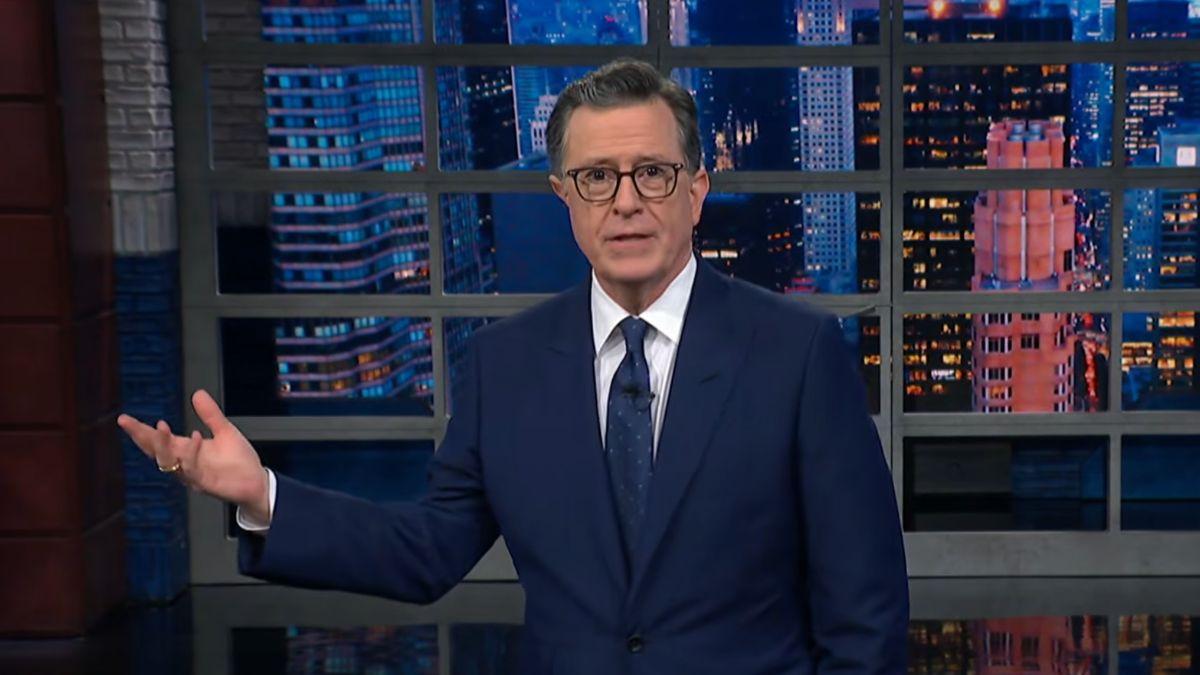
Audiences continued moving away from network television.
Beyond Colbert, the entire late-night ecosystem appears to be under pressure. Advertising dollars have plummeted and will likely continue to decline as brands chase younger audiences on digital platforms.
“It's sad. The late night shows have great production values and are one of the vestiges of quality linear broadcast network television,” Reisfield lamented.
“But audiences are moving away, and these network shows have a harder time justifying the expense as the world changes. It just doesn't make sense anymore.”
What Comes Next

Analysts warned the late-night format was fading.
“Jimmy Kimmel and Jimmy Fallon will get a bump,” Reisfield said of Colbert’s exit in the short term, “but they face similar trends.”
As audiences migrate to podcasts, social media clips, and streaming, the traditional late-night model is losing its central role in pop culture.