 ENTERTAINMENT
'The House Is on Fire Right Now': Why 'The Social Reckoning' and Its Meta Warning Could Succeed Where Congress Hasn’t

Aaron Sorkin’s ‘The Social Reckoning’ examined Meta’s influence as Nick Standlea questioned tech lobbying.

Oct. 17 2026, Published 8:51 a.m. ET


Sixteen years after The Social Network dramatized Facebook’s creation, Aaron Sorkin has returned with a warning about what it became.
The Social Reckoning follows whistleblower Frances Haugen (Mikey Madison) as she gives internal Facebook documents to Wall Street Journal reporter Jeff Horwitz (Jeremy Allen White), revealing the company understood how its platforms could cause harm.
Aaron Sorkin’s View of Mark Zuckerberg Has Darkened

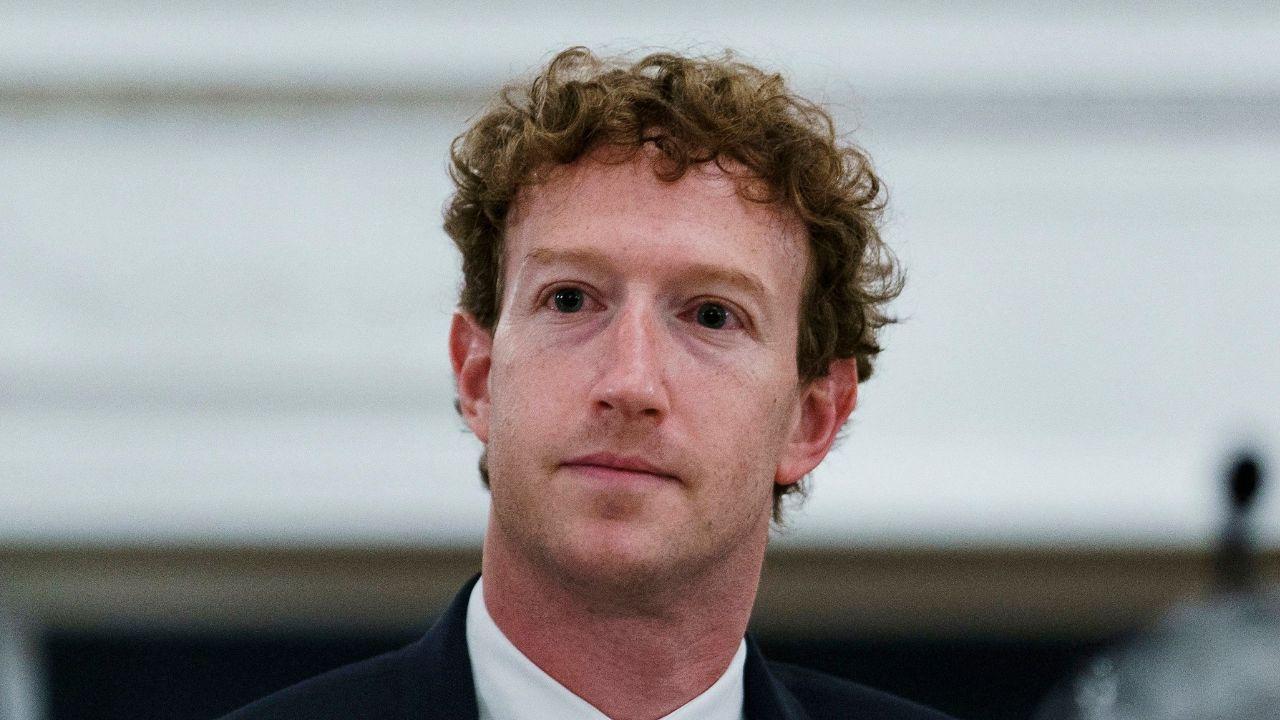
Jeremy Strong portrayed Meta CEO Mark Zuckerberg, whose role in the film reflected Aaron Sorkin’s increasingly critical view of the company’s leadership.
Sorkin once viewed Mark Zuckerberg as a relatable kid. Jeremy Strong’s Zuckerberg is now merely a supporting character defined by his refusal to sacrifice engagement for a healthier platform.
"Until the owners of internet platforms are legally responsible the way the rest of us are, then there won't be a change," Sorkin told USA Today. "Things will stay this bad. Things will get worse. The house is on fire right now."
Can a Movie Break Through?
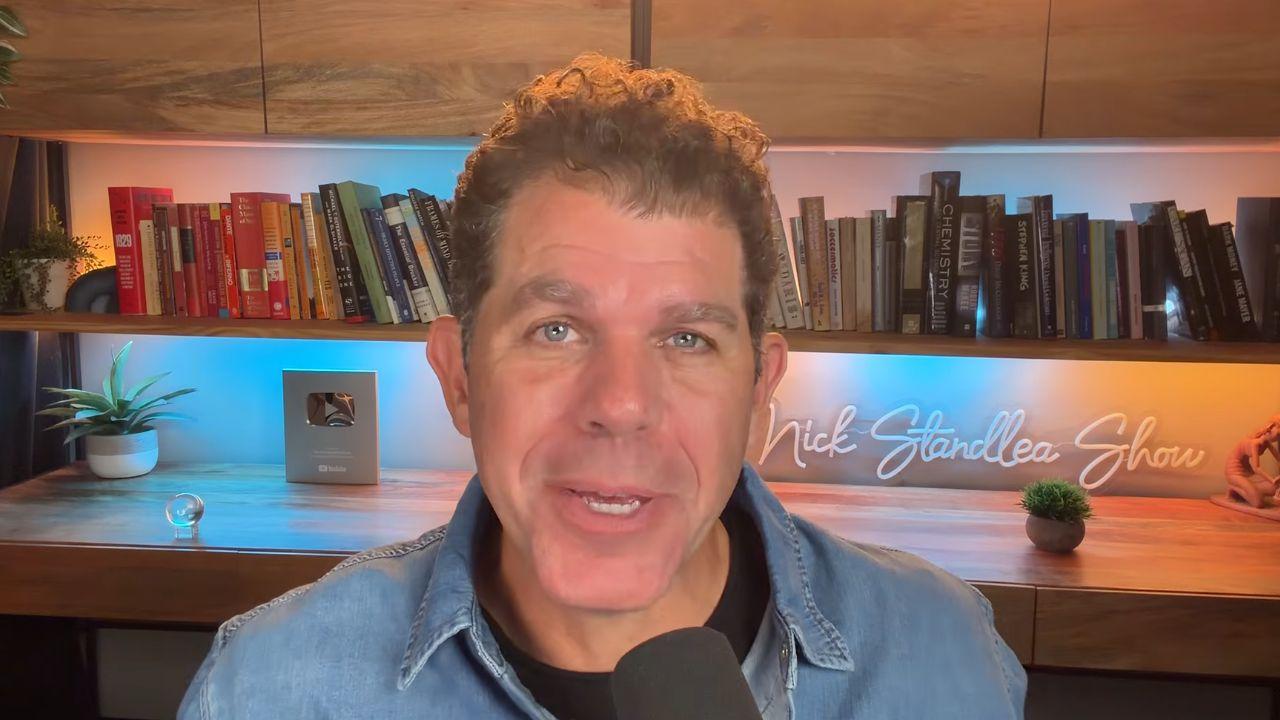
Nick Standlea, host of ‘The Nick Standlea Show,’ argued that films could encourage public debate about social media companies and their effects on children.
Nick Standlea, host of “The Nick Standlea Show” podcast, has covered social media’s effects on children and the prospects for regulation.
“A dramatized warning can still move public debate,” Standlea said. “Right now, art is one of the few forces that can.”
- Mark Zuckerberg Says He's Sick of Everything He Says Being 'Leaked' in All-Hands Meeting: 'It Sucks'
- Leonardo DiCaprio Meme at Center of COVID Censorship Crisis as Mark Zuckerberg Claims Biden Administration Yelled at Meta Team to Take It Down
- Bill Burr Says He Won't Sit Down With Mark Zuckerberg Because Then He 'Can't Make Fun' of Him: 'Nothing's Free'
Want OK! each day? Sign up here!
Lobbying Power Raises the Stakes
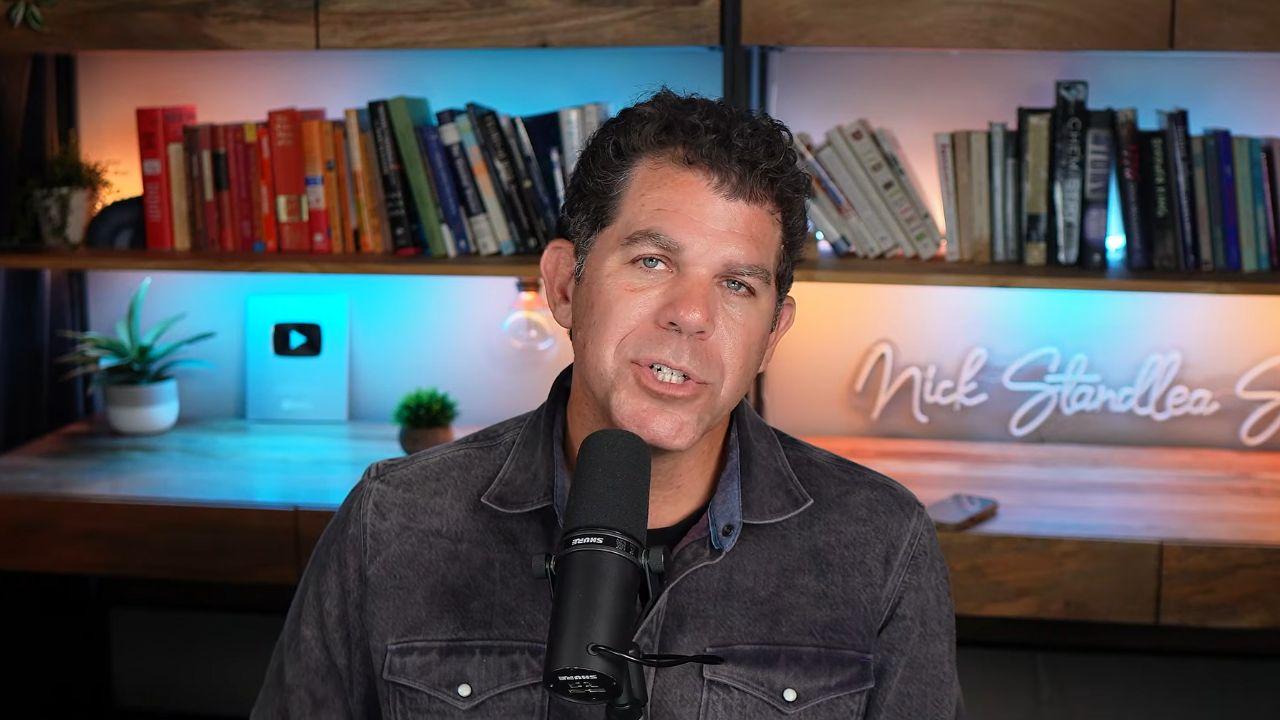
Nick Standlea cited figures showing that Meta spent $13.07 million lobbying the federal government during the first half of 2026.
“Consider the scale of what we are up against,” Standlea said.
“Meta alone spent $13.07 million lobbying the federal government in the first half of 2026,” he said, citing OpenSecrets figures that have since risen, following a record $26.29 million in 2025.
He also pointed to an Issue One review of federal lobbying reports that found 11 of the largest tech, social media and AI companies spent a combined $41.8 million in the first half of 2026, more than $230,000 a day.
“The six biggest paid for 324 lobbyists in the second quarter alone, roughly one lobbyist for every 1.5 members of Congress,” Standlea explained.
“In June, Reuters reported that Meta was lobbying Congress for a liability shield to be written into the Kids Online Safety Act to protect them from lawsuits over child harm tied to its platforms,” Standlea noted. “Meanwhile, Meta fights more than 2,000 lawsuits alleging its platforms harmed children. It lost the first one to go to trial this year.”
Lawmakers Follow the Money
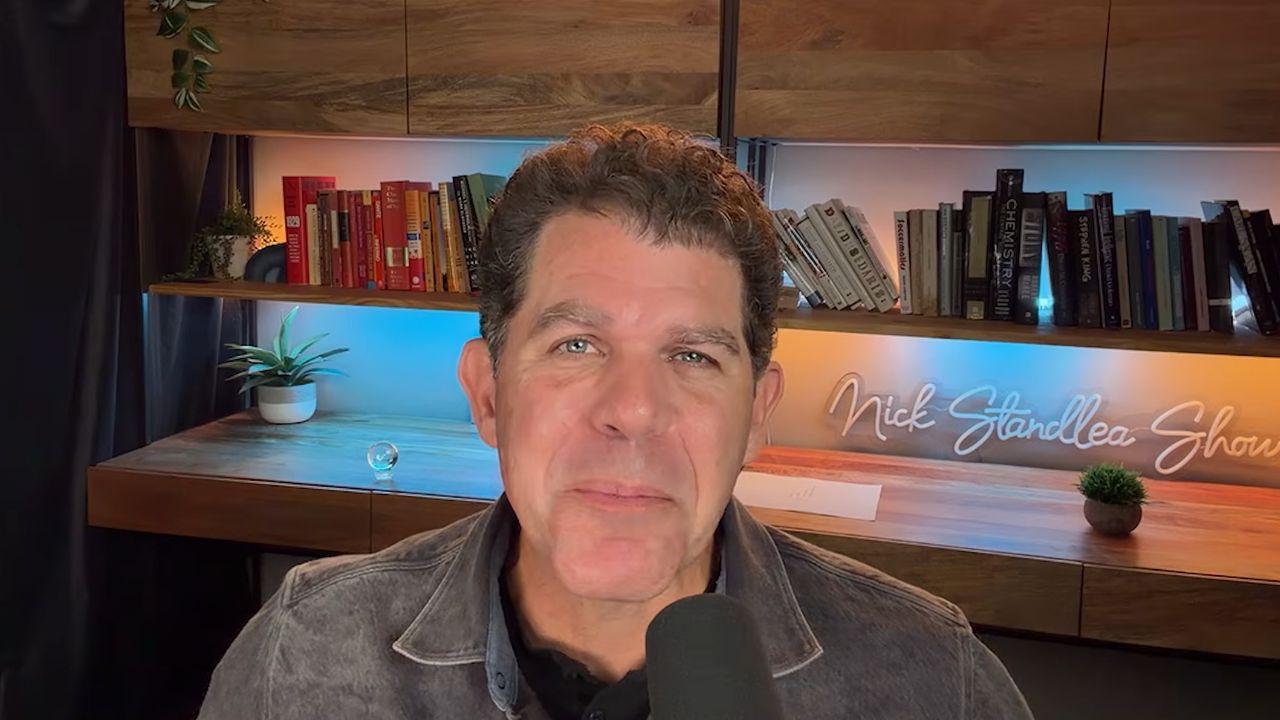
Nick Standlea pointed to Meta’s reported efforts to secure legal protections under the proposed Kids Online Safety Act amid lawsuits alleging harm to children.
“Let's be honest about how this works,” Standlea said. “Lawmakers are loath to regulate companies that help fund their reelections, and pushing back risks those same tech firms backing a challenger. Exposing the truth has to come from somewhere else, like a film.”
Standlea pointed out that mixed reviews don’t necessarily indicate impact.
“Films rarely change opinion by being well-reviewed. They change it by being provocative,” he said. “When the money is this big, and Congress is quiet, a movie might be the only way to kick off a public conversation.”