
 NEWS
NEWSBen Folds Says Donald Trump’s Kennedy Center Takeover Made Him Fear Retribution Against Artists

Ben Folds explained why he resigned from the National Symphony Orchestra.

July 26 2026, Published 6:00 a.m. ET


Ben Folds is speaking out about why he left his role with the National Symphony Orchestra, saying President Donald Trump’s takeover of the Kennedy Center created an environment where artists could be exposed to political retaliation.
Folds, who served as the first artistic adviser to the National Symphony Orchestra, made the comments during a July 21 congressional forum convened by Sen. Richard Blumenthal (D-Conn.) and Rep. Robert Garcia (D-Calif.). The forum focused on Trump’s handling of major U.S. landmarks, including the Kennedy Center, the White House East Wing and the Lincoln Memorial Reflecting Pool.
Why Folds Resigned

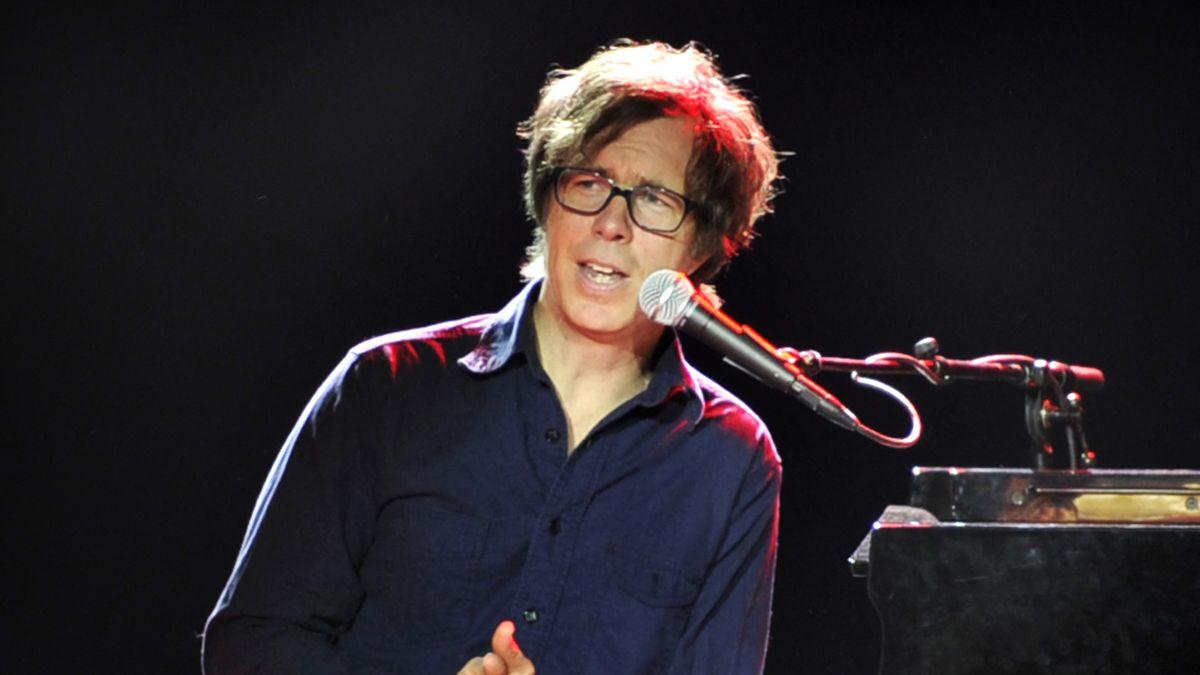
He said artists faced political risks at the Kennedy Center.
Folds said he had been brought in to help curate programming and connect artists including Jon Batiste and Sara Bareilles with the orchestra. But after Trump installed his own board members and named himself chair, Folds said the job changed.
“With the new partisan toxic environment under the current administration, I could not trust that artists I booked at the Kennedy Center would be safe from retribution if they said or sung something that might displease the president or his political lackeys who now controlled the Center,” Folds said. “I could not perform my job or the mission I was brought on to do, and for this reason, with great sadness, I had no choice but to resign.”
The Politics of Performing
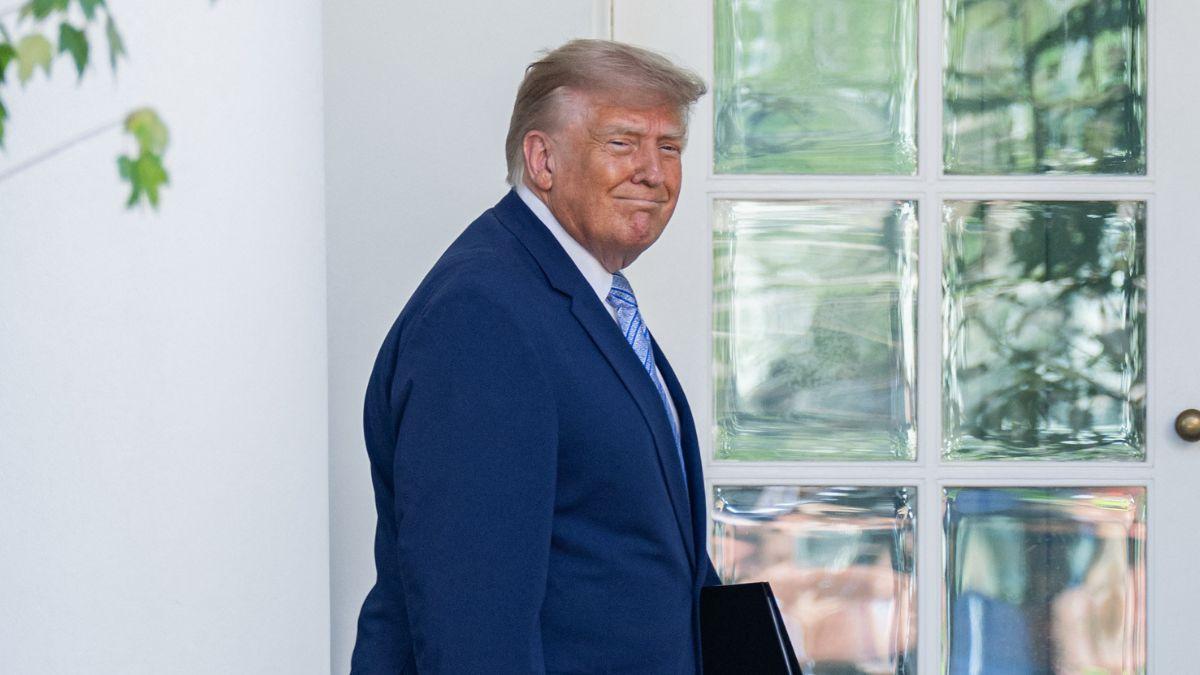
He criticized the changing atmosphere following Donald Trump’s leadership changes.
Folds said the Kennedy Center’s new political association has made even the decision to perform there feel loaded.
“These days, if an artist agrees to perform at the Kennedy Center, they risk being seen as explicitly endorsing the Trump administration and all of its policies,” he said. “Declining an invitation to perform at the Kennedy Center will have an equal and opposite political effect.”
Want OK! each day? Sign up here!
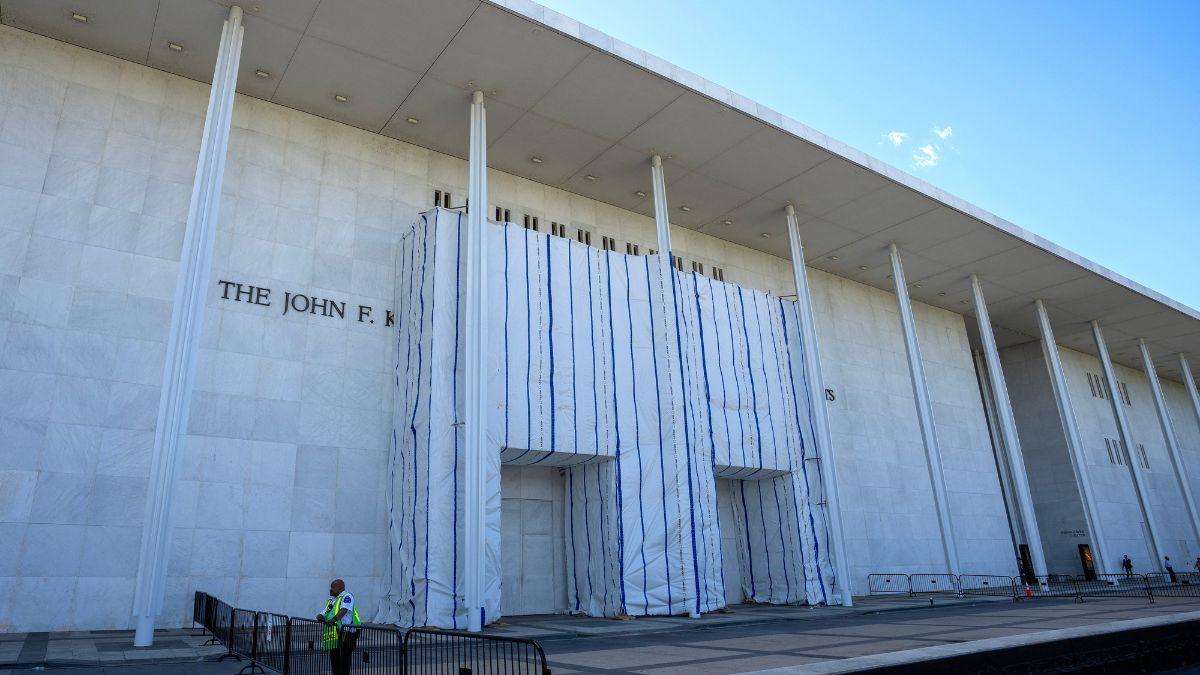
An expert said political polarization affected cultural institutions.
Costas Panagopoulos, professor of political science at Northeastern University, said that tension reflects a broader cultural shift.
“As our society has become more polarized and politicized, even historically nonpartisan institutions can reflect partisan elements,” Panagopoulos said.
“Anyone associated with these would need to think twice about how these connections are perceived and how it could affect their reputations and appeal,” he added. “No one is immune to partisan consumerism considerations these days.”
An Uncertain Future

Ben Folds said that politicizing art carried lasting consequences.
Trump has said the Kennedy Center needed intervention because of financial problems, but Folds disputed that picture, saying his programs had sold out and that the institution had been in strong shape.
A judge ruled in May that the renaming of the Kennedy Center was unlawful and ordered Trump’s name removed from the building, while also temporarily halting a planned two-year closure.
Folds said the damage has already been felt, citing “dwindling audiences,” the Washington National Opera’s exit, the dismantling of national public education outreach programs and low morale inside the National Symphony Orchestra.
“I think most of us understand that when you politicize art, you get propaganda,” he said.