
 NEWS
NEWSCBS Evening News Cameraman OK After Medical Emergency Halts Broadcast

Tony Dokoupil halted ‘CBS Evening News’ live following a crew’s medical emergency.

May 18 2026, Updated 11:00 a.m. ET


A routine live broadcast of CBS Evening News took an unexpected turn when a medical emergency unfolded behind the camera, forcing anchor Tony Dokoupil to abruptly stop the show.
Near the end of the broadcast from Taipei, Taiwan, Dokoupil paused mid-sentence and asked, “Is he OK? We’re going to take a quick break. We have a medical emergency here.” Moments later, the program cut away, with Matt Gutman picking up the closing segment from New York.
CBS later confirmed that the cameraman involved is “OK and recovering.”
The Moment That Broke the Broadcast

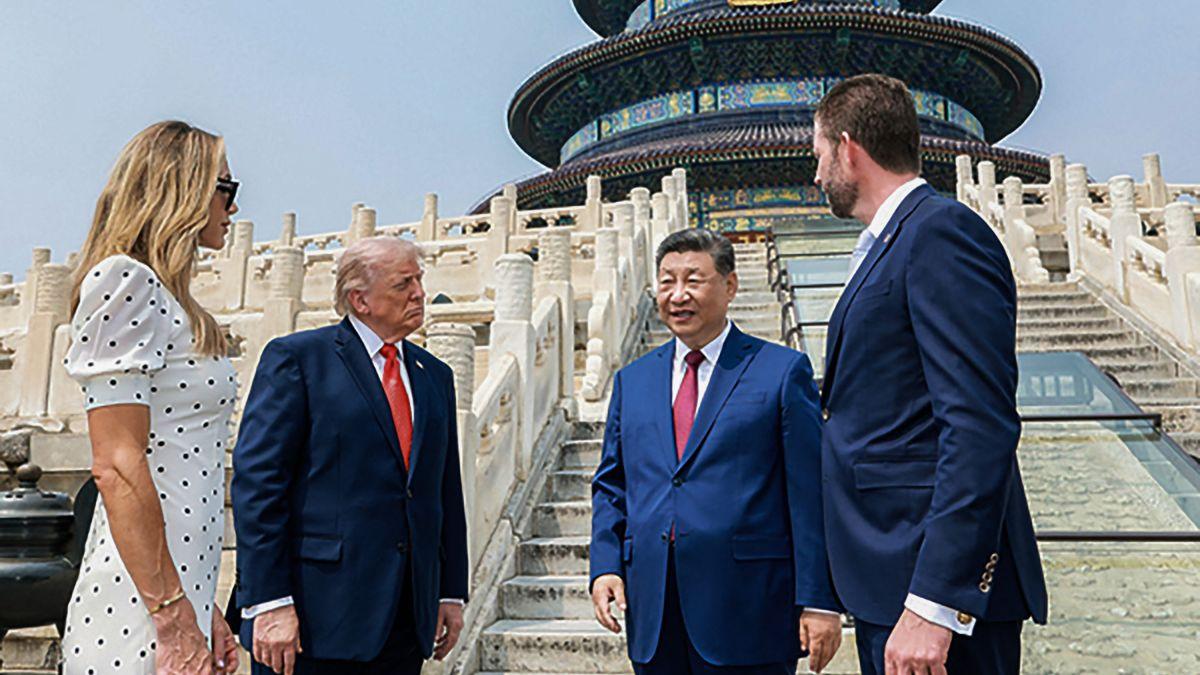
The Taiwan broadcast abruptly cut to break.
The incident occurred during a high-profile international broadcast, with Dokoupil reporting from Taiwan as part of coverage surrounding President Donald Trump’s summit with Chinese President Xi Jinping.
Off camera, Dokoupil could be heard saying, “We’re calling a doctor,” before the network transitioned smoothly to its backup anchor. The quick handoff, which prevented dead air and kept the broadcast moving, may have looked improvised but was anything but.
What Happens Behind the Scenes
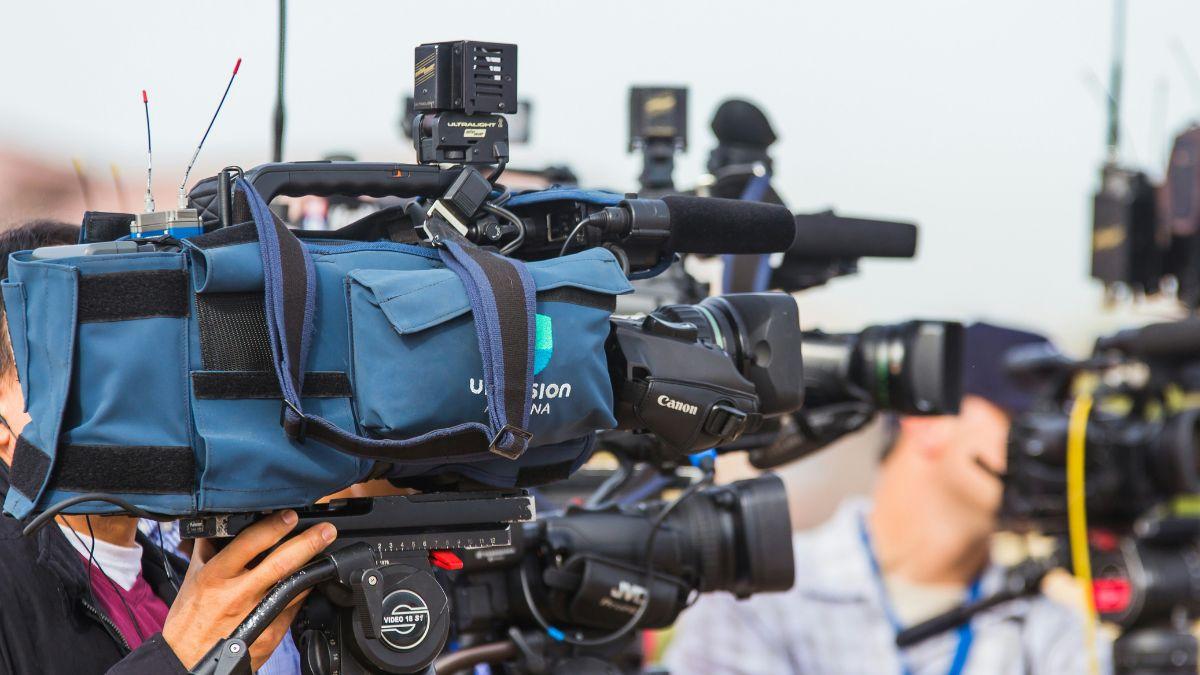
CBS said the cameraman was recovering.
According to Dr. Zaid Fadul, a U.S. Air Force Flight Surgeon and founder and CEO of Bespoke Concierge MD, what viewers saw was only a fraction of the response already underway.
“Most major broadcasts follow protocols that look a lot like what you'd see in any high-stakes operational setting,” Fadul explained. That includes having a designated medic on call, pre-planned emergency procedures, especially in international settings, and the ability to immediately cut away or hand off to another anchor.
“The chaos you see on screen is usually just the tip of a very rehearsed iceberg,” Fadul said.
On professional sets, basic life support equipment like AEDs and oxygen are typically within reach.
“A producer or floor manager is typically the ‘incident commander,’ meaning one person owns communication so the medical responders, the anchor, and the control room aren't talking over each other,” he noted.
Safety First, Broadcast Second
- Police Dashcam Reveals Dramatic Footage Of Wrong Way Driver Speeding Towards Cop In 'On Patrol: Live'
- Donald Trump Warned His Feud Against the Press Could Become 'History’s Most Foolish Constitutional Crisis' Amid New Lawsuit: Report
- Sonequa Martin-Green Hints at Role for Jenny McCarthy in 'Boston Blue'
Want OK! each day? Sign up here!
Experts praised the emergency response protocols.
“Safety first,” Fadul said, noting that the nearest crew member typically renders aid while others alert medical personnel. “Continuity second,” meaning producers quickly decide whether to cut to commercial or switch anchors. “Communication third,” ensuring viewers understand what’s happening without exposing the individual involved.
Dokoupil’s response followed that exact playbook.
“He stopped, acknowledged the emergency, called for help, and handed off the broadcast cleanly,” Fadul said.
Why These Incidents Happen
“Camera operators stand for hours under hot lights, often carrying 30 to 50 pounds of gear,” Fadul explained, adding that international assignments can introduce additional stressors like jet lag, dehydration, and unfamiliar environments.
Those factors can increase the risk of fainting or other medical issues, particularly during long, high-pressure shoots.
What Viewers Don’t See
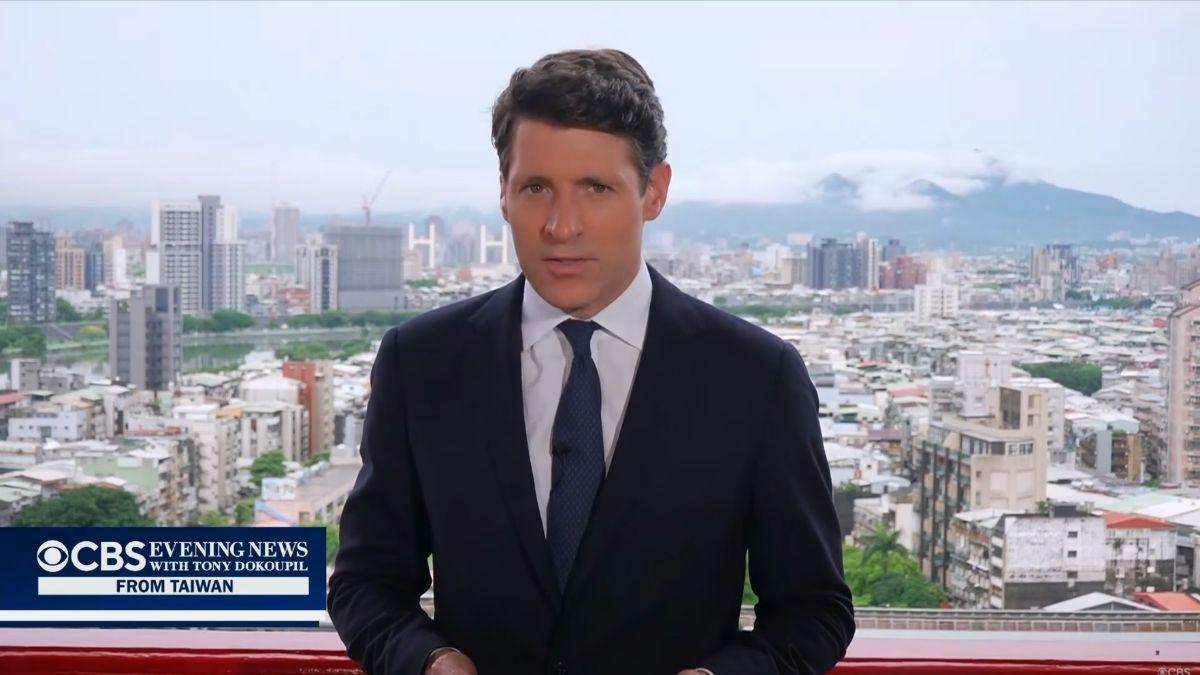
The incident exposed behind-the-scenes broadcast risks.
“Networks rehearse emergency hand-offs the same way airlines rehearse engine failures,” Fadul said, adding that in many cases, “good productions” also do a debrief afterward to check on the team’s mental health before the next segment or show.
“The big takeaway for viewers,” he added, is that “what looked like a chaotic 15 seconds was actually a well-drilled response that almost certainly contributed to that cameraman walking out OK.”