 Politics
Donald Trump Slams Leakers, Says 'They Should Be Shot' While Criticizing Journalists Over Spreading 'False Information'

Donald Trump lashed out at government leakers, saying they 'should be shot' while accusing journalists of spreading false information during an Arizona rally.
Oct. 15 2026, Updated 4:30 p.m. ET


President Donald Trump issued a violent threat against government leakers during a recent Arizona campaign rally, saying that people who reveal sensitive military information should face physical consequences.
The president made the startling remarks Wednesday, October 14, in Bullhead City, where he vented about journalists and those in his administration who are allegedly giving them information.
The crowd reacted positively to the president’s threats, erupting in cheers and applause as he went on his tirade against the media.
President Trump went after leakers during a rally speech.

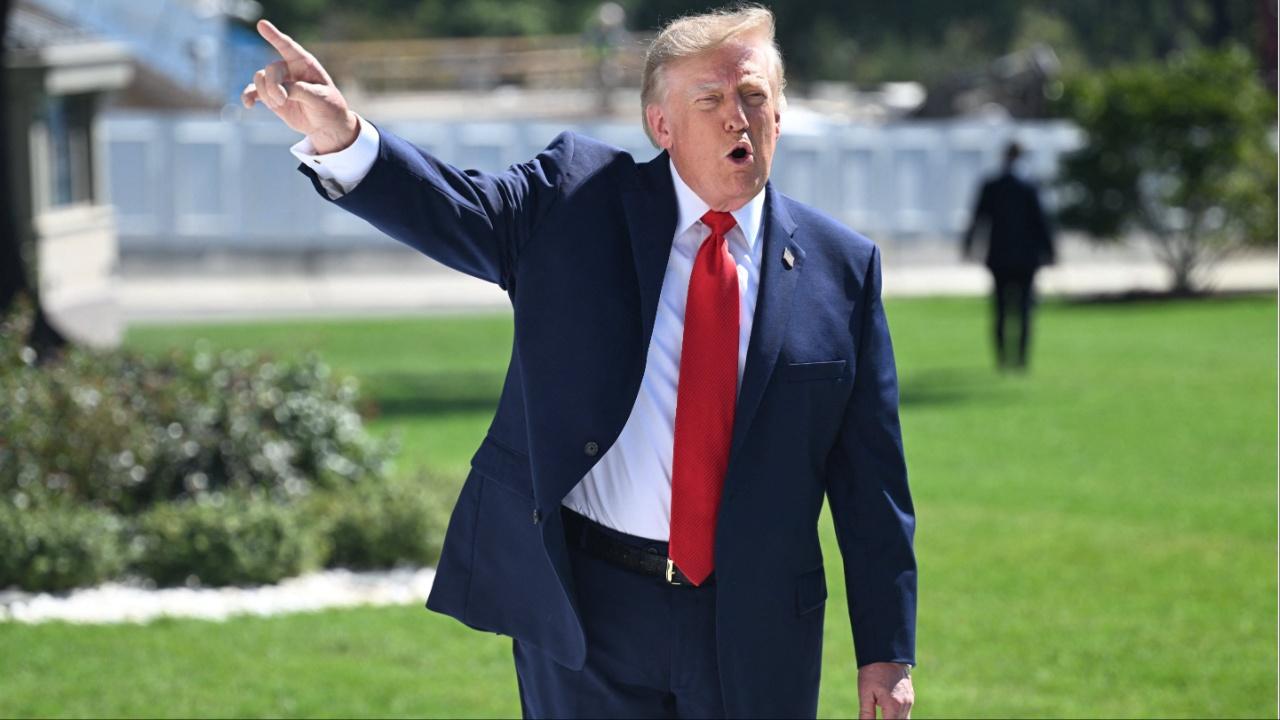
President Trump called for federal leakers to be shot.
Trump told supporters that he believes “leakers should be shot,” arguing that unauthorized disclosures put military personnel and their operations at risk.
"In the old days, we used to shoot leakers," he added before branding those responsible “the scum of the earth.”
The president complained that details of a planned military departure involving B-2 Spirit bombers from Missouri, including the departure time, had reached news organizations before the operation began.
Per the Daily Beast, he appeared to be referring to Operation Midnight Hammer, the June 2025 strikes against Iran's nuclear facilities. However, he did not specify the incident.
Trump Claims Journalists Are Also Leakers
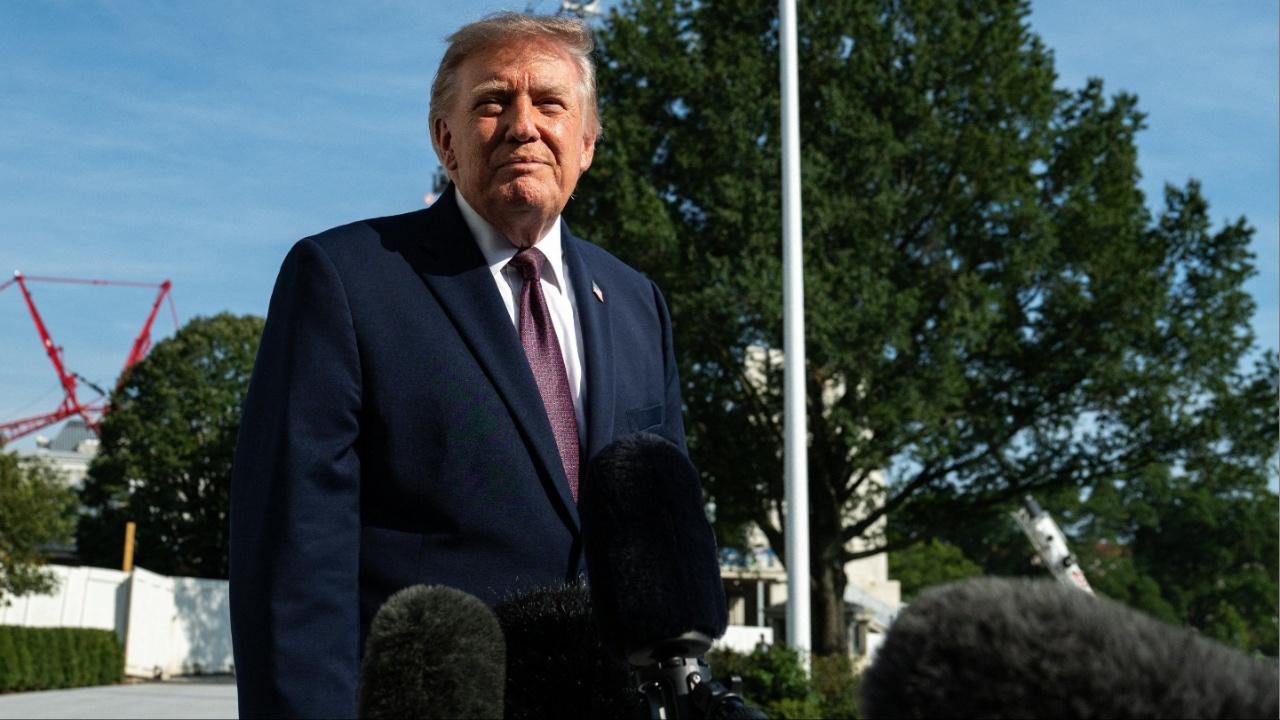
President Trump issueed thinly-veiled threat to journalists.
After taking aim at government leakers, he went on to his favorite target: journalists who report stories that he doesn’t view favorably.
“Oh, they leak false information. That makes them a leaker, right?” he asked the crowd, targeting unfavorable stories, which he often refers to as "fake news," claiming its as another form of leaking.
He made the remarks during a campaign appearance supporting Republican gubernatorial candidate Andy Biggs, but he devoted part of his speech to his grievances with the press.
Want OK! each day? Sign up here!
The Administration Accidentally Leaked a Group Chat
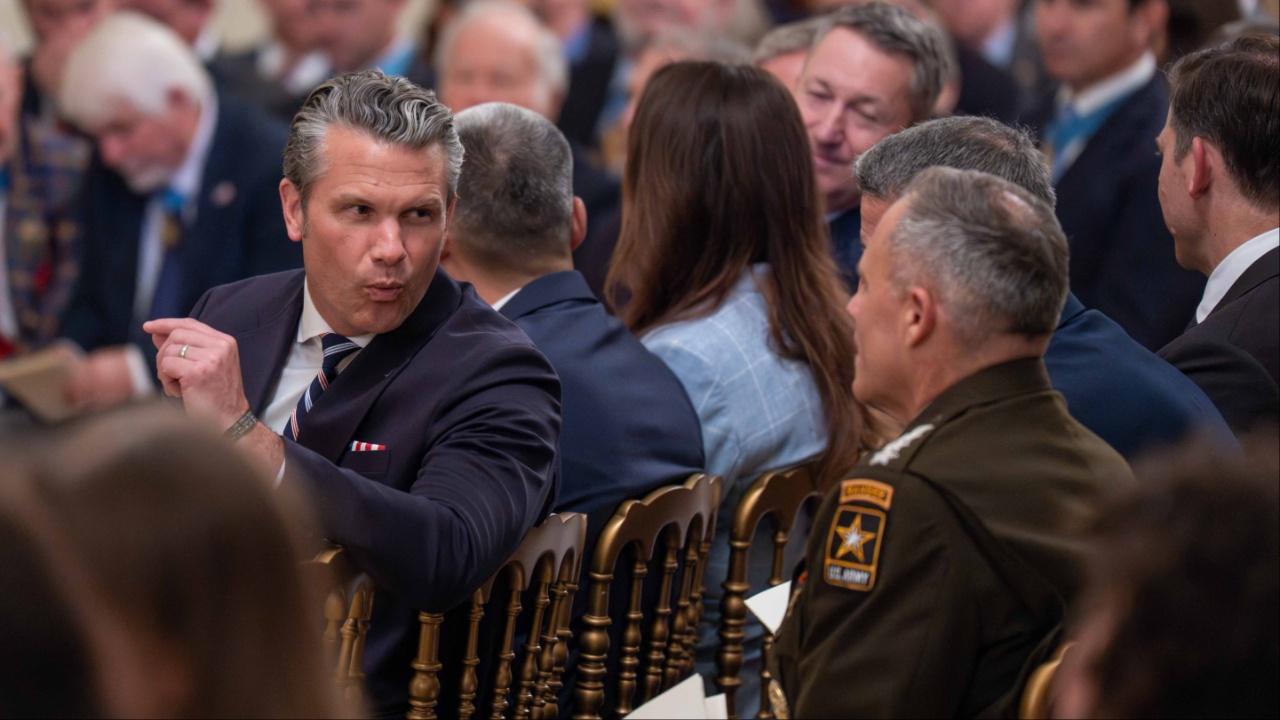
Hegseth was at the center of an information scandal.
In one of the early embarrassing moments of the Trump administration, a Signal chat was leaked to a journalist, exposing sensitive military information.
The Atlantic's editor-in-chief, Jeffrey Goldberg, was accidentally added to a conversation in which top White House officials discussed plans to strike Yemen.
Defense Secretary Pete Hegseth shared details of when strikes were set to occur in the chat. He denied improperly sharing war plans after the messages were published, revealing operational details.
Then-national security adviser Mike Waltz, who added Goldberg, and his deputy, Alex Wong, later stepped down.
The scandal is symbolic of the chaotic nature of White House communications and how easily sensitive military information could get into the wrong hands.
Trump Has Gone to Great Lengths to Expose Leakers
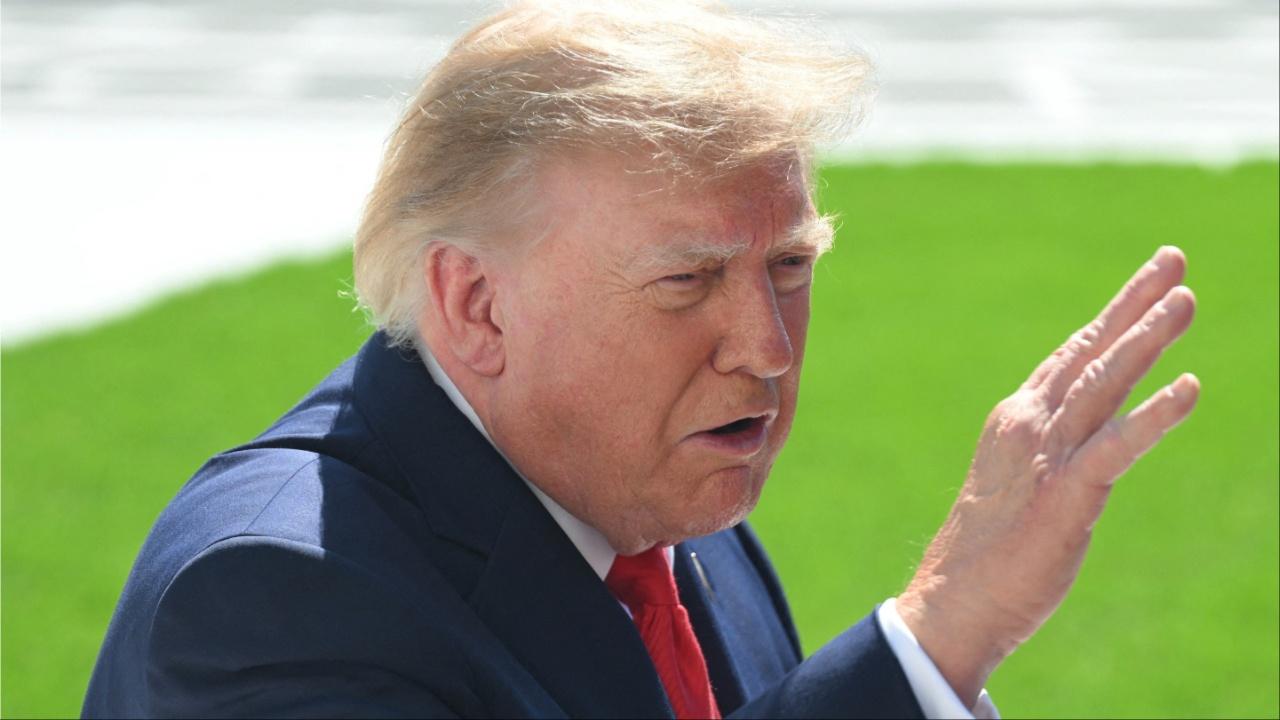
The Trump admin has cracked down on leakers.
In the FBI and Pentagon, they have gone to great lengths to find leakers within their ranks, using investigations, polygraph tests, and proposed nondisclosure agreements for federal workers.
In January, FBI agents searched the home of Washington Post reporter Hannah Natanson, seizing electronic devices. However, a judge later restricted investigators' access to the material they took.
This week, a federal judge extended an order protecting CNN, MS NOW, and Politico reporters from Trump's attempted White House access ban, due to their constitutional rights; however, the Trump admin had previously defied the court order when they banned the journalists from those networks from covering Air Force One press pool duties.